Qatar's Ras Laffan Gas Plant Explosion: 54 Injured, 18 Missing at the World's Most Critical LNG Hub
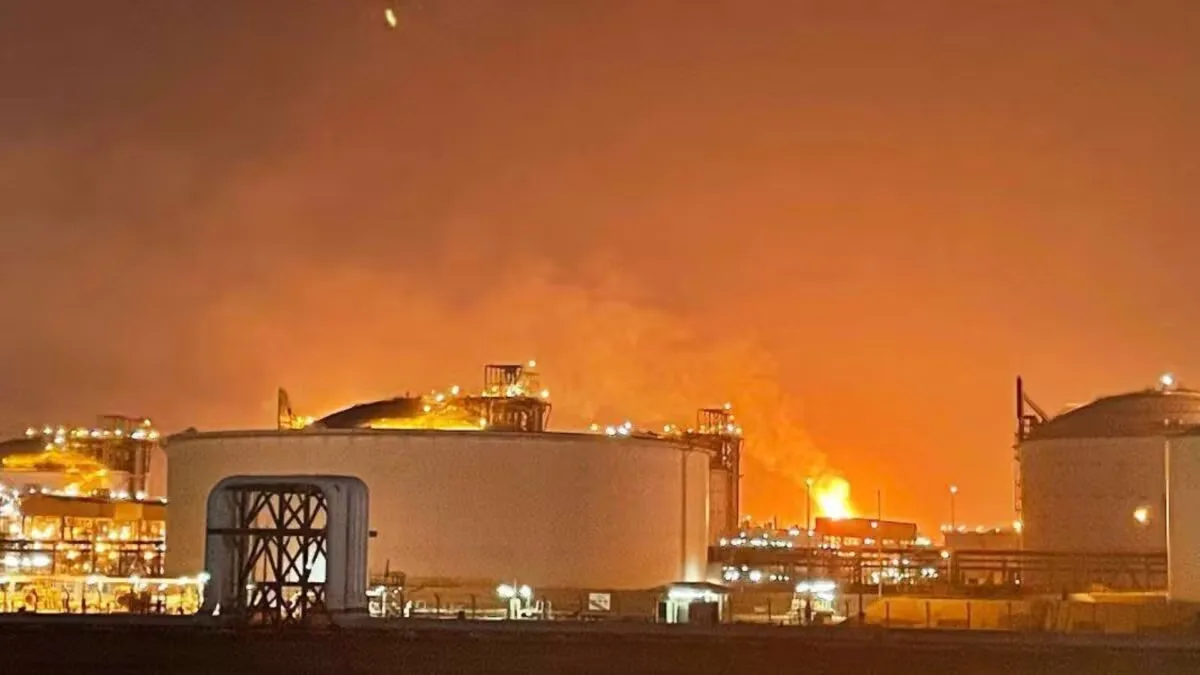
A loud boom was heard in Doha before anyone knew what had happened. That detail, reported by a Reuters witness on the ground, tells you something about the force of what struck the Ras Laffan Industrial City on the evening of June 21, 2026. The sound traveled more than 80 kilometres south to the capital before the official statements even began.
The Ras Laffan explosion occurred at the Barzan gas supply facility, one of the anchor installations inside an industrial zone that produces a significant share of the world's liquefied natural gas. At least 54 people were injured. Eighteen others were still missing hours after the blast. Emergency response teams had brought the fire under control, but search operations for the missing were underway, led by the Qatari International Search and Rescue Group in cooperation with civil defence units.
Why an Explosion in Qatar Matters to the Rest of the World
Ras Laffan is not a peripheral industrial site. It is one of the most strategically important energy complexes on the planet. Qatar is among the world's top LNG producers, alongside the United States, Australia, and Russia. What happens inside those processing facilities in northern Qatar directly influences energy prices from Europe to East Asia.
The timing of this explosion adds a layer that cannot be ignored. Qatar had already halted LNG production on March 2 following Iranian drone strikes that hit key facilities during the broader regional conflict involving the US, Israel, and Iran. Further damage reported on March 18 was expected to reduce LNG export capacity by approximately 17 per cent, with full repairs projected to take three to five years, according to Qatar's Energy Minister Saad Al-Kaabi.
This June 21 explosion occurred precisely because Qatar was trying to restart. Workers were in the process of resuming operations at the export terminal after Iran loosened its grip on the Strait of Hormuz as part of ongoing ceasefire negotiations. That restart, during which technical teams were attempting to bring systems back online, is what triggered the blast at the Barzan facility.
Read More: YRF Spy Universe Just Changed Forever: Inside the Alpha Film Teaser with Alia Bhatt and Bobby Deol
What Is the Barzan Plant and What Does It Do
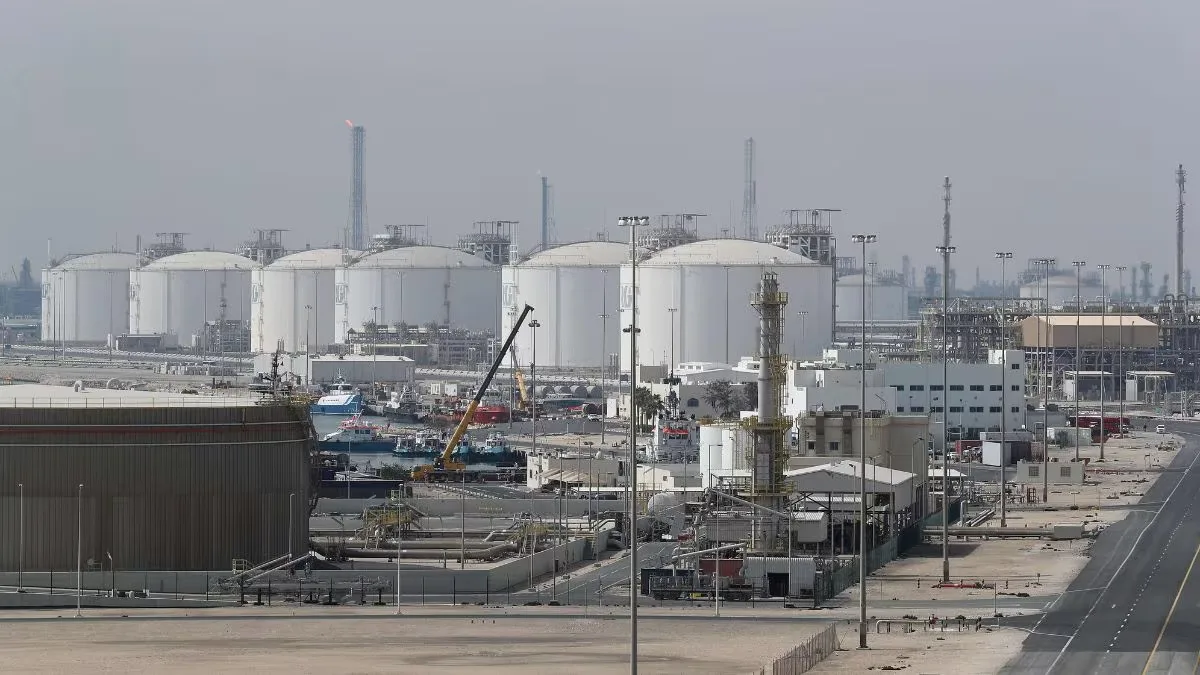
The Barzan gas supply facility is a major component of Qatar's domestic gas infrastructure, with a production capacity of nearly 1.4 billion standard cubic feet of sales gas per day. Its output primarily serves Qatar's internal electricity generation and its desalination plants, which supply drinking water across the country. The facility is jointly operated by QatarEnergy and international partners, including a minority stake held by ExxonMobil, which had not issued a detailed public response at the time of reporting.
In simple terms, Barzan is the plant that keeps Qatar running internally. It is separate from the massive LNG export terminals that serve international buyers, though it sits within the same sprawling Ras Laffan complex. A disruption there affects domestic supply chains before it affects international shipments.
What the Authorities Have Said
QatarEnergy confirmed the incident in an official statement, describing it as an operational incident during the start-up of operations that resulted in an explosion and fire. The company said emergency response teams were immediately deployed and that the fire had since been brought under control.
Qatar's Ministry of Interior, in a series of updated statements, described the blast as a technical accident and later as resulting from a technical malfunction during operations.
The ministry confirmed casualties but emphasised that no leaks posing a threat to public safety were detected. The Qatari International Search and Rescue Group was actively looking for the 18 missing individuals as of the latest reports.
The Global Energy Context
The Ras Laffan complex had already been under significant strain. Iranian missile strikes earlier in the year caused damage that forced partial shutdowns, and the broader disruption to the global LNG supply chain had already rattled energy markets. Any prolonged disruption at a facility of this scale carries implications for European nations still rebuilding their energy security, as well as Asian buyers who depend heavily on Qatari gas contracts.
The full extent of structural damage from the June 21 blast remained unclear as investigations continued. Officials maintained that it was an internal technical issue with no external leak risk. But with 18 people still unaccounted for and a facility of this strategic weight now the subject of another emergency, the questions being asked inside energy trading floors and foreign ministries are a great deal sharper than any official statement has yet answered.
Closing Thoughts
There is something quietly sobering about the fact that this explosion happened during a restart. Not during conflict. Not during a strike. During the precise moment Qatar was trying to get back to normal. Recovery, it turns out, carries its own risks. For the workers and families involved, the immediate concern is deeply human. For the rest of the world, a damaged Ras Laffan is a reminder of how few facilities of this scale exist, and how much depends on each of them functioning correctly.
Read More: The Hidden Walking Rule Nobody Knew Existed: Why Humans Naturally Turn Counterclockwise
Disclaimer: This article is based on information available across the web. Parchar Manch does not take responsibility for its complete accuracy, as the content could not be fully verified.
FAQs
What caused the Ras Laffan explosion on June 21, 2026?
Qatar's Ministry of Interior and QatarEnergy both described the incident as a technical malfunction that occurred during the start-up of operations at the Barzan gas supply facility inside Ras Laffan Industrial City. An operational error during the restart process is believed to have triggered the explosion and fire.
How many people were injured or missing in the Ras Laffan explosion?
As of the latest official reports, at least 54 people were injured and 18 others were reported missing. Search operations led by the Qatari International Search and Rescue Group were underway as of June 22, 2026.
What is the Barzan gas plant and why is it important?
The Barzan facility is a major domestic gas supply plant with a capacity of nearly 1.4 billion standard cubic feet of gas per day. It primarily powers Qatar's electricity generation and desalination plants. It is jointly operated by QatarEnergy and ExxonMobil.
Did the explosion cause any gas leak or public safety risk?
Qatar's Interior Ministry confirmed in multiple statements that no leaks posing a threat to public safety were detected. The fire was brought under control by emergency response teams before any hazardous material release could occur.
Why was Qatar restarting Ras Laffan operations?
Qatar had halted LNG production in early March 2026 following Iranian drone strikes on its energy infrastructure during the regional US-Israel-Iran conflict. With Iran easing its hold on the Strait of Hormuz amid ceasefire negotiations, Qatar began the process of restarting its export terminal, during which the explosion occurred.
How does the Ras Laffan explosion affect global energy markets?
Qatar is one of the world's top LNG producers. Previous strikes had already reduced its export capacity by roughly 17 per cent. Another disruption at a key facility raises concerns for energy buyers in Europe and Asia who depend on Qatari LNG, particularly as the global supply chain was already under strain from earlier conflict damage.