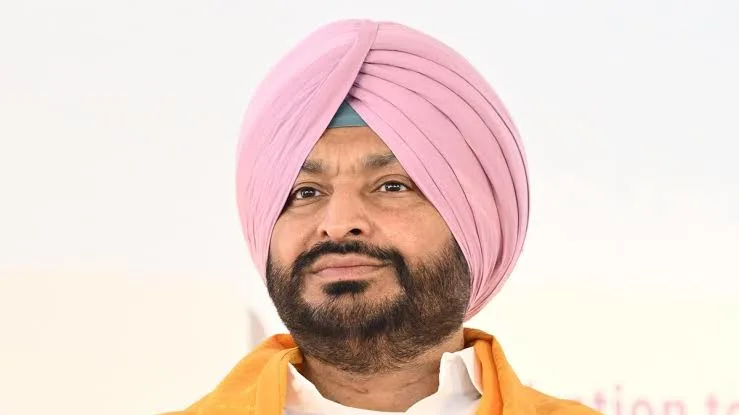
Ravneet Singh Bittu Resigns From Union Council of Ministers, and the Reason Is More Constitutional Than Political
Sometimes a resignation is a scandal. Sometimes it is a scheme. And sometimes, like this one, it is just the Constitution doing exactly what it was written to do. The Ravneet Singh Bittu resignation from the Union Council of Ministers falls firmly into that third category, even though the political undertones around it are impossible to ignore completely.
If your first reaction was to wonder what went wrong, that is fair, resignations usually mean trouble. This one did not. Let's actually walk through why.
Why This Actually Matters
Most people scroll past cabinet reshuffle news because it feels distant from daily life. But this particular exit is a neat little lesson in how Indian democracy enforces its own rules, quietly, without drama, even on powerful people. Bittu was not sacked for wrongdoing. He was not caught in controversy. He lost his ministerial seat because of a constitutional deadline that applies to every minister in the country, whether they are a first time MLA or a seasoned Union Minister. Understanding this helps you read future political news with sharper eyes, instead of assuming every resignation hides a scandal.
What Actually Happened, Explained Simply
Here is the plain version. President Droupadi Murmu accepted Ravneet Singh Bittu's resignation from his position as Union Minister of State for Railways and Food Processing Industries, acting on the advice of Prime Minister Narendra Modi, under Article 75 clause 2 of the Constitution. That clause simply allows the President to accept a minister's resignation. Nothing dramatic there. The real story sits inside a different provision, Article 75(5), which states that anyone appointed a minister who is not currently a Member of Parliament can only hold that post for six months. After that, they must become an MP, or they must go.
Bittu's Rajya Sabha term from Rajasthan ended on June 21, 2026. The BJP chose not to renominate him for another term. Once that door closed, his ministerial clock started ticking, and the Ravneet Singh Bittu resignation became less a choice and more an inevitability.
Read More: Elder Scrolls Online Layoffs: Inside the Cuts That Just Gutted One of Xbox's Biggest MMOs
How This Constitutional Exit Unfolded, Step by Step
- Bittu, originally a three time Congress MP from Ludhiana, switched to the BJP just before the 2024 Lok Sabha elections and lost that seat, yet was still made a Union Minister, a surprising move at the time.
- To legally continue as minister without a Lok Sabha seat, he needed a path into Parliament, which came through a Rajya Sabha bypoll from Rajasthan in September 2024, where he was elected unopposed.
- That Rajya Sabha term expired on June 21, 2026, and the BJP opted against renominating him, alongside another minister, George Kurian, facing the same situation.
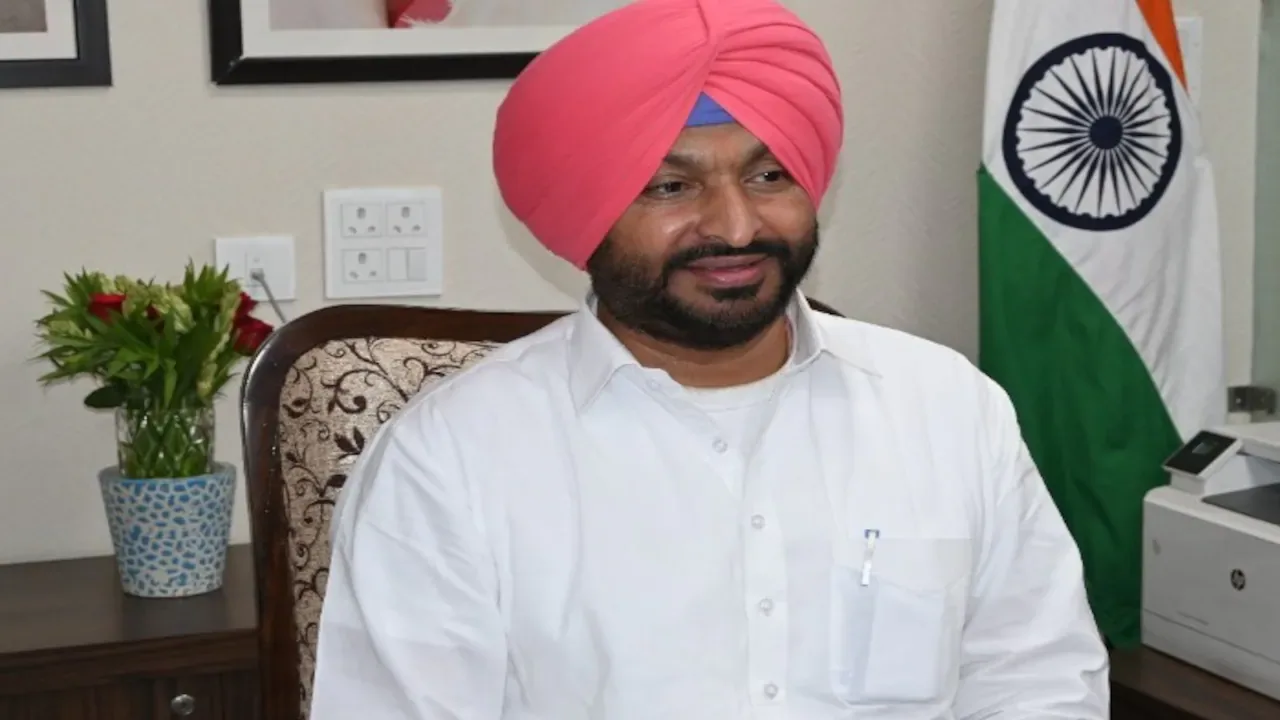
- With no parliamentary seat and the six month constitutional window closing, Bittu's continuation as minister became constitutionally impossible.
- He formally resigned, President Murmu accepted it with immediate effect, and government sources indicated he is expected to shift focus toward organisational work for the BJP ahead of Punjab's 2027 assembly election.
Read More: China Submarine-Launched Ballistic Missile Test: Why One Launch Rattled the Pacific
Real World Examples of Why This Rule Exists
This is not the first time Article 75(5) has forced an exit like this. It exists precisely to stop unelected individuals from holding ministerial power indefinitely without ever facing voters or securing a parliamentary seat. Think of it as a built in expiry date on political shortcuts. Governments sometimes appoint talented individuals as ministers before they've secured a seat, banking on winning them one later. When that backup plan falls through, as it did here, the Constitution simply does not allow indefinite extensions.
Mistakes People Keep Making While Reading This News
The most common one is assuming every ministerial resignation signals internal conflict or a cabinet reshuffle. Here, neither the Prime Minister's Office nor the BJP has linked Bittu's exit to any broader change in the Council of Ministers. Another mistake is missing the Punjab angle entirely. Bittu, grandson of former Punjab Chief Minister Beant Singh, remains a significant Jat Sikh political face in the state, and his resignation likely frees him up to focus entirely on Punjab's 2027 election rather than Delhi's ministry corridors.
Read More: Fidji Simo Steps Down From OpenAI: Inside Her Decision to Prioritize Health Over the No. 2 Job
Pro Tips for Following Political Resignations Like This
Whenever you read about a minister resigning, check two things quickly. First, whether Article 75(5) or a similar constitutional clock is involved, since that instantly tells you if it's procedural rather than scandal driven. Second, look at what role the person moves into next. Bittu stepping back to focus on organisational work in Punjab is a strong signal that his political career is not ending here, just relocating.
Closing Thoughts
There is something almost reassuring about a resignation like this one. No scandal, no late night reshuffle drama, just a constitutional rule doing precisely what it was designed to do decades ago. Bittu's next chapter in Punjab politics might end up mattering more than his brief run as a Union Minister ever did. Sometimes the quiet, procedural stories tell you more about how a democracy actually functions than the loud ones do.
Read More: Israel Warns of New Iranian Plot to Assassinate Trump: What We Actually Know So Far
FAQs
Why did Ravneet Singh Bittu resign from the Union Council of Ministers?
His Rajya Sabha term ended on June 21, 2026, and he was not renominated, triggering Article 75(5), which limits a non-MP minister's tenure to six months.
Is Bittu's resignation linked to any scandal or controversy?
No, government sources have consistently described it as a constitutional transition, not the result of any wrongdoing or internal conflict.
What will Ravneet Singh Bittu do next?
He is expected to focus on BJP's organisational strengthening in Punjab ahead of the state's 2027 assembly election.
Who is Ravneet Singh Bittu?
He is the grandson of former Punjab Chief Minister Beant Singh, a former three time Congress MP who switched to the BJP in 2024 and later served as Union Minister of State for Railways and Food Processing Industries.
What is Article 75(5) of the Indian Constitution?
It is the provision stating that a person who becomes a minister without being a sitting Member of Parliament can only hold that position for six consecutive months.
Will the BJP replace Bittu immediately in the cabinet?
As of now, no immediate replacement has been announced, and the party has not linked his exit to a wider cabinet reshuffle.