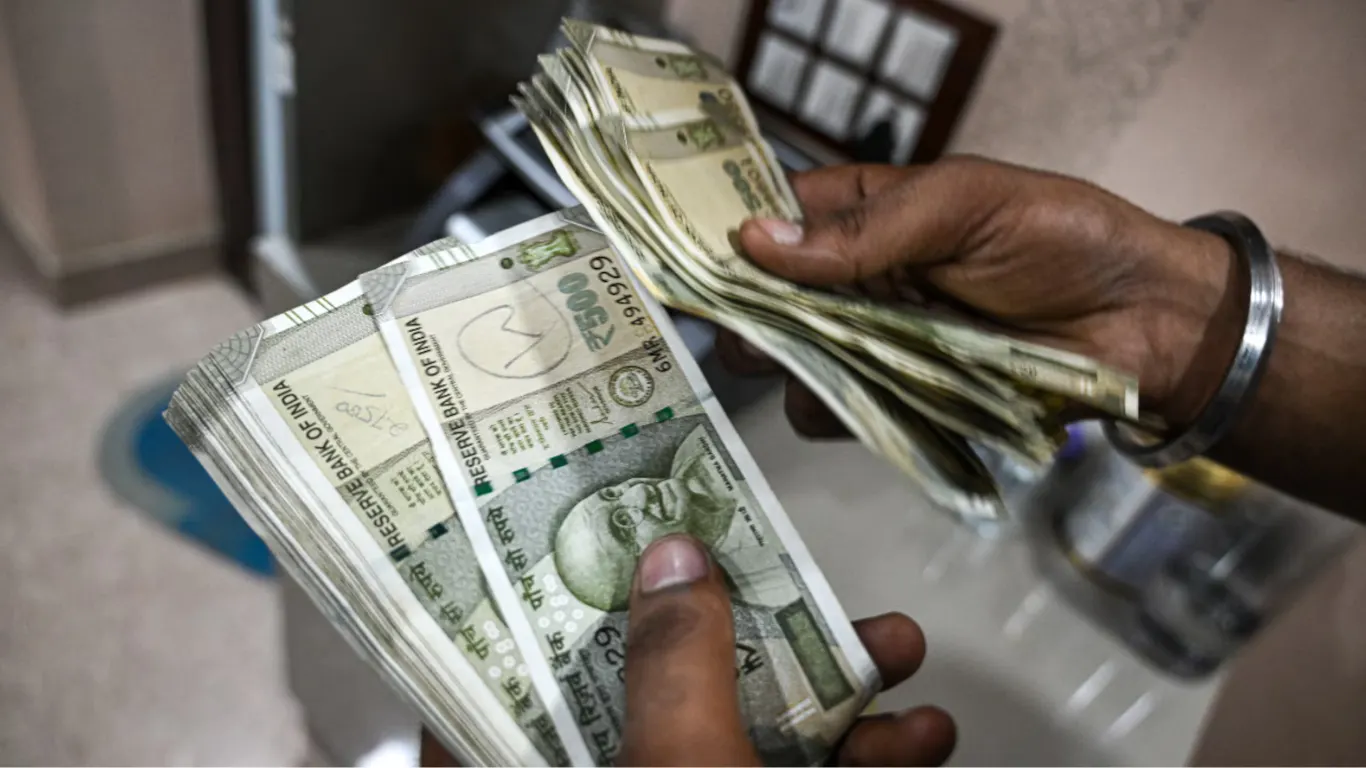
Rupee Hits Record Low Against Dollar: Why Your Wallet Feels It Even If You Never Travel Abroad
The Indian rupee falling to a record low against the US dollar is not just a number on a trader's screen. It is the kind of quiet alarm that sounds before something larger shifts. As of this week, the rupee has crashed to 96.17 per dollar, and then again to 96.25, marking the fifth consecutive day of record lows. That is not a correction. That is a direction.
So what is actually happening, and why should someone in Chandigarh, Pune, or any Indian city care?
Why the Rupee's Record Low Against the Dollar Matters for Everyday Indians
Most people hear "currency depreciation" and think it is a problem for bankers or importers. It is not. It is yours too.
India imports a staggering volume of crude oil, and oil is priced in dollars. When the rupee weakens, every barrel of oil becomes more expensive in rupee terms. That means higher fuel prices, higher transport costs, and eventually, higher prices at the grocery store. The chain is invisible but real.
India also imports electronics, machinery, fertilisers, and medicines. A weaker rupee means all of that costs more. Inflation, which had only recently started to ease, now faces a new headwind.
What Is Actually Causing This Fall: The Iran War Factor
Here is the part most reports bury in the fifth paragraph.
The rupee has fallen approximately 5.5% since the Iran-Israel conflict escalated and drew in broader West Asian tensions. That is not a coincidence. Oil markets react violently to any instability in the Gulf region, and India, which imports roughly 85% of its crude oil needs, is especially vulnerable.
Crude oil prices climbing past $100 per barrel is not just a market event. For India, it is a balance of payments stress test. The country pays for oil in dollars. When oil is expensive and the dollar is strong, India's current account deficit widens. That puts pressure on the rupee, which puts pressure on inflation, which puts pressure on ordinary people.
Analysts at Economic Times have flagged that if oil stays above $100 per barrel and the Reserve Bank of India stops managing currency volatility, the rupee could head toward 102 per dollar.
Read More: Modi in Gangtok: What Sikkim's 50 Years of Statehood Really Means for India's Smallest State
How Currency Depreciation Works: A Simple Explanation
Think of the rupee and the dollar as two sides of a trade.
When demand for dollars rises, the dollar strengthens. When India's economy needs more dollars than it earns, the rupee weakens. Right now, several things are happening at once: oil import bills are rising (more dollar demand), foreign institutional investors (FIIs) are pulling money out of Indian markets (dollars leaving India), and global risk sentiment is cautious (investors favouring safe-haven assets like the dollar).
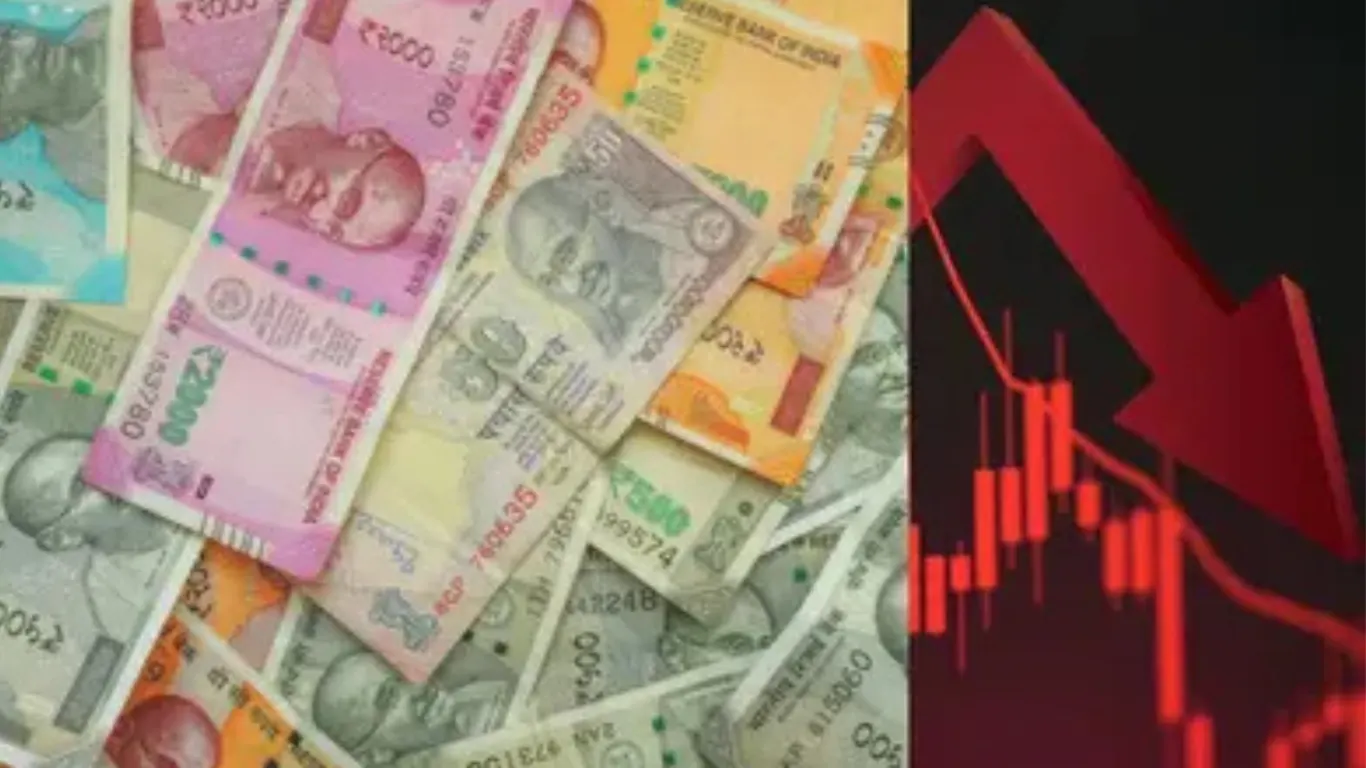
The Reserve Bank of India acts as a buffer. It uses its foreign exchange reserves, which currently stand at around $700 billion, to sell dollars in the market and support the rupee. But even $700 billion has limits, especially if global forces are persistent.
The FII Outflow Problem and Weak Inflows
This is the second storm hitting the rupee simultaneously.
Foreign investors have been net sellers in the Indian equity and debt markets. When they sell, they convert rupees back into dollars and take the money home. That direct withdrawal of dollars weakens the rupee further. Analysts describe this as a situation of "weak inflows and strong outflows", putting India back to familiar defensive tools, including RBI intervention.
Read More: UAE Quits OPEC Amid Iran War – Impact on Global Oil Markets & Prices
What Happens If the Rupee Hits 100 Per Dollar
Experts at Business Standard have said the 100-per-dollar level is not imminent. But the question is being asked now, and that itself tells you something.
A rupee at 100 per dollar would mean imported inflation at a scale India has not managed in recent memory. It would strain corporate margins for import-dependent sectors, add pressure to the fiscal deficit, and complicate monetary policy. The RBI would face a classic dilemma: raise interest rates to defend the rupee, or keep them lower to support growth.
There are winners, too. IT companies and exporters earn in dollars and report in rupees. A weaker rupee means their revenues look bigger domestically. That is why Equitymaster has highlighted export-focused stocks as ones to watch.
Common Misunderstandings About Rupee Depreciation
People often assume a falling rupee means the Indian economy is failing. That is an oversimplification.
Currencies fluctuate constantly. What matters is whether the depreciation is gradual and managed, or sharp and disorderly. Experts quoted in the Daily Excelsior point out that the current fall reflects "sentiment-driven weakness, not macro fundamental deterioration." India's growth story remains intact. But sentiment has a way of becoming reality if left unchecked.
Another mistake: assuming RBI will let the rupee fall freely. It will not. The central bank has tools, including selling dollars, adjusting liquidity, and communication, and it uses them. The rupee's volatility is being managed, even if the direction is downward.
Read More: How to Find the Right Legal Advisor Near Me: The Complete Guide to Getting Real Legal Help
Practical Tips for Those Affected by Rupee Depreciation
If you are planning to send money abroad for education, travel, or family, consider doing it sooner rather than later. Every rupee the currency falls means you pay more for the same dollar amount.
If you invest in mutual funds with global exposure, understand that a weaker rupee increases the rupee-value of those investments. That is a silver lining.
If you run a small business that imports raw materials, this is the time to look at forward contracts or hedging tools. Your bank or broker can explain these. They lock in a rate today for a transaction that happens later.
Avoid panic-driven decisions. The rupee has been here before. After the 2022 depreciation cycle, it recovered. Currency markets are cyclical. What looks alarming in the short term often stabilises over months.
Where Does This Go From Here
Predicting exchange rates is genuinely difficult. One analyst called for 150 per dollar, which most economists consider extreme. Business Standard's reporters, speaking to multiple experts, found consensus that a sharp fall to 100 is not imminent.
What is clear: as long as the West Asia conflict keeps oil prices elevated and FII sentiment remains cautious, the rupee will stay under pressure. The RBI will intervene. India's growth fundamentals will provide a floor. But the discomfort is real, and it is not going away quickly.
This is one of those stories where the numbers feel abstract until they are not. Until you fill your tank, buy imported medicine, or pay your child's foreign university fee. Then the rupee-dollar exchange rate becomes very personal, very fast.
Disclaimer: This article is based on information available across the web. Parchar Manch does not take responsibility for its complete accuracy, as the content could not be fully verified.
Read More: When Fashion Became a Museum Piece: Inside the 2026 Met Gala's "Costume Art" Night
FAQs
Why is the Indian rupee falling against the US dollar right now?
The primary reasons are rising crude oil prices due to the West Asia conflict, heavy foreign institutional investor outflows from Indian markets, and a globally strong US dollar. These factors together create more demand for dollars and less supply, weakening the rupee.
How does a weak rupee affect common people in India?
It raises the cost of imported goods, including oil, electronics, and medicines. This feeds into inflation, making everyday goods more expensive over time. It also increases costs for students studying abroad and those remitting money overseas.
Will the rupee reach 100 against the dollar?
Most economists currently say that the level is not imminent, but it is being discussed given current trends. The RBI's intervention and India's substantial foreign exchange reserves provide a buffer.
Is there any good news in a falling rupee?
Yes. Indian IT companies, software exporters, and others who earn revenues in dollars benefit because their earnings convert to more rupees. Remittances from the Indian diaspora also bring in more rupees per dollar sent home.
What should I do personally during rupee depreciation?
If you have planned foreign currency expenses, consider executing them sooner. If you invest in global funds, the weaker rupee may have increased their rupee-denominated value. Avoid panic. Focus on the medium term, where currency cycles tend to stabilise.