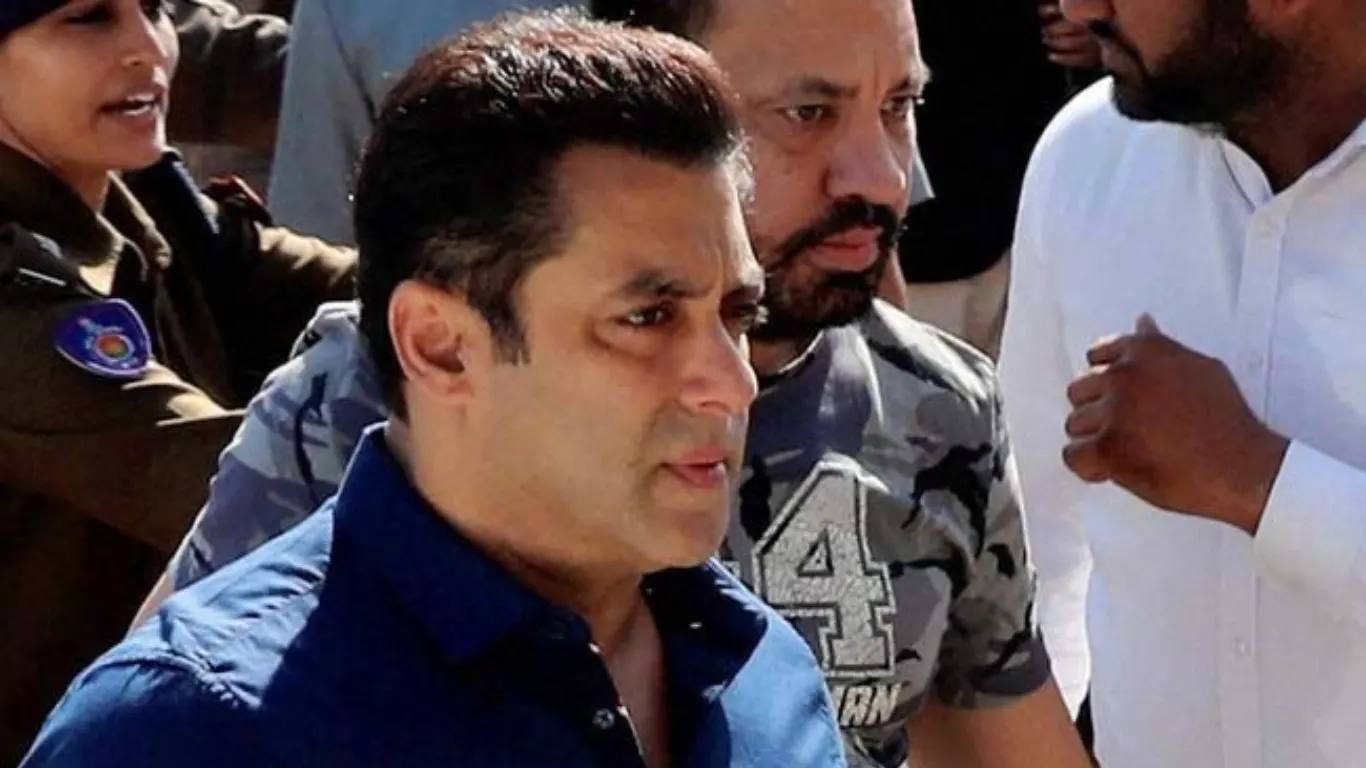
Salman Khan Kala Hiran Case: Why Delhi High Court Just Pressed Pause, Not Stop
A courtroom, a vacation bench, and a film nobody outside legal circles had heard of a month ago. That's roughly the scene when the Salman Khan Kala Hiran case landed in front of Delhi High Court again, and honestly, if you've been half following this story through headlines alone, you probably think it's already resolved. It isn't. Not even close. What actually happened is quieter than the noise around it, and that's exactly why it deserves a slower look.
Why This Actually Matters?
This isn't just another celebrity legal spat, no, that undersells it a bit. The Salman Khan Kala Hiran case sits right at the intersection of two things a lot of people genuinely care about, personality rights and creative freedom. If a filmmaker can loosely base a project on your life, your controversies, even your acquittals, without your consent, where exactly is the line? And if a court can pause a film's release before anyone's even seen it, what does that mean for storytelling itself? Whichever side you lean toward, this case is quietly setting precedent for how Indian courts will treat biographical fiction going forward. That's worth paying attention to, even if you've never watched a Salman Khan film in your life.
What the Kala Hiran Case Really Is?
Strip away the legal language and here's the plain version. Salman Khan approached the Delhi High Court seeking to stop the filming, promotion, and eventual release of a movie titled Kala Hiran: The Battle for Legacy. His argument, in simple terms, is that this project is dramatizing his own life without permission, specifically drawing from the 1998 blackbuck poaching case that has followed him for decades. Think of it like someone writing a book loosely based on your biggest personal scandal, changing your name slightly, but making sure everyone knows exactly who they mean. That's essentially the accusation at the heart of the Kala Hiran Delhi High Court dispute.
Khan's plea points to specific details, not vague suspicion. A poster released in May 2026 allegedly shows a character wearing a bracelet similar to his own signature blue one. The same character is shown holding a firearm, despite Khan having been acquitted under the Arms Act in the underlying case, something his legal team argues creates a false and defamatory impression. His plea also references past statements from the film's producer, Amit Jani, allegedly connecting the project to both the blackbuck case and gangster Lawrence Bishnoi.
How the Court Proceedings Unfolded, Step by Step?
- The plea was filed. Khan's legal team, led by senior advocate Sandeep Sethi, sought an interim injunction, arguing the filmmakers had no right to dramatize his life.
- The first hearing came before a vacation bench. Justice Madhu Jain heard initial arguments, where Sethi stated the teaser had already been released and that the makers were commercially exploiting Khan's identity.
- The filmmakers requested time. Their counsel said they had only recently received the application and needed time to respond properly.
- The matter got listed again, this time before Justice Jyoti Singh, with the filmmakers giving a fresh undertaking, no trailer release, no film release, and no submission to the Central Board of Film Certification before the next hearing.
- The case was deferred once more, with the Delhi High Court hearing now expected to continue on a later date as both sides prepare fuller arguments.
So no, this wasn't a ruling in anyone's favor. It was the court buying time, carefully, while making sure nothing irreversible happens before it can actually weigh the arguments.
Real World Context That Makes This Clearer
This kind of dispute isn't entirely new territory. Personality rights cases have popped up before involving other public figures who objected to unauthorized biopics or thinly veiled portrayals. What makes the Salman Khan Kala Hiran case distinct is the layering, it's not just about using someone's name or image, it's about referencing a real, decades old criminal case that's still technically alive in higher courts. The film's director, Bharat Shrinate, has publicly pushed back too, saying no person, however powerful, becomes above the reach of truth and justice, a comment clearly aimed at the perception that Khan's star power might sway the outcome.
Mistakes People Keep Making While Following This Case
A lot of casual readers assume "deferred" means "dismissed" or "won." It doesn't. Deferring a hearing simply means the court needs more time, more documentation, more clarity, before making any substantive decision. People also tend to assume Khan is trying to block the film purely out of ego. That may or may not be true, but legally, his claim is narrower and more specific, centered on personality rights and the risk of prejudicing pending proceedings, not a blanket objection to being written about.
Read More: Kangana Ranaut Lock Up 2 Return: Why Her Janta Ki Awaaz Entry Is Bigger Than It Looks
Pro Tips for Actually Understanding This Case
If you want to follow this properly, focus less on dramatic headlines and more on what each hearing actually decided. Watch for whether the filmmakers submit the film to the CBFC, since that step alone tells you how close release actually is. And remember, interim undertakings given in court, like the promise not to release a trailer, are legally binding in that moment, even without a final verdict.
Closing Thoughts
There's something almost fitting about a case built on the tension between real life and dramatized fiction being decided so slowly, so deliberately. No verdict yet, no clear winner, just careful steps. Maybe that's exactly how a case this sensitive should move, unhurried, whatever the headlines outside the courtroom keep suggesting.
Disclaimer: This article is based on information available across the web. Parchar Manch does not take responsibility for its complete accuracy, as the content could not be fully verified.
FAQs
What is the Salman Khan Kala Hiran case about?
It's a legal dispute where Salman Khan is seeking to block the film Kala Hiran: The Battle for Legacy, alleging it violates his personality rights by dramatizing the 1998 blackbuck poaching case.
Has the Delhi High Court made a final decision yet?
No, the court has only deferred the hearing multiple times, allowing both sides more time to present their arguments.
What did the filmmakers agree to during the hearing?
They gave an undertaking not to release the film or its trailer, and not to submit it for CBFC certification, before the next scheduled hearing.
Why does Salman Khan believe the film targets him specifically?
His plea cites a poster showing a character with a similar bracelet to his own, holding a firearm despite his Arms Act acquittal, along with public statements linking the project to him.
What are personality rights in this context?
They refer to a person's legal right to control commercial use of their identity, image, and likeness, which Khan argues the filmmakers violated without consent.