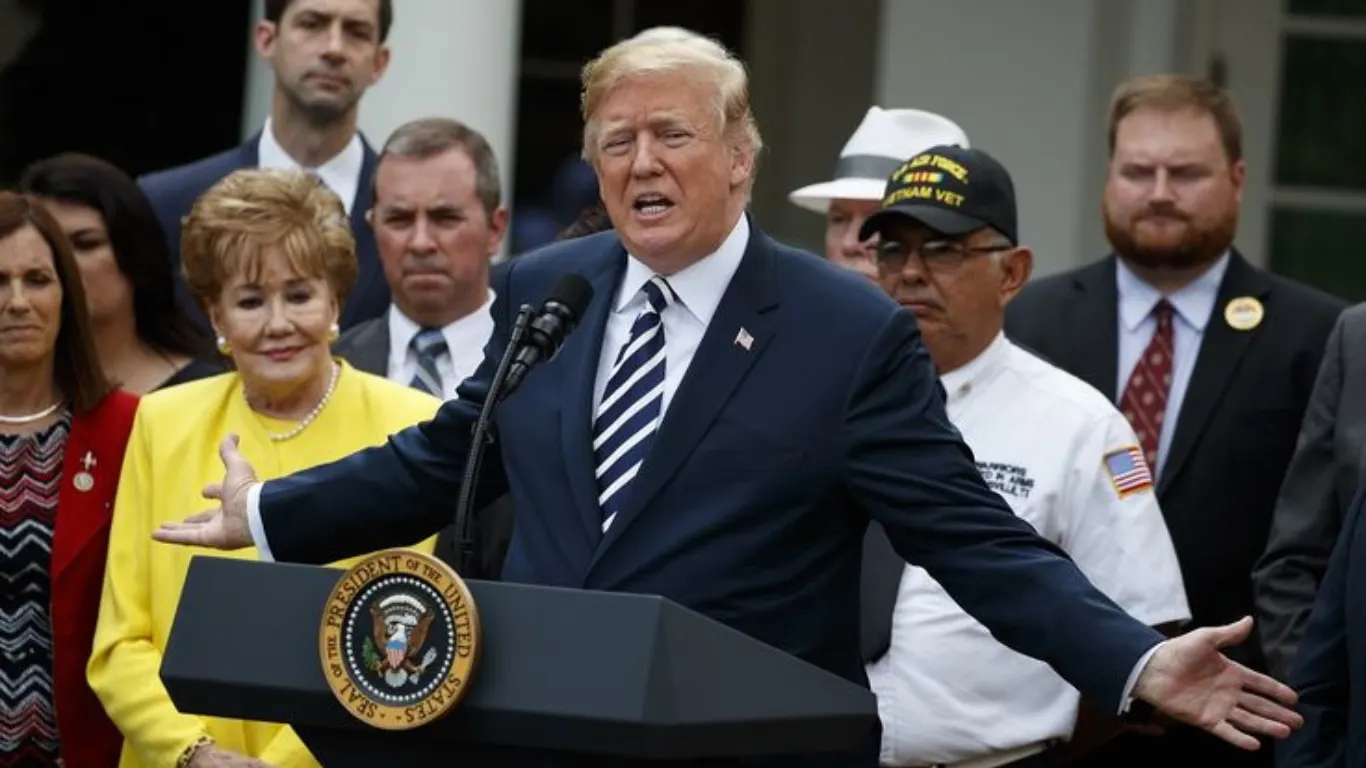
Supreme Court Rejects Trump's Bid to Remove Fed Governor Lisa Cook, Federal Reserve Independence Holds
There's a particular kind of legal showdown that quietly shapes how much power a president actually has, even when most people aren't watching closely. This is one of those moments. The Supreme Court rejects Trump bid to remove Fed Governor Lisa Cook, and in doing so, drew a clear line around how far a president can reach into the Federal Reserve.
Why This Actually Matters?
Interest rates touch everyone, mortgage payments, car loans, credit card bills, the whole everyday math of borrowing money. The Federal Reserve sets the policies behind those numbers, and it was deliberately built to operate outside direct presidential control. This ruling decides whether that independence survives intact or starts eroding. If a sitting president could remove Fed governors at will, every rate decision could start looking less like sound economic policy and more like political convenience.
What This Case Was Really About?
Strip away the legal language and here's the core idea. Lisa Cook, the first Black woman to serve as a Federal Reserve governor, was appointed by President Biden. In August 2025, President Trump attempted to fire her, citing mortgage fraud allegations made by a Trump appointed official, allegations Cook has firmly denied. She sued immediately, arguing the firing violated the Federal Reserve Act's for cause removal requirement, a legal standard meaning a president needs an actual justified reason, not just political disagreement, to remove a sitting governor.
How the Legal Battle Unfolded, Step by Step?
A federal district judge sided with Cook in September 2025, issuing an injunction that kept her in her seat while the case played out. An appeals court agreed shortly after. Trump then pushed the fight straight to the Supreme Court, asking the justices to lift those lower court rulings immediately. On June 29, 2026, the Supreme Court issued its decision in a 5 to 4 vote, with Chief Justice John Roberts writing the majority opinion, joined by Justice Brett Kavanaugh along with the court's three liberal justices. The court ruled Trump lacked sufficient legal authority to remove Cook without proper cause and without giving her real notice or a chance to respond to the allegations against her.
Read More: The Hidden Walking Rule Nobody Knew Existed: Why Humans Naturally Turn Counterclockwise
Real-World Example of What Was at Stake
Picture what would happen if a president could fire a Fed governor purely for refusing to vote a certain way on interest rates. That's essentially the scenario Roberts warned against, writing that allowing Cook's removal now would let a president remove a Federal Reserve governor at any time, for any reason, without notice or judicial review, turning supposed job protection into nothing more than at-will employment.
The Twist Most People Are Missing
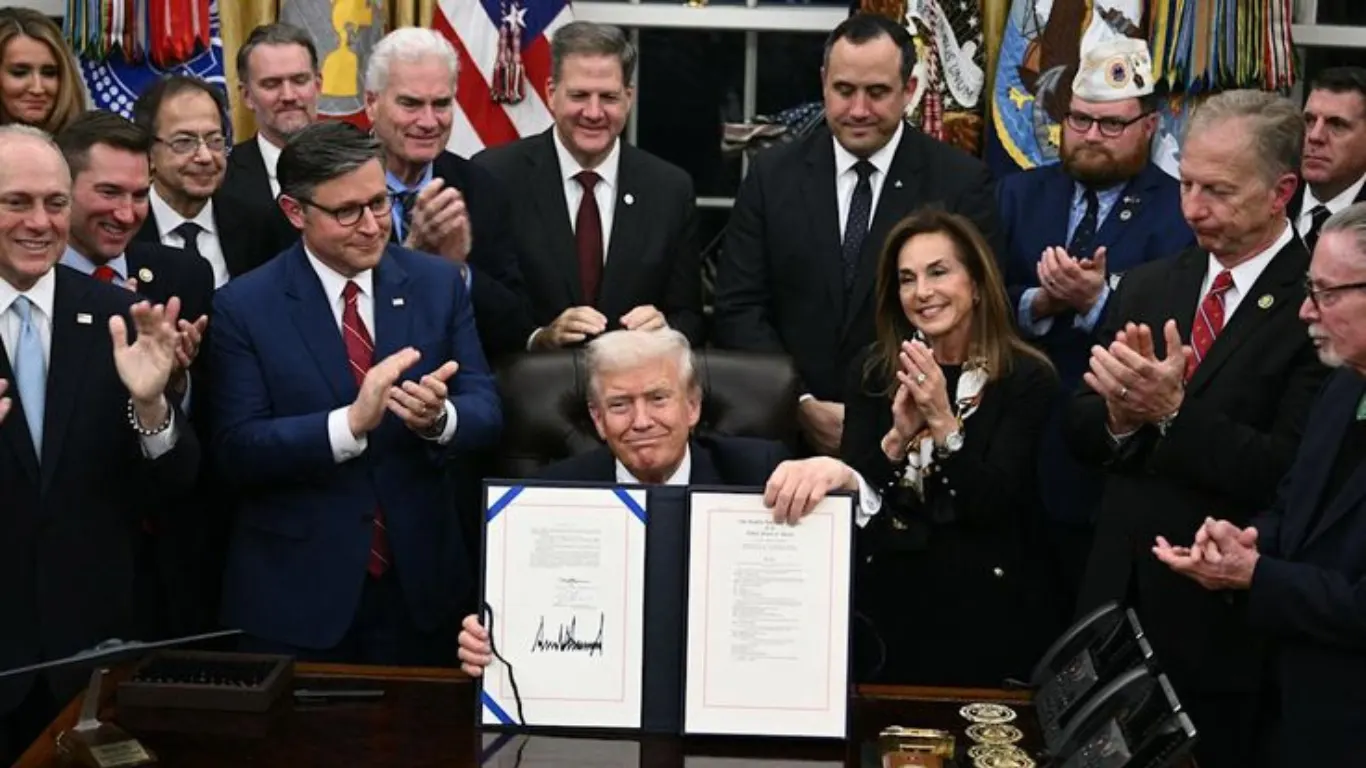
Here's where it gets layered. On the very same day, the Supreme Court ruled in a separate case, Trump v. Slaughter, that the president does have broad authority to fire heads of other independent federal agencies, overturning a 1935 precedent called Humphrey's Executor. So this wasn't a blanket defeat for presidential power, it was a deliberate carve-out specifically protecting the Federal Reserve because of its unique structure and role in the economy.
Read More: Ebola Is Back and Spreading Fast: Everything You Need to Know About the 2026 Outbreak
Mistakes People Keep Making When Reading This Ruling
Don't mistake this for a final, permanent answer. The court didn't decide whether Trump can eventually fire Cook, only that he couldn't do it the way he tried, without proper process. Roberts even noted nothing stops Trump from trying again if he provides Cook proper notice and a real opportunity to respond.
Pro Tips for Following What Comes Next
Watch Trump's response closely, he's already signaled on social media that he intends to pursue removal proceedings again, this time presumably following the notice and response process the court outlined. Also keep an eye on the Fed's broader composition, since this fight is widely seen as connected to pressure over interest rate decisions, not just the mortgage allegations themselves.
Closing Thoughts
Institutions built to stay above politics rarely get tested this directly, and how a system responds in that moment tends to reveal more than years of quiet routine ever could. This ruling didn't end the fight over Federal Reserve independence, but it did set a boundary that matters.
Disclaimer: This article is based on information available across the web. Parchar Manch does not take responsibility for its complete accuracy, as the content could not be fully verified.
FAQs
What did the Supreme Court actually decide?
It ruled Trump lacked legal authority to fire Lisa Cook without proper cause and due process, allowing her to remain on the Fed board while her lawsuit continues.
Can Trump still try to fire Cook again?
Yes, the ruling left open the possibility if he provides proper notice and lets her respond to the allegations.
What were the mortgage fraud allegations against Cook?
Officials alleged she claimed two homes as primary residences to secure better mortgage rates, which Cook has denied.
How is this connected to the Slaughter case?
Both were decided the same day, with the court expanding presidential removal power generally but carving out a specific exception for the Federal Reserve.
Why does Federal Reserve independence matter to ordinary people?
It affects interest rate decisions tied to mortgages, loans, and broader economic stability, free from short-term political pressure.