
Sensex Slides as US-Iran Tensions Shake Dalal Street: What Every Indian Investor Must Know Today
Sensex opened under pressure on May 26, 2026, and the reason is not buried in fine print. It is sitting right there in the headlines — US-Iran military conflict has rattled global markets, and India's benchmark indices are feeling the heat.
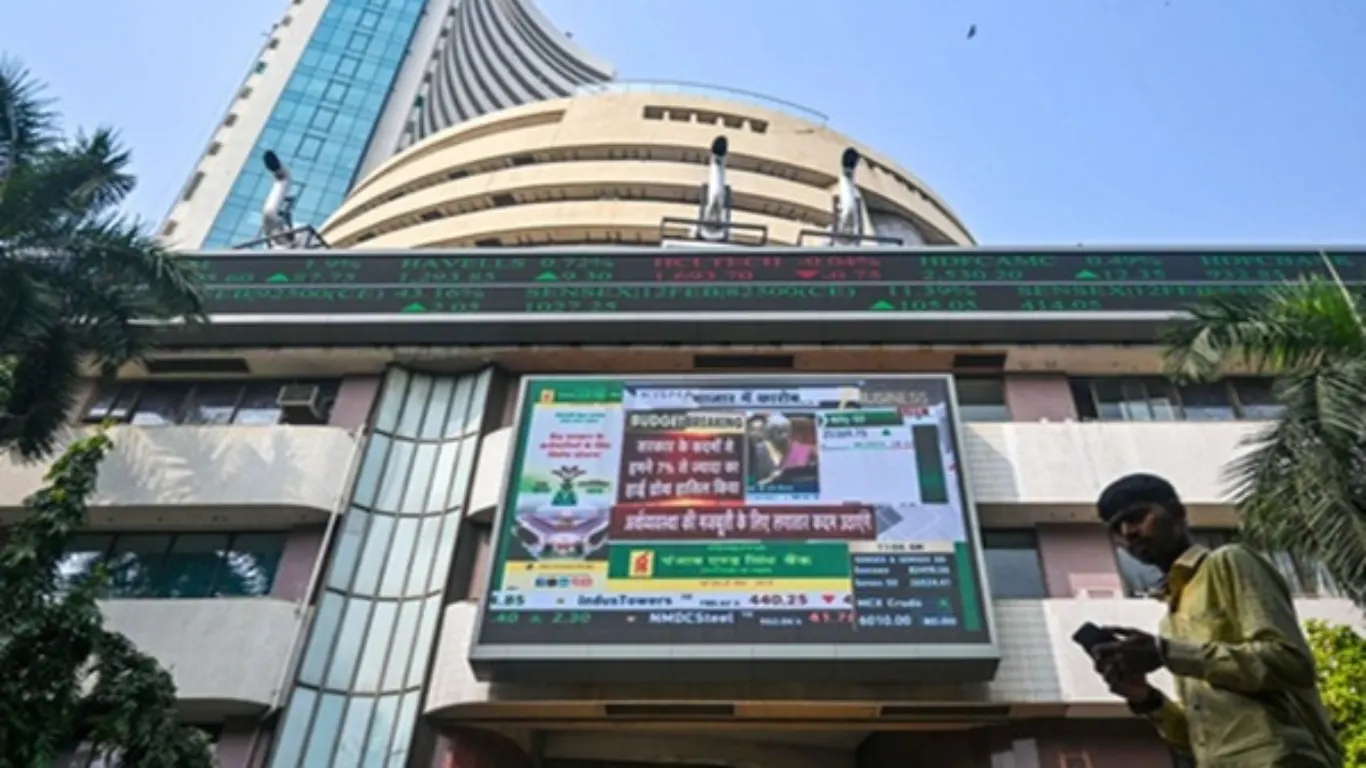
The BSE Sensex dropped over 264 points in early trade, while the Nifty 50 slipped below the critical 24,000 mark. This is not just a number on a screen. For millions of retail investors and mutual fund holders across India, this morning carried a familiar anxiety the kind that arrives before the first cup of chai is finished.
Read More: Your Chrome Browser Has Critical Security Holes , Here Is What Google Just Did About It
Why the Sensex Is Falling Today: The Iran Factor
Over the weekend, the United States launched what it called "self-defence" strikes on Iran. That single geopolitical event set off a chain reaction across global financial markets.
Crude oil prices rebounded sharply, which directly matters to India since the country imports nearly 85 percent of its oil. A surge in crude oil prices pushes up inflation, widens India's current account deficit, and pressures the Indian rupee. All of this feeds into stock market volatility.
The GIFT Nifty, which trades before the Indian market opens and serves as an early indicator, had already signaled a negative opening hours before Dalal Street came alive. Markets opened muted, turned choppy, and briefly attempted a recovery but the mood was cautious.
What These Numbers Actually Mean for You
The Sensex and Nifty are India's two most-watched equity benchmarks. Think of them like a health thermometer for the country's listed companies. When Sensex falls 200 to 300 points, it does not necessarily signal a crisis. It often signals nervousness.
Today's nervousness has a name: geopolitical risk. That is the market's way of saying events outside of economics are creating uncertainty. Investors do not like uncertainty. They pull money out of riskier assets like equities and move into safer ones gold, for instance, surged over 1 percent globally as Sensex was declining.
Read More: Marco Rubio India Visit: Why This Four-Day Trip Could Reshape the US-India Relationship
Foreign Institutional Investors (FII flows) are being watched closely. FIIs have the power to move Indian markets significantly. When global risk sentiment turns negative, FIIs often exit emerging markets like India. That selling pressure shows up directly in the Sensex and Nifty.
Stocks That Are Moving Today
Not everything was falling. The Wipro share price extended its winning streak after the company announced a Rs 15,000 crore share buyback at Rs 250 per share a signal of management confidence that lifted investor sentiment around the stock.
Raymond announced a preferential issue worth Rs 330 crore, and its shares moved higher in response.
On the losing side, IndiGo and SBI Life featured among the top Nifty losers early in the session. Techno Electric shares slumped nearly 12 percent on results day.
Small-cap stocks briefly jumped up to 1 percent, offering some positive breadth to an otherwise cautious session.
Read More: Sundar Pichai Just Redefined Google Search, and It Was Over a Pint
What Will Drive Markets This Week?
Analysts and traders are tracking several key factors that will shape market direction over the coming days.
Iran tensions and crude oil remain the dominant risk. If the conflict escalates further, oil could spike and drag down markets. If US-Iran peace talks gain traction and early signals from Washington were being read cautiously crude prices may soften and markets could stabilise.
The RBI dividend payout to the government is another closely watched catalyst. A higher-than-expected dividend could ease fiscal pressure and provide a mild positive boost to sentiment.
Global cues are mixed but not uniformly negative. Japan's stock market hit a record high on optimism about a potential US-Iran deal. US markets rose S&P 500 gained 0.6 percent, Nasdaq 100 gained 0.7 percent on similar hopes. Indian markets are processing the same information but with the added sensitivity of being an oil-importing economy.
The Mistake Most Retail Investors Make on Days Like This
Panic selling. Every market dip brings a wave of decisions that are made emotionally rather than logically. A 300-point fall in Sensex from a level above 80,000 is less than 0.4 percent. That is not a crash. That is a ripple.
Checking your portfolio multiple times a day on volatile sessions serves very little purpose. If your investment horizon is two to five years, today's movement is statistical noise.
A Thought Worth Sitting With
Markets have absorbed wars, oil shocks, pandemics, and political upheavals before. The Sensex today is a dramatically different and higher number than it was ten years ago through all of those events.
That is not a reason to ignore risk. It is a reason to understand it clearly and respond to it calmly.
Disclaimer: This article is based on information available across the web. Parchar Manch does not take responsibility for its complete accuracy, as the content could not be fully verified.
Read More: Cockroach Janta Party Founder Abhijeet Dipke Faces Caste Attacks After Revealing Dalit Identity on X
FAQs
Why did Sensex fall today, May 26, 2026?
Sensex fell primarily due to US military strikes on Iran over the weekend, which caused crude oil prices to rise and created global risk-off sentiment, pulling foreign investors away from emerging markets including India.
What is GIFT Nifty and why does it matter?
GIFT Nifty is a futures contract traded at Gujarat International Finance Tec-City before regular market hours. It acts as a live pre-market indicator. When it trades lower, it signals that Dalal Street is likely to open in the red.
Is a 200 to 300 point fall in Sensex serious?
With Sensex trading above 80,000, a fall of 200 to 300 points represents less than 0.5 percent. It reflects caution and short-term sentiment rather than any structural problem. Long-term investors generally do not need to react to moves of this size.
What is FII flow and how does it affect Indian markets?
Foreign Institutional Investors are large global funds that invest in Indian equities. When global uncertainty rises, these investors often move money out of emerging markets. This selling activity directly pushes Sensex and Nifty lower.
Should I buy or sell stocks during a geopolitical crisis?
This depends entirely on your investment horizon and risk tolerance. Historically, geopolitical-driven market corrections have been shorter in duration than economic-driven ones. Consulting a registered financial advisor is advisable before making any significant portfolio decisions.