Shiv Sena UBT Challenges MPs Merger In Supreme Court: The Fight Over Six Signatures
Nine members of parliament, one party symbol, and suddenly, six of them belong somewhere else. That's the strange arithmetic sitting at the center of the Shiv Sena UBT challenges MPs merger story that landed in the Supreme Court this week. It sounds almost bureaucratic when you say it plainly, a Speaker's order, a merger notification, some paperwork. But underneath it is a fight over what a political party even means anymore, once its own elected representatives can be reassigned by administrative decision.
Why This Actually Matters
Because if six people, elected under one party's name and symbol, can be recognised as having merged into a rival party without any formal disqualification process, that changes what winning an election on a party ticket actually guarantees. Uddhav Thackeray's Shiv Sena (UBT) has effectively watched its Lok Sabha presence shrink from nine MPs to three, not through resignations, not through defeat, but through a Speaker's signature. Whatever side of Maharashtra's ongoing Shiv Sena split you're on, the underlying question, how much power a Speaker holds to reshape party strength mid-term, affects how Parliament works for everyone.
What Actually Happened
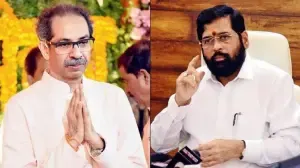
On July 18, 2026, Lok Sabha Speaker Om Birla approved the merger of six Shiv Sena (UBT) MPs, Sanjay Deshmukh, Sanjay Jadhav, Sanjay Dina Patil, Nagesh Patil-Ashtikar, Omprakash Rajenimbalkar, and Bhausaheb Wakchaure, into the Eknath Shinde-led Shiv Sena. The timing wasn't subtle, just two days before Parliament's Monsoon Session began. With that single approval, UBT's Lok Sabha strength dropped to three MPs, while Shinde's faction jumped from seven to thirteen, making it the third largest constituent within the NDA, behind BJP and the TDP.
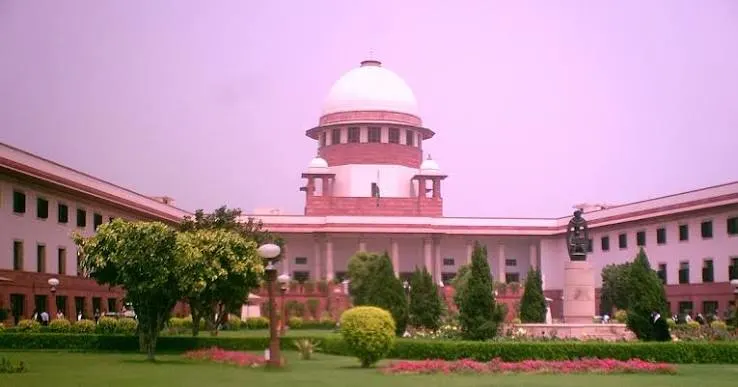
Shiv Sena UBT moved fast. On July 22, senior counsel Devadutt Kamat, representing party MP Arvind Ganpat Sawant, brought the matter before a bench of Justices P.S. Narasimha and Alok Aradhe, seeking urgent relief. His core argument was straightforward, and worth sitting with for a second: no disqualification proceedings under the Tenth Schedule (India's anti-defection law) were pending against these six MPs. If nobody had accused them of defecting, Kamat asked, what authority did the Speaker even have to formally recognise a merger?
The Concept, Explained Simply
Think of the Tenth Schedule as the rulebook for what happens when elected members switch sides. Normally, a merger only becomes legally relevant when there's a defection dispute already on the table, someone filing a complaint saying "these members abandoned our party." Kamat's argument was that this entire process got skipped. There was no defection complaint. No disqualification petition. Just a Speaker's office recognising a merger anyway, as though the underlying legal trigger didn't need to exist first.
He raised a second wrinkle too. Reportedly, the merger order carried the signature of a Joint Secretary, not the Speaker himself, which Kamat suggested raised its own procedural question about whether it was even properly issued.
How The Case Has Moved So Far
- July 18: Speaker Birla approves the merger, formalising the shift of six MPs to Shinde's Shiv Sena.
- July 21: Kamat mentions the matter before Chief Justice Surya Kant's bench, seeking urgent listing, describing UBT's parliamentary functioning as having "come to absolute standstill."
- July 22: The case is heard by a bench of Justices Narasimha and Aradhe. The Court issues notice to the Lok Sabha Speaker and other respondents, meaning they must formally respond, but refuses interim relief, so the merger stands, for now.
- Court's posture: Justice Narasimha, when Kamat pressed constitutional arguments in the moment, responded simply that notice had already been issued and the matter would be taken up properly later. The case, Arvind Ganpat Sawant v. Hon'ble Speaker, Lok Sabha and Ors., is listed for further hearing after two weeks.
So nothing is resolved yet. Notice issued, no stay granted, replies expected, then a proper hearing.
Real-World Example: Why This Feels Familiar
If this dispute rings a bell, it should. It echoes the earlier Maharashtra Assembly fight from 2024, when UBT similarly challenged Speaker Rahul Narwekar's ruling that recognised Shinde's faction as the "real" Shiv Sena at the state level. That case, too, revolved around symbol recognition, legitimacy, and how much discretion a Speaker's office holds. What's happening now at the national level, with Lok Sabha MPs, is essentially the same structural argument playing out on a different stage.
Mistakes People Keep Making When Reading This Story
The most common one is assuming "Supreme Court refuses interim relief" means the Court has sided with the Speaker or with Shinde's faction. It hasn't ruled on anything substantive yet, it's simply declined to freeze the situation while the case proceeds. Refusing a stay is a procedural holding pattern, not a verdict.
Another mistake, treating this purely as a Maharashtra regional story. It's actually a Lok Sabha matter now, meaning it touches national parliamentary arithmetic and NDA seat counts directly, not just state politics.
Pro Tips For Following This Case
Watch what the Speaker's office actually argues in its counter-affidavit, that's where the real legal justification for skipping a formal disqualification process should surface, if one exists. Also keep an eye on whether the Joint Secretary signature question gets addressed head-on; procedural defects like that have derailed government orders in Indian courts before, even when the underlying substance seemed settled.
Closing Thoughts
There's a quiet irony sitting inside this whole dispute. A merger meant to strengthen one faction's numbers before a parliamentary session has instead pulled the loudest possible attention toward the process itself, toward signatures, schedules, and jurisdiction. Sometimes the fastest way to make people question how power shifted is to shift it a little too quickly.
Read More: Monsoon Session 2026: Why This Might Be The Most Explosive Parliament Sitting In Years
FAQs
What is the Shiv Sena UBT MPs merger case actually about?
It's a Supreme Court challenge against Lok Sabha Speaker Om Birla's decision to recognise six Shiv Sena (UBT) MPs as merged with the Eknath Shinde-led Shiv Sena faction.
Did the Supreme Court stay the merger?
No. The Court issued notice to the Speaker's office but refused interim relief, so the merger remains in effect while the case proceeds.
Why does Shiv Sena UBT say the merger is invalid?
Because no disqualification proceedings under the Tenth Schedule were pending against the six MPs, and the party argues the Speaker had no jurisdiction to approve a merger without that process.
How does this affect party strength in the Lok Sabha?
UBT's strength fell to three MPs, while Shinde's Shiv Sena rose from seven to thirteen, making it the NDA's third largest constituent.
When will the case be heard next?
The matter has been listed for further hearing after two weeks, once the respondents file their counter-affidavits.