Shraddha Walkar Murder Case Delay: How An Exam Date Just Pushed Justice Back Again
Four years. That's how long it's been since Shraddha Walkar's name became one that most of India recognizes instantly, and still, her family is waiting for a verdict. The latest reason for the holdup is almost jarring in how mundane it sounds. An exam. The Shraddha Walkar murder case delay has, once again, been extended, this time because the accused, Aaftab Amin Poonawala, requested exemption from a scheduled hearing to sit for his university examination inside Tihar Jail.
Let me sit with that for a second, because it really does feel strange, doesn't it. A murder trial, paused, so the accused can write a sociology paper.
Why This Delay Actually Matters
Here's why this isn't just another court date shuffle. Shraddha's family has been unable to perform her last rites for years now, because her remains are legally considered case property, and case property cannot be released until the trial concludes. Every adjournment, whether for a medical appointment, a procedural application, or now an academic exam, extends that wait in a very literal, painful sense.
This also touches something bigger than one case. It raises real questions about how India's justice system handles high profile trials when procedural requests, individually reasonable, add up into years of accumulated delay.
What Actually Happened, Explained Simply
Here's the situation in plain terms. The Saket Court had earlier scheduled a run of hearings from July 20 to July 27, 2026. Then, on July 8, Poonawala's side filed an application saying he needed to appear for his final MA Sociology examination through IGNOU, conducted at an examination centre set up inside Tihar Jail itself, on July 20. Additional Sessions Judge Hargurvarinder Singh Jaggi accepted the application and cancelled that hearing date.
Think of it like a courtroom calendar getting rearranged around someone else's personal schedule, except the someone else is standing trial for murder, and the calendar belongs to a case that's already dragged on for years.
How This Pattern Of Delay Has Unfolded, Step By Step
Understanding the sequence here helps explain why frustration has been building.
It began back in November 2022, when Shraddha's disappearance came to light after her family couldn't reach her, leading to an FIR at Mehrauli Police Station and Poonawala's arrest. Charges of murder and disappearance of evidence were formally framed only in May 2023, roughly six months later, following delays around evidentiary arguments.
From there, the trial has moved in fits and starts. Early on, even procedures like his polygraph test faced a hold up, when Poonawala reportedly fell ill and could not be taken for testing on schedule. Now, years into the trial itself, the July 20 hearing became the latest casualty, this time due to his university exam.
Read More: Alpha Box Office Collapse: Why Alia Bhatt's Big Spy Thriller Cratered After a Promising Opening Weekend
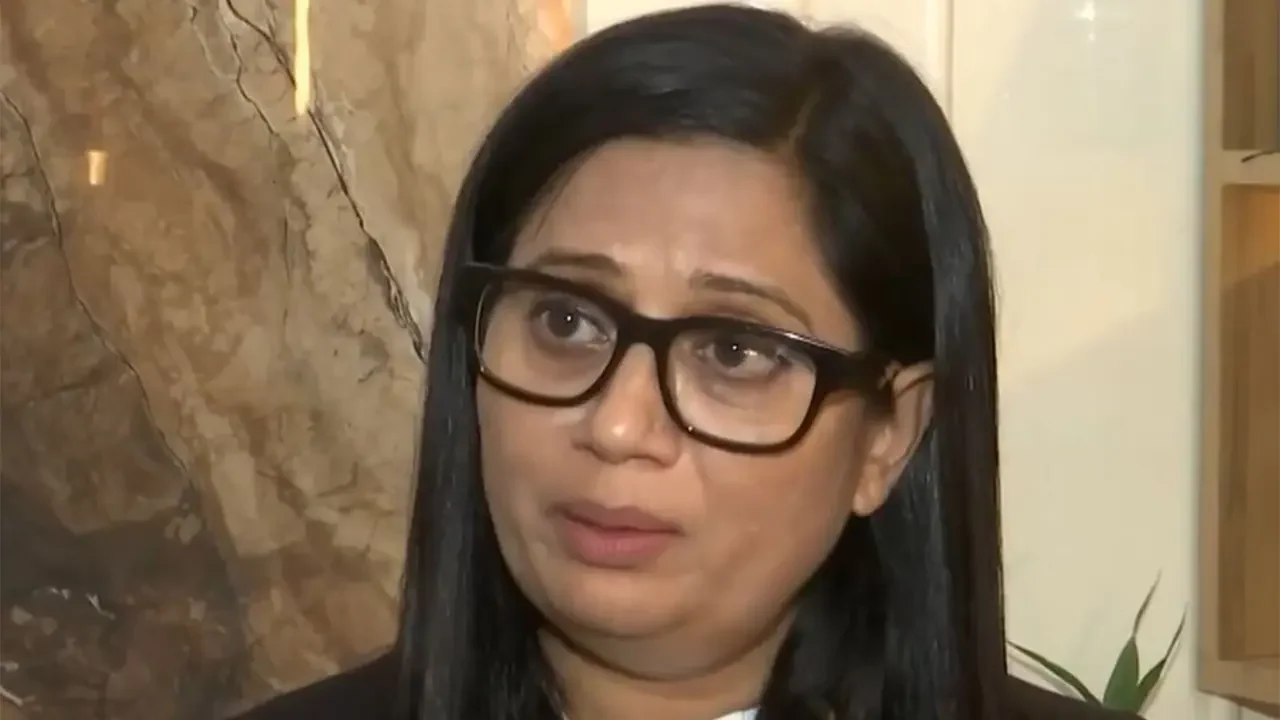
Advocate Seema Samridhi Kushwaha, representing Shraddha's family, has publicly alleged that the defence is deliberately delaying proceedings, and said she intends to approach the Delhi High Court seeking a speedier hearing schedule. She's pointed out that IGNOU exam schedules are announced well in advance, raising the question of why this scheduling conflict wasn't flagged before the July hearings were originally fixed.
Real World Details That Ground This Story
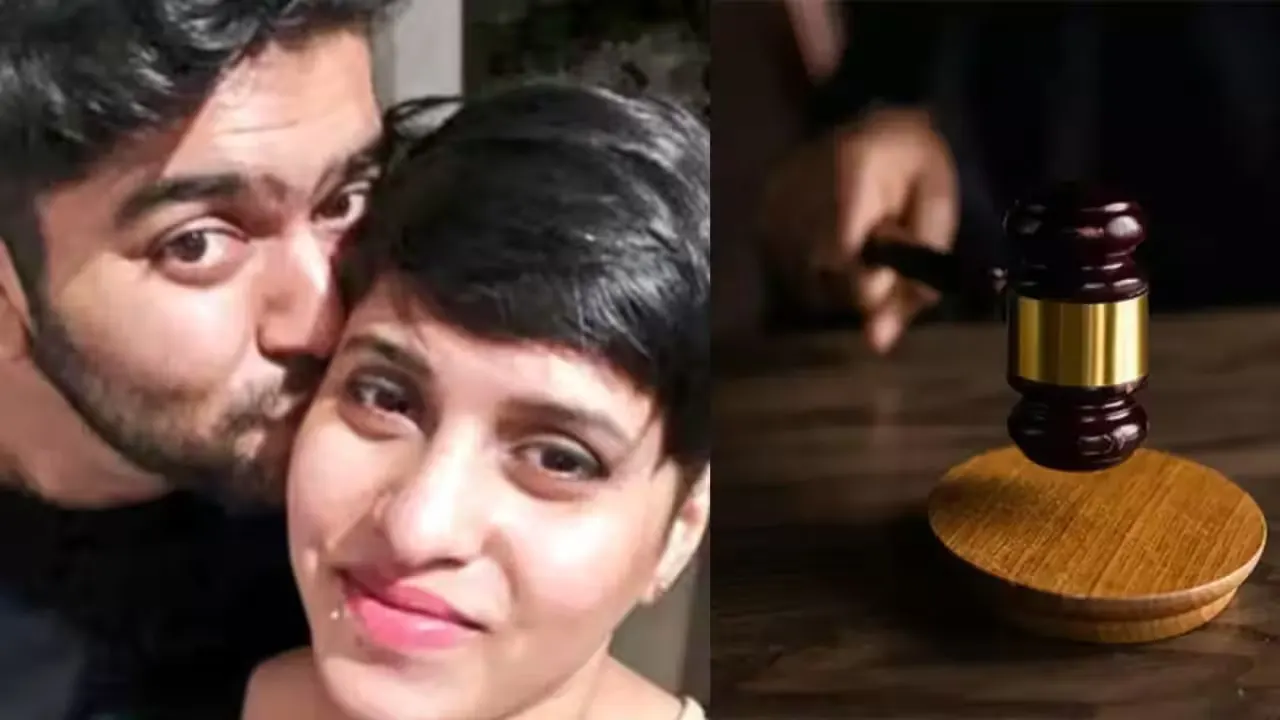
A few specifics make the human cost here concrete. Shraddha's mother passed away in 2020, before the murder even took place. Her father, Vikas Walkar, who spent years pushing for a fast tracked trial, passed away of a heart attack in February 2025, reportedly worn down by the prolonged case. Her grandmother has since passed away too. Today, it's largely her brother, visiting occasionally, and her legal counsel, carrying the fight forward.
Shraddha's friend, Rajat Shukla, has also publicly pushed back against further delays, pointing out that four years have passed and the trial still hasn't concluded, arguing that whatever mercy the court considers extending to Poonawala should instead be extended toward the family that keeps waiting.
Mistakes People Keep Making When Reading This Story
A common misunderstanding is assuming one adjournment means the entire trial has stalled completely. It hasn't, several hearings did proceed earlier this year in quick succession, four or five within a single week, according to the family's counsel, before things began slowing again.
Another mistake is treating each individual request, a medical issue, an academic exam, as isolated and therefore harmless. Individually, sure, they seem reasonable. But stacked over years, in a case this high profile, the cumulative effect is exactly what's fueling public frustration and the Aaftab Poonawala trial delay narrative now dominating headlines.
Read More: SBI Funds Management IPO: Why India's Biggest Asset Manager Going Public on July 14 Actually Matters
Pro Tips For Understanding How Trial Delays Like This Work
If you want to follow this case with real clarity going forward, track two things specifically. Track whether the Delhi High Court actually intervenes following Kushwaha's planned petition, since that would signal judicial willingness to compress the schedule. And track whether case property, meaning Shraddha's remains, gets addressed separately from the broader trial timeline, since that's arguably the most immediate way to offer the family some closure without waiting for a final verdict.
Closing Thoughts
There's something quietly maddening about watching a serious criminal trial get reshuffled around an exam timetable, even when the request itself sits within legal bounds. The Shraddha Walkar murder case delay isn't really about one hearing or one exam. It's about a family that buried two of its members while still waiting for the third chapter, justice, to even properly begin.
Disclaimer: This article is based on information available across the web. Parchar Manch does not take responsibility for its complete accuracy, as the content could not be fully verified.
FAQs
Why was the July 20 hearing in the Shraddha Walkar case cancelled?
Aaftab Amin Poonawala requested exemption from physical production to appear for his final MA Sociology examination through IGNOU, held inside Tihar Jail.
How long has this trial been going on?
The case began in November 2022, charges were framed in May 2023, and the trial remains ongoing more than three years later.
Why can't Shraddha Walkar's family perform her last rites?
Her remains are considered case property under law and cannot be released until the trial concludes.
Who is alleging the defence is deliberately delaying the trial?
Advocate Seema Samridhi Kushwaha, representing Shraddha's family, has made this allegation and plans to seek a speedier hearing from the Delhi High Court.
What happened to Shraddha's parents during this case?
Her mother passed away in 2020 before the murder occurred, and her father died in February 2025, reportedly after years of pursuing the case.
Has the trial faced delays before this exam related one?
Yes, earlier stages including forensic testing procedures were also delayed at various points since Poonawala's 2022 arrest.