Modi Prambanan Temple Visit: Why a 1000 Year Old Shiva Shrine in Indonesia Just Became a Diplomatic Moment
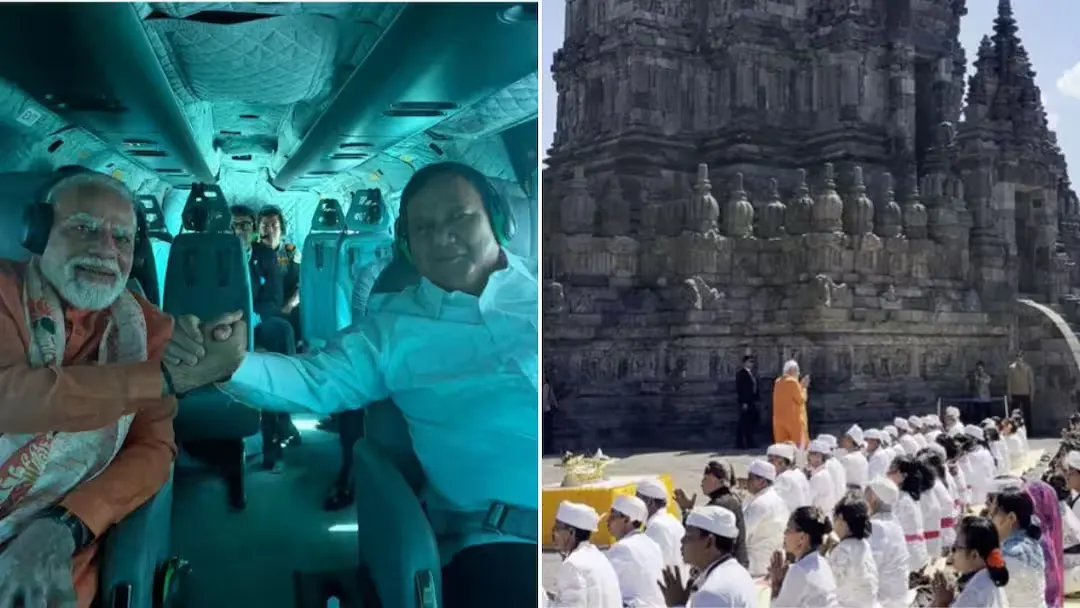
There is a particular kind of quiet that falls over old stone, the kind you only notice when someone important stands still in front of it. That is roughly what happened this week when the Modi Prambanan Temple visit unfolded in Yogyakarta. Narendra Modi, midway through a three nation tour, stood before a nine hundred year old Hindu temple complex, Indonesia's largest, and the moment felt larger than a routine stop. Crowds lined the streets waving flags from two countries. He offered prayers. Somewhere in that gesture, an old civilisational thread got pulled tight again, and it quietly became the most talked about stop of the whole trip.
Why This Actually Matters
You might wonder why a temple visit deserves this much attention when trade deals and defence talks were happening elsewhere on the same trip. Fair thought. But here is the honest answer. The Modi Prambanan Temple moment was not decoration around the real diplomacy, it was part of it. Cultural heritage, handled this way, becomes soft power, the kind that builds trust without a single trade clause. India and Indonesia signed a Letter of Intent for a joint conservation project at this UNESCO World Heritage site just a day before the visit, meaning Indian expertise will now help restore a site most Indians have probably never heard of, despite it honouring gods every Indian household would recognise instantly.
What It Really Is, Explained Simply
Think of Prambanan as a cousin of temples you grew up visiting, except built almost twelve hundred years ago on Indonesian soil, dedicated to Shiva, Vishnu, and Brahma. The Prambanan Temple complex originally held around two hundred and forty shrines, though many collapsed over centuries from earthquakes and neglect, which is exactly why temple restoration matters so much now. At its heart stands a forty seven metre Shiva temple, one of the tallest ancient Hindu structures anywhere. The stone walls carry carvings from the Ramayana, the same epic Indian children grow up with, just chiselled into Javanese rock instead of printed in a book. Familiar stories, unfamiliar soil.
How It Works, Step by Step
So how does a temple visit turn into an actual restoration effort, not just a photograph.
First, diplomatic groundwork gets laid months ahead, ministries from both nations coordinate what is feasible.
Second, a formal Letter of Intent gets signed, which is what happened just before the Modi Prambanan Temple visit, setting the legal basis for India backed temple restoration work, one of the clearest signals that the Modi Prambanan Temple stop was more than symbolic.
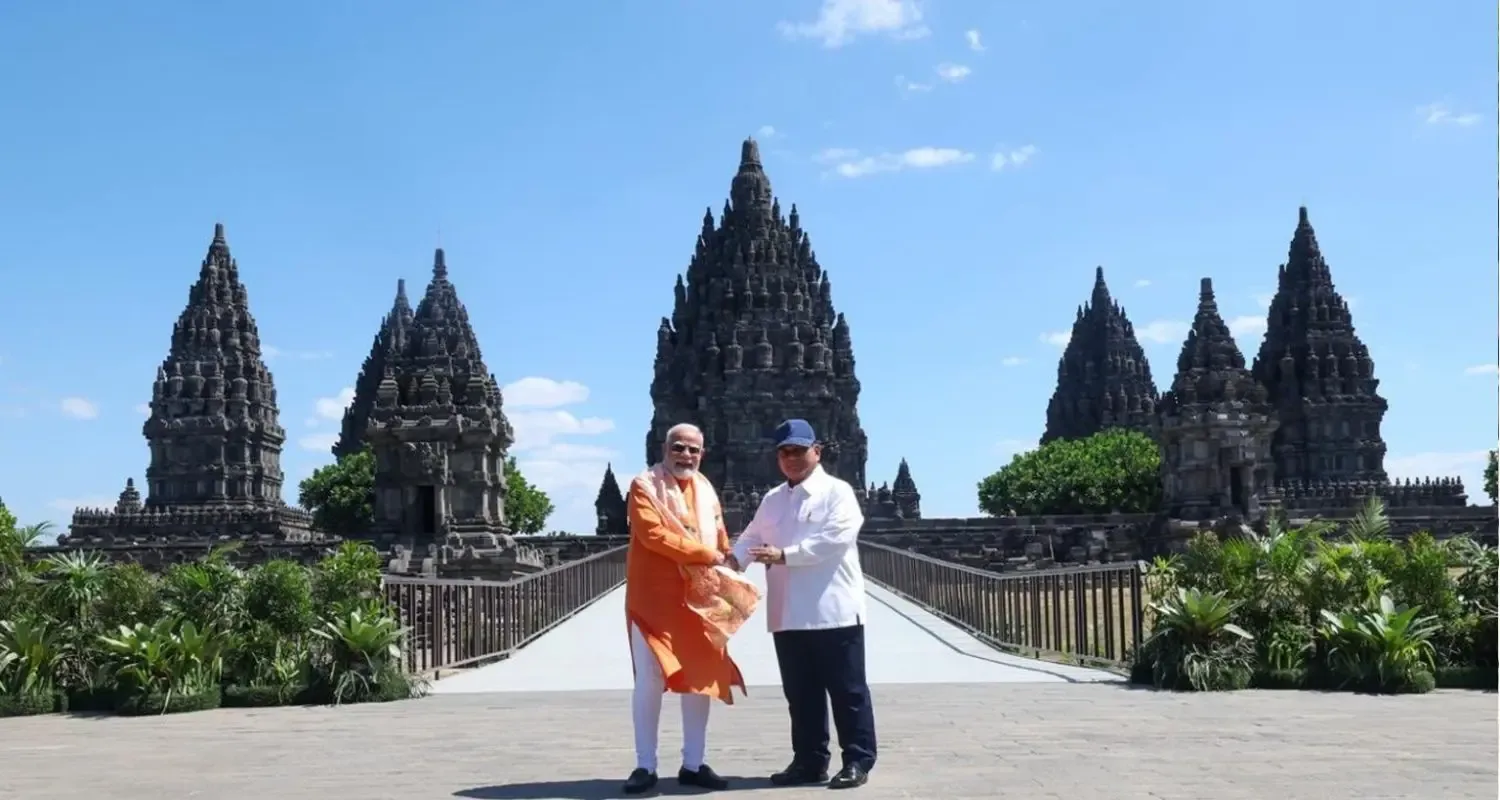
Third, the leaders show up, inaugurate the project publicly, and this visibility pulls funding attention toward UNESCO World Heritage sites that often get ignored.
Fourth, technical teams, archaeologists and conservation architects begin the unglamorous work, stabilising stone, documenting carvings, repairing structural cracks that decades of tropical humidity have caused.
Real World Examples
Picture the temple in ten years, still standing, its Ramayana carvings clearer, safer for the tourists Modi predicted would arrive. Or think of Angkor Wat in Cambodia, where international conservation partnerships turned a crumbling site into one of Asia's most visited destinations. Prambanan Temple restoration could follow a similar arc, Indian expertise combined with Indonesian stewardship, strengthening India Indonesia relations in a way that outlasts any single government.
Mistakes People Keep Making, And Why
A common mistake is assuming a temple visit like this is purely ceremonial, easy to dismiss as a photo between the real business of trade and defence. But that misreads how India Indonesia relations actually work, cultural diplomacy often does the quiet groundwork trade deals later build on. Another mistake is assuming restoration projects move quickly. They rarely do. Conservation work at sites this old typically unfolds over years, sometimes decades, with careful documentation rather than rushed repairs.
Read More: Mountain Lions in California Preserve: How One Predator Quietly Rewired an Entire Ecosystem
Pro Tips That Actually Help
If you want to understand the Modi Prambanan Temple visit properly, track the Letter of Intent itself, that document usually holds the real substance, timelines, funding, and technical scope. Indonesia and India share more cultural threads than most realise, through the Ramayana, through Garuda as Indonesia's national emblem, through festivals like Bali Jatra. This shared history helps you read future visits with more depth. And if heritage travel interests you, this UNESCO World Heritage site is worth watching, as temple restoration progresses it will likely become a prominent stop for Indian tourists heading to Java.
Closing Thoughts
There is something quietly moving about watching two leaders stand before a thousand year old shrine and treat it as diplomacy, not backdrop. The Modi Prambanan Temple visit was not loud, it did not need to be. Old stone carrying old stories says more than any joint statement could. Maybe that is the real lesson, that some bridges between nations were built centuries before either government existed.
Read More: WhatsApp Usernames Are Coming, And Your Phone Number Might Finally Get Some Privacy
Disclaimer: This article is based on information available across the web. Parchar Manch does not take responsibility for its complete accuracy, as the content could not be fully verified.
FAQs
What is the Modi Prambanan Temple visit about?
Prime Minister Modi and Indonesian President Prabowo Subianto jointly inaugurated a conservation project at Prambanan, a UNESCO World Heritage Hindu temple in Yogyakarta, as part of strengthening India Indonesia relations.
How old is Prambanan Temple?
It was constructed in the ninth century, making it roughly twelve hundred years old, and remains Indonesia's largest Hindu temple complex.
What did the Letter of Intent agree to?
India and Indonesia exchanged a Letter of Intent for an India backed conservation initiative at the Prambanan Temple complex, laying groundwork for joint heritage work.
Why is Prambanan significant to Hindus?
The complex is dedicated to Shiva, Vishnu, and Brahma, with carvings depicting scenes from the Ramayana, connecting it deeply to Hindu tradition.
Was this part of a larger visit?
Yes, the Modi Prambanan Temple stop came during a three day Indonesia trip that also included bilateral talks and an address to Parliament.
Will restoration affect tourism?
Modi said he was confident the restoration would draw Indian tourists once conservation work progresses.