SK Hynix Nasdaq Debut: Why a Trillion Dollar Chipmaker Just Made Wall Street History
Friday morning, somewhere between the opening bell and the first hour of trading, a name most Americans have never heard of quietly pulled off the largest stock listing by a foreign company in Nasdaq history. The SK Hynix Nasdaq debut wasn't loud in the way meme stocks or flashy tech unicorns usually are, no fireworks, no viral moment, but underneath that quiet surface sat a 28 billion dollar offering and a company that's become almost impossible to avoid if you've bought a phone, laptop, or anything touched by the AI boom in the last two years.
Shares priced at 149 dollars, opened at 170, and by the time Friday's session wrapped up, the stock had climbed roughly 13 percent to close at 168.01. Not bad for a debut. Actually, genuinely rare for a listing of this size.
Why This Actually Matters
Here's the thing most people miss about semiconductor companies, they feel abstract until you realize how deeply embedded they already are in daily life. SK Hynix makes memory chips, the components that let your phone, laptop, and increasingly every AI data center on the planet store and retrieve information quickly. This Nasdaq listing isn't just a Korean company crossing an ocean for prestige. It's about direct access to the deepest capital markets in the world, and for American investors, it's a rare chance to buy directly into one of the two companies effectively running the global memory chip industry alongside Samsung.
There's also a bigger story here about how AI demand is reshaping entire industries that used to be considered boring. Memory chips, for decades, sat quietly in the background of tech headlines. Not anymore.
What This Listing Really Is, Explained Simply
Think of it like a well established local business, hugely successful in its home country, finally opening a storefront on the biggest street in the world. SK Hynix isn't a startup trying to prove itself, it's the second most valuable company in South Korea, trailing only Samsung, with a market cap already hovering around 1 trillion dollars before this listing even happened.
What actually happened technically is that SK Hynix issued American depositary receipts, essentially certificates representing shares of the Korean company that American investors can buy and trade just like any domestic stock. Ten ADRs represent one actual common share. The company raised close to 26.5 billion dollars through this offering, some reports put the figure closer to 29 billion once fully accounted for, money earmarked specifically for factory expansion and new equipment.
How the Listing Unfolded, Step by Step
Here's the practical sequence of what actually happened around this debut.
- SK Hynix priced its American depositary receipts at 149 dollars ahead of Friday's opening, with demand reportedly exceeding seven times the shares actually available.
- Shares began trading Friday under the temporary ticker symbol SKHYV, opening at 170 dollars before drifting somewhat during the session.
- The stock closed its first day up roughly 13 percent at 168.01 dollars, reflecting strong initial demand from U.S. investors.
- The ticker is expected to transition to its permanent symbol, SKHY, around July 13 or 14, once the "when issued" trading period ends.
- SK Group Chairman Chey Tae-won personally traveled to the United States to attend the listing ceremony, a signal of how significant this moment is for the company.
Each step reflects deliberate planning rather than a rushed decision, this was clearly built to make a strong first impression on American markets.
Real-World Examples That Make This Concrete
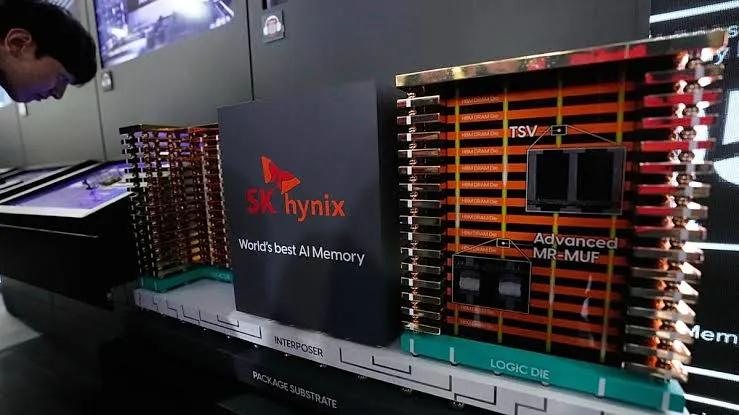
Consider high bandwidth memory, or HBM, the specialized chip technology that powers AI accelerators from companies like Nvidia. SK Hynix has become the leading supplier of this exact component, and Chairman Chey told CNBC directly that AI agents and robots need enormous quantities of memory chips, adding that even after announcing plans to double capacity within five years, customers were telling him it still wouldn't be enough.
Or look at the company's own numbers. Annual revenue nearly tripled between 2023 and 2025, reaching around 65 billion dollars, and analysts now expect that figure to more than triple again in 2026, potentially reaching 235 billion dollars. That's not incremental growth, that's a company riding a genuinely historic demand wave.
Read More: India Summons Meta Over Instagram Child Abuse Ads: What Actually Happened and Why It Matters
Mistakes People Keep Making When Reading This Story
A common mistake is assuming a strong debut day guarantees long term stability. Memory chip businesses are famously cyclical, booms driven by major tech shifts, the dot com era, smartphones, cloud computing, tend to eventually cool off, and SK Hynix's own history includes surviving a brutal supply glut and financial crisis back in 1997 that forced a merger just to stay afloat.
Another mistake is overlooking the so called "Korea discount," the tendency for South Korean companies to trade below their global peers due to concerns over corporate governance and complex conglomerate ownership structures. This listing is partly an attempt to address that discount directly, but whether it actually narrows over time remains genuinely uncertain, something analysts themselves are still debating.
Pro Tips That Actually Help
If you're considering exposure to this stock, it's worth comparing SK Hynix's valuation against direct competitors like Micron and Samsung rather than judging it purely on its dramatic first day performance. Both rivals have also seen their stock prices surge well over 200 percent this year, so the entire memory chip sector is currently running hot, not just this one company.
It's also smart to watch SK Hynix's U.S. expansion closely, specifically its new 4 billion dollar advanced packaging facility being built in Indiana, expected to complete around 2028. That build out, partly supported by CHIPS Act funding, signals long term commitment to the American market rather than just a one time capital raise.
Read More: Alia Bhatt Alpha Spy Thriller Finally Hits Theatres, But the Numbers Tell a Complicated Story
Closing Thoughts
There's something quietly fitting about a company that spent decades surviving supply gluts and industry mergers finally arriving on Wall Street not as an underdog, but as a trillion dollar juggernaut riding the exact wave everyone's been talking about for two years now. The SK Hynix Nasdaq debut captures something bigger than one company's success story, it's a reminder of how quickly an entire industry considered sleepy for decades has become one of the most consequential corners of the global economy.
Read More: BAT-BMS App E-Rickshaws Scandal: How a Chinese Battery Tool Became India's Weirdest Road Hazard
Disclaimer: This article is based on information available across the web. Parchar Manch does not take responsibility for its complete accuracy, as the content could not be fully verified.
FAQs
What ticker symbol does SK Hynix trade under on Nasdaq?
The stock initially traded as SKHYV and is expected to transition to its permanent ticker, SKHY, around July 13 or 14
How much money did SK Hynix raise in its Nasdaq listing?
Reports place the figure between roughly 26.5 billion and 29 billion dollars, making it one of the largest stock listings in history by a foreign company
Why is SK Hynix's memory chip business so important right now?
SK Hynix leads the market for high bandwidth memory, a critical component in AI accelerator chips used by companies like Nvidia, driving explosive recent demand.
How did SK Hynix stock perform on its first trading day?
Shares rose about 13 percent, closing at 168.01 dollars after opening at 170 dollars, following a price of 149 dollars.
What is the Korea discount, and does this listing address it?
It refers to South Korean companies trading below global peers due to governance concerns; the Nasdaq listing is intended to improve investor access and potentially narrow that gap, though results remain uncertain.
Is SK Hynix expanding operations in the United States?
Yes, the company is building a 4 billion dollar advanced packaging facility in Indiana, expected to be completed around 2028, partly supported by CHIPS Act funding.