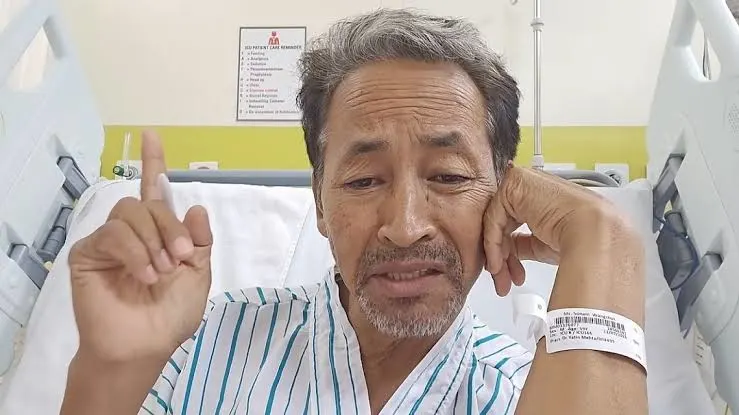
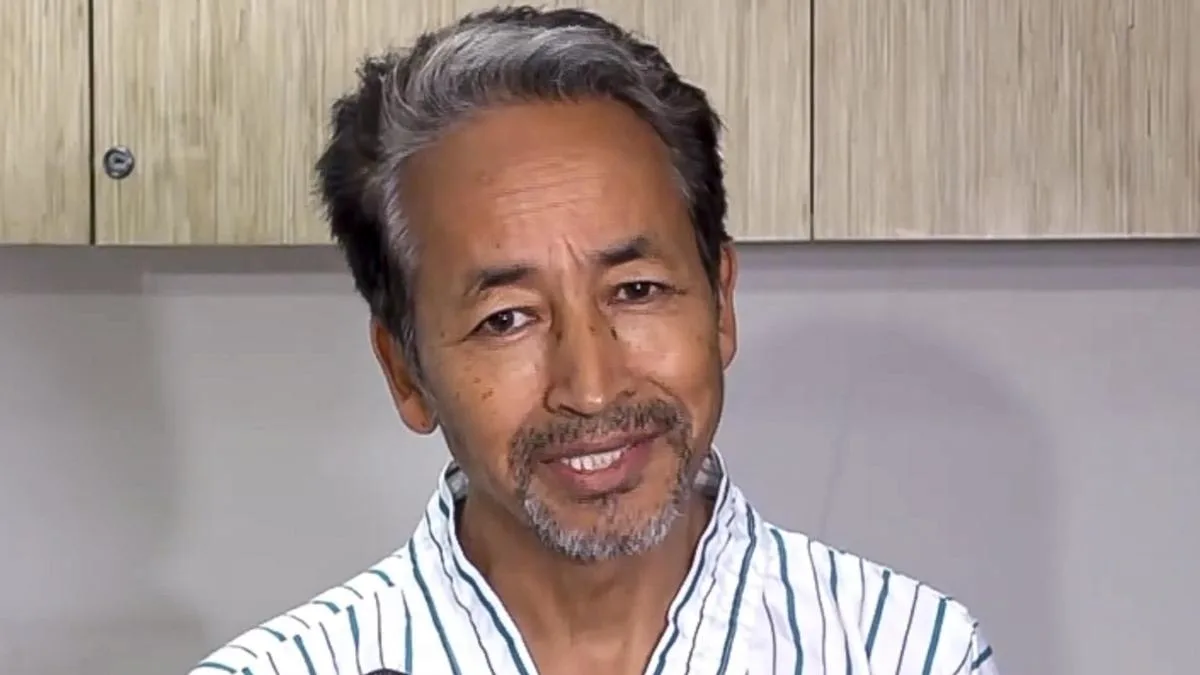
Sonam Wangchuk Hospital Discharge: Why His Monday Release After a 26 Day Fast Matters More Than You Think
There is something quietly heavy about a man walking out of a hospital after twenty six days of refusing food. Not dramatic in the movie sense. Just... heavy. That is the feeling around the news of the Sonam Wangchuk hospital discharge, scheduled for Monday morning at Medanta Hospital in Gurugram. If you have been half following this story on your phone between meetings, this piece will fill in everything you missed, no background required.
Here is the short version first, because you deserve that much honesty upfront. Wangchuk, the well known Ladakh based engineer and climate activist, broke his 26 day fast late on Friday night. He is expected to be discharged around 11.30 am on Monday. From there, he plans to visit Rajghat to pay tribute to Mahatma Gandhi before heading back home to Ladakh. That is the skeleton of the story. Now let us put some flesh on it.
Why This Actually Matters
You might be wondering, fairly, why a hospital discharge deserves an entire article. It is not really about the discharge itself. It is about what led there.
Wangchuk had been protesting in support of students who were raising concerns over alleged irregularities in the NEET examination, the entrance test that decides who gets into India's medical colleges. When he joined that agitation on June 28, he chose the most physically punishing form of protest available to him, an indefinite hunger strike at Jantar Mantar in Delhi. Twenty six days without solid food is not a symbolic gesture. It is a slow, deliberate strain on the body, and doctors will tell you the risks compound with every passing week.
So this story sits at the intersection of student welfare, examination fairness, and one man's decision to put his own body on the line for a cause he did not personally need to fight for. That combination is why people keep searching for updates on the Sonam Wangchuk hospital discharge news, because it touches something bigger than one person's health.
What Actually Happened, Step by Step
Let's walk through the timeline plainly, because the details got scattered across headlines this past week.
- He began his fast on June 28, right after visiting Rajghat, the same place he intends to return to now.
- On July 18, he was forcibly shifted to Safdarjung Hospital. He later said it felt less like medical care and more like detention, his words, not ours.
- Following a Delhi High Court order, he was moved to Medanta Hospital in Gurugram, a private facility better equipped for the kind of monitoring a 26 day fast demands.
- Late Friday night, after sustained appeals from supporters, doctors, and possibly his own body's limits, he broke the fast.
- He has spent the weekend recovering under observation.
- Monday, around 11.30 am, he is expected to be formally discharged.
Notice how much of this involved courts and hospital transfers, not just protest and politics. That is worth sitting with for a second. When a hunger strike stretches this long, it stops being purely a political story and becomes a medical and legal one too.
Real World Context You Should Know
If you are unfamiliar with Wangchuk beyond this news cycle, here is the relevant background, kept simple. He is widely recognised for his education reform work in Ladakh and his innovations in sustainable engineering, including ice stupa artificial glaciers that help farmers manage water scarcity. He is not new to activism either, having previously fasted and marched over Ladakh's demand for constitutional protections.
This time, the cause was different but the method was familiar. Students protesting NEET irregularities needed a louder voice, and Wangchuk lent his, at real personal cost.
Mistakes People Keep Making When Following This Story
A common one, honestly, is assuming a hunger strike ends the moment someone eats again. It does not. Recovery from a prolonged fast is its own delicate process, refeeding has to happen gradually, or it can genuinely harm the body. So do not mistake Friday's decision to break the fast for an instant return to normal health. The hospital stay through the weekend, before Monday's discharge, exists precisely because recovery takes time.
Another mistake is flattening the story into pure politics and missing the human cost. Whatever your view on the protest itself, twenty six days without food is a serious medical event for anyone.
A Few Things Worth Noticing
If you are trying to understand where this goes next, keep an eye on two things. First, whether the NEET related concerns that started this whole chain get addressed by authorities in any concrete way, because that was the entire point of the protest. Second, watch what Wangchuk does once he returns to Ladakh. Given his history, silence rarely lasts long with him.
Closing Thought
There is a particular kind of quiet urgency in someone choosing to stop eating so that other people's concerns get heard. You do not have to agree with every method to recognise the discomfort in watching it play out over weeks, hospital transfers, court orders, and eventually, a Monday morning discharge and a visit to Gandhi's memorial. Some stories end with headlines. This one, more honestly, just pauses. Whether it resolves the way the students protesting NEET actually want, that part is still being written.
Read More: Abhijeet Dipke's Jantar Mantar Sit-In: The NEET Paper Leak Protest That Refused to Go Quiet
FAQs
Why was Sonam Wangchuk in the hospital?
He was hospitalised while recovering from a 26 day hunger strike undertaken in support of students protesting alleged irregularities in the NEET examination. He was first moved to Safdarjung Hospital and later shifted to Medanta Hospital in Gurugram.
When is Sonam Wangchuk being discharged?
He is expected to be discharged from Medanta Hospital on Monday, around 11.30 am, according to his team.
What will he do after being discharged?
He plans to visit Rajghat in Delhi to pay homage to Mahatma Gandhi before departing for Ladakh.
Why did he go on a hunger strike in the first place?
He joined the agitation on June 28 to support students protesting alleged irregularities in the NEET examination, choosing an indefinite fast as his form of protest.
Is a 26 day fast medically dangerous?
Yes, prolonged fasting of that length carries serious health risks, and recovery afterward requires careful, gradual refeeding under medical supervision, which is part of why the hospital stay continued through the weekend.
Has Sonam Wangchuk done this kind of protest before?
Yes, he has a history of activism around Ladakh's rights and sustainable development, including previous fasts and marches, alongside his well known education and engineering work in the region.