Strait of Hormuz Crisis: Why Iran's Closure Of This Narrow Waterway Is Shaking Global Oil Markets
There is a stretch of water, barely 21 miles wide at its narrowest point, that decides how much you pay at the pump. That is the uncomfortable truth sitting underneath every headline about the Strait of Hormuz right now. Iran has kept this passage effectively shut to commercial shipping since late February, and five months later, the ripple effects are still spreading outward, into oil prices, into shipping insurance, into households far from the Persian Gulf.
As of this week, the situation has escalated again. The United States launched fresh strikes on Iran after Tehran fired on commercial vessels in the strait, including two UAE flagged tankers, killing at least one crew member. Iran responded by formally declaring the waterway closed until, in its own words, regional interference by the US ceases.
Why The Strait Of Hormuz Actually Matters To You
You might be wondering why a shipping lane thousands of miles away should matter to your daily life. Here is why. Before this crisis began, roughly a quarter of the world's seaborne oil trade and around a fifth of global liquefied natural gas passed through the Strait of Hormuz every single day, somewhere between 120 and 140 vessels. Now, traffic has dropped to a fraction of that, with recent daily crossings numbering in the thirties instead of the usual near ninety. Brent crude has surged past 84 dollars a barrel, its highest level in a month, and gas prices in the US have climbed to around 3.88 dollars a gallon, roughly 70 cents higher than this time last year. That is not an abstract geopolitical story. That is your fuel bill.
What The Strait Of Hormuz Crisis Really Is
Let me explain this plainly. The conflict traces back to February 28, 2026, when the United States and Israel launched an air campaign against Iranian targets, an operation that included the assassination of Iran's Supreme Leader, Ali Khamenei. In retaliation, Iran closed the Strait of Hormuz to shipping, and the Iranian Revolutionary Guard Corps began issuing warnings, boarding vessels, and laying sea mines in the passage.
Since then, the situation has moved through phases, a temporary ceasefire in April that briefly promised reopening, a US naval blockade of Iranian ports between April and May, and repeated rounds of strikes and counter strikes whenever diplomacy has broken down. Iran has, at various points, allowed some vessels through, mostly oil shipments bound for China and India, sometimes under military escort, while barring anything linked to the US or Israel.
How The Situation Has Escalated, Step By Step
- Iran declared the strait closed in early March, warning that any vessel attempting passage would face attack from Revolutionary Guard forces.
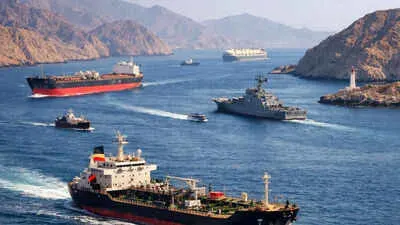
- The US launched an aerial campaign in mid March, targeting Iranian naval vessels and drones involved in enforcing the blockade, aiming to reopen the passage by force.
- A ceasefire briefly took hold in April, only to collapse when follow-up talks in Islamabad failed, prompting a full US naval blockade of Iran.
- Fighting resumed this month, with Iran firing on commercial ships including a tanker struck by an unidentified projectile off the coast of Oman, and the US responding with fresh strikes into Iranian territory, including reported explosions near Bushehr, Bandar Abbas, and Qeshm Island.
Real World Examples Of The Toll This Crisis Has Taken
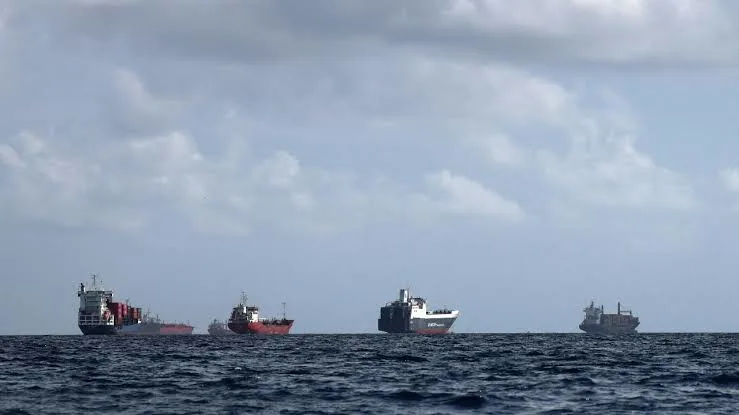
The human and economic cost here is not hypothetical. Tracking data shows at least 17 merchant ships damaged since the crisis began, with several abandoned entirely, two ships captured, and a tugboat sunk. Twelve seafarers have been killed or gone missing, and a port worker was killed with two others wounded in a related incident in Bahrain. Nearly 500 vessels currently sit anchored or stalled near the region, unwilling to risk the crossing. Diplomatically, Iran's Foreign Minister Abbas Araghchi has held multiple rounds of talks with Omani officials in Muscat, discussing what Iran calls appropriate mechanisms for safe passage under existing regional agreements, though significant disagreements remain unresolved.
Mistakes People Keep Making When Following This Story
A common one, assuming the Strait of Hormuz is either fully open or fully closed at any given moment, when the reality has shifted constantly, with Iran at times allowing approved shipments through while blocking others. Another mistake, underestimating how quickly renewed fighting can undo weeks of diplomatic progress, as happened again this month when a ceasefire many assumed was holding collapsed within days.
What To Actually Watch Going Forward
If you want to track where this heads next, pay close attention to the outcome of Oman mediated talks, since Oman has positioned itself as the primary diplomatic channel between Washington and Tehran throughout this crisis. Also worth watching, daily vessel transit numbers and Brent crude pricing, both of which move quickly whenever fighting resumes or a truce is announced, and both function as early signals long before official statements catch up.
Closing Thoughts
Narrow waterways rarely get much attention until they stop working the way the world assumes they always will. The Strait of Hormuz has become exactly that kind of quiet pressure point this year, close enough to a resolution at several moments to feel hopeful, then pulled back into conflict just as quickly. Whatever comes next will likely keep arriving in that same uneven rhythm, a step toward calm, then a step back.
FAQs
Why did Iran close the Strait of Hormuz?
Iran closed it in response to US and Israeli airstrikes that began on February 28, 2026, including the assassination of its Supreme Leader.
How much oil normally passes through the Strait of Hormuz?
Before the crisis, about a quarter of the world's seaborne oil trade and a fifth of global LNG moved through it daily.
Is the Strait of Hormuz still closed right now?
Yes, as of mid July 2026 it remains effectively closed to normal commercial shipping, with daily crossings far below usual levels.
How has this affected fuel prices?
Brent crude has risen above 84 dollars a barrel, and US gasoline prices have climbed to around 3.88 dollars a gallon.
Who is mediating between the US and Iran?
Oman has served as the main diplomatic channel, hosting repeated rounds of talks between Iranian and American officials.
Have there been casualties in this crisis?
Yes, including at least 12 seafarers killed or missing and a port worker killed in Bahrain, alongside dozens of damaged or captured vessels.