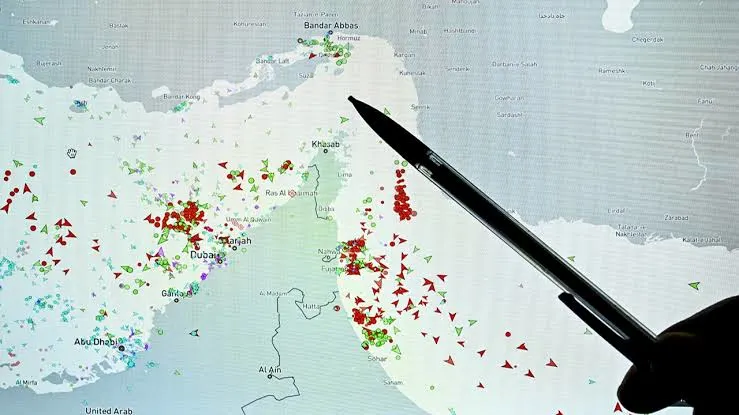
Strait of Hormuz News: Why a 33-Kilometer Waterway Is Now Driving Global Oil Prices
One narrow stretch of water. That is genuinely all it takes. The Strait of Hormuz news cycle right now is dominated by a waterway barely 33 kilometers wide at its narrowest point, and yet it is currently holding roughly a fifth of the world's oil supply hostage to a shooting conflict between the United States and Iran. If that sounds dramatic, well, it is, the numbers back it up.
As of this week, the strait is functionally closed. Ship transits have dropped to near zero, down from around 60 vessels a day in normal times. More than 150 ships, tankers, bulk carriers, container vessels, are currently stranded, either waiting it out or rerouting entirely. War risk insurance premiums have shot up to more than 16 times their usual rate. This is the kind of quiet economic emergency that doesn't always make front page headlines the way missile strikes do, but honestly, it might matter more to your daily life.
Why This Strait of Hormuz News Actually Affects You
You might not live anywhere near the Persian Gulf, but here's the thing, your fuel prices probably do. Roughly 21 percent of the world's oil and around 25 percent of global LNG trade passes through this strait. South Korea and Japan are among the most exposed economies right now, with India, China, and the European Union also facing serious ripple effects. Analysts estimate the daily economic cost of this disruption at over 4 billion dollars. That is not an abstract number, no, that shows up eventually at petrol pumps and in shipping costs for everything from electronics to groceries.
What's Actually Happening: The Conflict Explained Simply
Let me back up and explain this plainly, because the Strait of Hormuz crisis didn't appear out of nowhere. The United States and Iran have been in active, escalating conflict following what officials describe as major combat operations that began earlier this year. A ceasefire, built around a memorandum of understanding signed by both governments, briefly held things together in mid June. Then it fell apart.
Since then, both sides have exchanged repeated strikes. Iran's Revolutionary Guard Corps has targeted commercial vessels moving through the strait, including an attack on a Cyprus flagged container ship that sparked a fire and left a crew member missing. The United States, through its Central Command, has responded with multiple rounds of strikes aimed at degrading Iran's ability to threaten civilian shipping. Iran, for its part, has expanded attacks toward Gulf neighbors including Bahrain, Kuwait, Qatar, and Jordan, and has renewed threats to fully close the strait.
Read More: Alia Bhatt Alpha Spy Thriller Finally Hits Theatres, But the Numbers Tell a Complicated Story
How the Strait of Hormuz Crisis Has Unfolded, Step by Step
- U.S. and Israeli forces launched large scale strikes on Iranian military, government, and infrastructure targets earlier this year.
- Diplomatic delegations from both countries began negotiations based on a memorandum of understanding, briefly easing tensions in mid June.
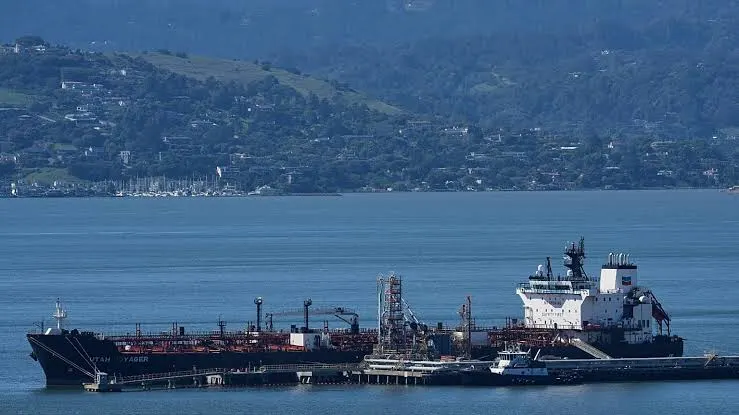
- The ceasefire broke down, and both sides resumed strikes, with Iran targeting commercial vessels in the strait.
- The Strait of Hormuz briefly reopened in late April before closing again within a day, and remains largely shut to commercial traffic now.
- Iran privately told mediators it made a mistake in shooting at commercial ships, blaming hardliners trying to derail negotiations, according to senior U.S. officials.
- The White House has said nuclear talks could resume if Iran publicly confirms the strait is open and commits to stopping attacks on shipping.
That gap, between what Iran reportedly says privately and what it says publicly, is honestly one of the more confusing threads running through this entire story.
Real World Impact: Where the Ships Are Actually Going
With transit through Hormuz reduced to under 2 percent of normal throughput, many vessels are rerouting around the Cape of Good Hope, adding up to 14 extra days to their journeys. Tanker rates on Gulf to Asia routes have reportedly tripled. The U.S. Strategic Petroleum Reserve is providing some cushion, but that buffer only lasts so long if the disruption drags on. For countries like Japan and South Korea, which rely heavily on Gulf energy imports, this is not a distant geopolitical headline, it's a direct hit to national energy security.
Mistakes People Keep Making When Following This Story
It's easy to treat every update in this fast moving conflict as the final word, especially when headlines shift daily between escalation and possible de-escalation. That's understandable, genuinely, this is confusing even for people who follow it closely. But claims from either side, Iranian officials calling strikes acts of aggression, American officials framing their strikes as accountability measures, deserve to be read as competing narratives in an active war, not settled fact, until independently verified.
Pro Tips for Actually Understanding Strait of Hormuz News
Track official statements from CENTCOM, Iran's IRNA and Sepah News, and neutral maritime bodies like UKMTO together, not in isolation, since each source tends to emphasize different details. Watch oil and LNG prices as a practical barometer, they often move faster than diplomatic statements do. And if you're trying to gauge whether things are actually cooling down, pay closer attention to shipping insurance rates and vessel transit counts than to political rhetoric, numbers tend to lag emotion less.
Closing Thoughts
There's something quietly unsettling about how much of the modern world runs through one narrow channel of water. A strait most people couldn't point to on a map a year ago is now shaping fuel prices from Seoul to Stuttgart. Whether this settles through renewed talks or drags on for months, the Strait of Hormuz news will likely keep surfacing in unexpected corners of daily life, your fuel bill, your shipping delays, long after the missile headlines fade.
Read More: India Summons Meta Over Instagram Child Abuse Ads: What Actually Happened and Why It Matters
Disclaimer: This article is based on information available across the web. Parchar Manch does not take responsibility for its complete accuracy, as the content could not be fully verified.
FAQs
Is the Strait of Hormuz currently open or closed?
It is functionally closed to normal commercial traffic, with ship transits down to near zero from a typical 60 vessels a day.
Why does the Strait of Hormuz matter for oil prices?
Roughly 21 percent of global oil supply and 25 percent of LNG trade normally passes through it, so disruption there directly affects global energy prices.
What triggered the current crisis?
Renewed U.S. and Iran strikes after a ceasefire, built on a memorandum of understanding, broke down in the wake of attacks on commercial shipping.
Which countries are most affected economically?
South Korea and Japan face the highest exposure, with India, China, and the European Union also significantly impacted.
Are ships finding alternative routes?
Yes, many vessels are rerouting via the Cape of Good Hope, adding up to 14 extra days and sharply higher shipping costs.
Could the situation still de-escalate?
Possibly. U.S. officials have said nuclear talks could resume if Iran publicly confirms the strait is open and halts attacks on commercial vessels.