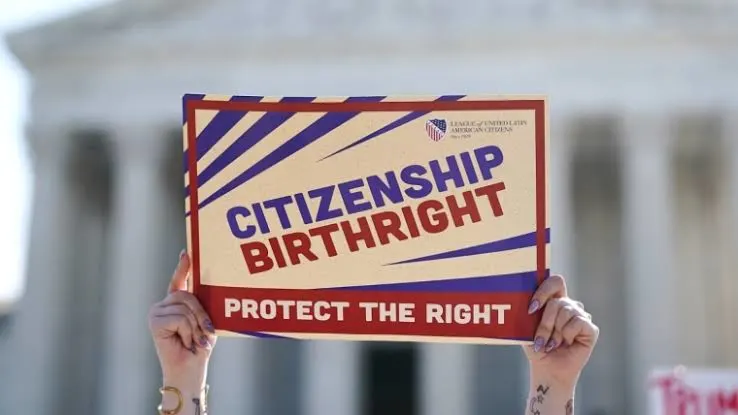
Supreme Court Birthright Citizenship Ruling: Why This 6-3 Verdict Just Changed the Immigration Debate Forever
There's a particular kind of news that makes you stop scrolling. Not because it's shocking, exactly, but because it settles something that felt genuinely unsettled for over a year. That's what happened on June 30, 2026, when the Supreme Court birthright citizenship ruling landed, and it landed hard against President Trump.
Why This Actually Matters, Even If You're Not American
Here's the thing. This wasn't some abstract legal footnote. Millions of families, immigrants, students on visas, green card applicants, had spent over a year not knowing whether their children born on American soil would automatically become citizens. That uncertainty is exhausting. It shapes decisions about where to live, where to give birth, whether to travel at all. So when the court finally ruled, it wasn't just lawyers who exhaled.
Read More: Awarapan 2 Teaser Out: Emraan Hashmi Returns As Shivam Pandit After 19 Long Years
What The Case Was Actually About
The case, officially called Trump v. Barbara, challenged Executive Order 14160, signed by Trump on the very first day of his second term back in January 2025. The order tried to say that children born in the US to parents who were undocumented, or only temporarily present on visas, would not be considered citizens under the 14th Amendment.
Think of it like this: the Citizenship Clause has been read for over a century, since the landmark 1898 case Wong Kim Ark, to mean if you're born on US soil, you're a citizen, almost no exceptions. Trump's order tried to carve out a large exception. Every single lower court that reviewed it called it unconstitutional before it even took effect.
How The Ruling Actually Came Down
Chief Justice John Roberts wrote the majority opinion in a 6-3 decision, joined by Sotomayor, Kagan, Barrett, and Jackson. Barrett was the one conservative justice who crossed over. Roberts wrote something that's already being quoted everywhere: citizenship is the right to have rights, and the Framers of the 14th Amendment extended that promise to every free born person in this land.
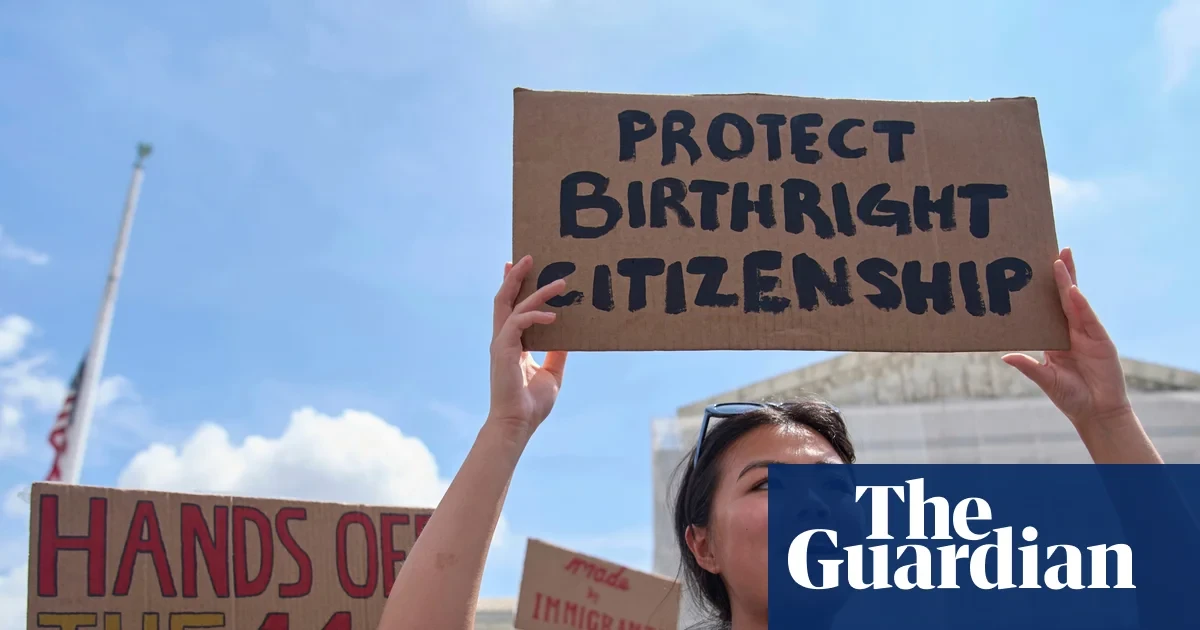
Kavanaugh concurred in the judgment but dissented in part, hinting Congress might still have statutory room to maneuver. Thomas dissented, joined by Gorsuch, arguing the Citizenship Clause carried more nuance than the majority admitted. Alito and Gorsuch also filed separate dissents.
What Happens Now, Practically Speaking
For most families, nothing changes, and that's the point. Birthright citizenship stays exactly as it's always worked. But a few things are moving fast:
- The Department of Justice announced it will now investigate so called birth tourism schemes, where pregnant travelers come specifically to deliver in the US.
- House Speaker Mike Johnson said Congress may try to legislate around the edges, though Kavanaugh's own opinion cast doubt on how far a statute could go.
- Some Republican lawmakers, including Senator Eric Schmitt, are already pushing a constitutional amendment to limit citizenship to children of citizens or permanent residents, though that route needs two thirds of Congress and 38 states to ratify.
Mistakes People Keep Making When Talking About This
A lot of coverage treats this as if birthright citizenship rules just changed. They didn't. The order never actually took effect anywhere; it was blocked by courts from day one. The ruling confirmed the existing rule, it didn't create a new one. That distinction matters if you're explaining this to someone who's anxious about their own status.
Read More: Akanksha Chamola Confirms Split From Gaurav Khanna: What Really Happened on Lock Up 2
Pro Tip For Anyone Actually Affected
If you're a temporary visa holder or an international student in the US, this ruling means your American born child remains a citizen automatically. No forms, no applications. That said, keep an eye on any DOJ birth tourism guidance, since enforcement language there could still create friction at borders even without changing the underlying law.
A Quiet Closing Thought
What stays with me is how close this was. One vote the other way, and over a century of settled constitutional understanding could have cracked open. That fragility is worth remembering long after the headlines fade.
Read More: Mountain Lions in California Preserve: How One Predator Quietly Rewired an Entire Ecosystem
Disclaimer: This article is based on information available across the web. Parchar Manch does not take responsibility for its complete accuracy, as the content could not be fully verified.
FAQs
Did the Supreme Court change birthright citizenship rules?
No. The court upheld the existing rule under the 14th Amendment and struck down Trump's executive order attempting to limit it.
What was the vote count in Trump v. Barbara?
The ruling was 6-3, with Chief Justice Roberts writing the majority opinion joined by Sotomayor, Kagan, Barrett, and Jackson.
Can Congress still limit birthright citizenship?
Possibly through statute, though justices disagreed on how much room Congress actually has. A full constitutional amendment is also being discussed but faces a very high bar.
What is birth tourism, and is it now illegal?
Birth tourism refers to traveling to the US specifically to give birth so the child gains citizenship. It isn't illegal, but the DOJ has announced plans to investigate related schemes.
Does this ruling affect legal visa holders too?
Yes. The original executive order would have applied to children of students and green card applicants too, not just undocumented immigrants, which is part of why the ruling matters so broadly.