Supreme Court Rejects Plea Against Ballot Papers in Punjab Local Body Polls: What the EVM vs Ballot Paper Battle Really Means
Punjab local body elections ballot paper controversy was never just about paper and machines. It was about who controls the rules of the game, and when it is too late to change them.
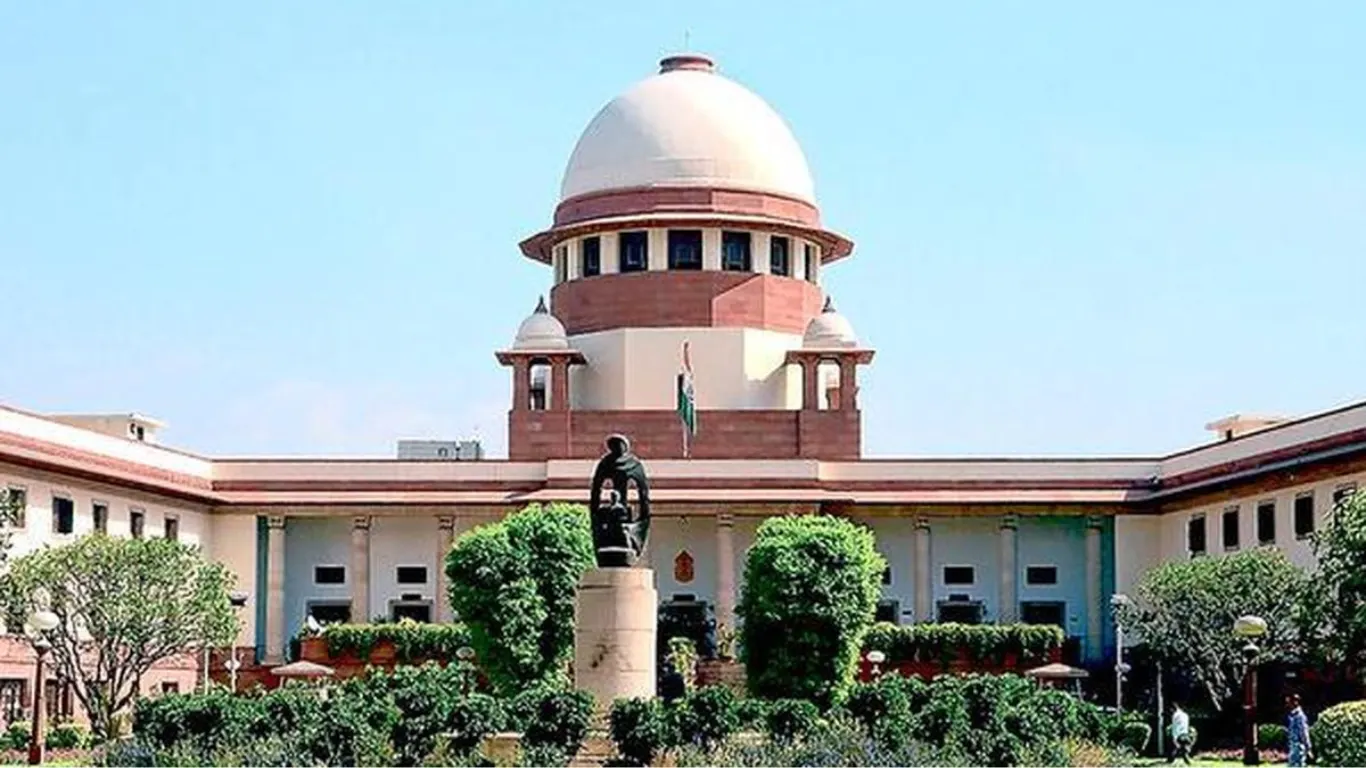
On May 25, 2026, the Supreme Court of India refused to interfere with the Punjab State Election Commission's decision to hold municipal elections using traditional ballot papers instead of Electronic Voting Machines (EVMs). A bench comprising Chief Justice Surya Kant and Justices Joymalya Bagchi and Vipul M Pancholi questioned petitioner Ruchita Garg over approaching the court at a late stage and observed that the court could not destabilise the election process at this point.
The words from the bench were blunt. "Elections are tomorrow, what can be done now? There is no time left," the bench said. That single line said everything.
Why Punjab Was Going Back to Ballot Papers at All
This is the part most headlines skipped over. The switch was not political theater. It was logistical failure.
The SEC had earlier told the High Court that the local body polls were being conducted through ballot papers as the Election Commission failed to provide EVMs according to the schedule decided by it. In simple terms: the EVMs were promised, the schedule was agreed upon, and then the machines did not show up on time.
Read More: Your Chrome Browser Has Critical Security Holes , Here Is What Google Just Did About It
The Punjab State Election Commission maintained that even if the required EVMs arrived in the state, the complete administrative preparation — which includes testing, allocation, and final setup for poll day — demands a minimum of 15 days. Although the Election Commission had dispatched the requested EVMs from Rajasthan on Thursday morning, the machines had not yet arrived in Chandigarh. This delay eliminated any realistic possibility of deploying and calibrating the electronic units before the May 26 voting date.
That is the core of this entire episode. Not ideology. Not a conspiracy. A supply chain breakdown that left the Punjab State Election Commission (SEC) with no practical option but to fall back on ballot papers.
What the Petitioner Argued and Why the Court Said No
Petitioner Ruchita Garg had challenged the SEC's decision first before the Punjab and Haryana High Court. When that court turned her down, she moved the Supreme Court via a Special Leave Petition (SLP).
Senior Advocate Nachiketa Joshi, for the petitioner, submitted that it was the first time that ballot papers were being used in the recent past. He pointed out that the Supreme Court has observed that EVMs are the norm. That argument has real legal weight — the court has said before that EVMs are the preferred standard in Indian elections.
But the timing argument collapsed it. The bench told the petitioner: "There was no need for you to wait for the formal notification of the election schedule being issued. You knew that elections are to be held. There have been several rounds of litigations earlier."
Essentially, the court was saying: you knew this was coming. You waited. You cannot now ask us to undo everything the night before voting begins.
Justice Bagchi said that the court will not "second-guess" the decision of the SEC, and cannot interfere with an ongoing election process. The court noted that while EVMs have been introduced, the law does not mandate their exclusive use, and authorities may revert to the traditional ballot system where circumstances so require.
That legal clarity is important. EVMs are preferred, not compulsory. The SEC had legal ground to stand on.
The Scale of the Election and What Was Actually at Stake
Polling for 104 municipal bodies, including eight municipal corporations in Punjab, was scheduled for May 26. The counting of votes was set for May 29. Over 7,500 candidates were in the running across these urban local bodies — municipal corporations, municipal councils, and nagar panchayats.
Read More: Sundar Pichai Just Redefined Google Search, and It Was Over a Pint
This was a significant civic exercise. A last-minute court-ordered halt would have meant postponing a process that had already consumed months of preparation, nominations, and campaigning.
The Supreme Court also declined another request from the petitioner's side. The apex court refused to appoint an observer in the elections, calling it a very serious interdiction.
Read More: Google's REPLIQA Program: How Quantum AI and Life Sciences Are About to Change Medicine Forever
Is Going Back to Ballot Papers a Problem?
Honestly, this is where opinions split. One school says ballot papers are slower to count, easier to stuff, and harder to audit at scale. Another says physical paper leaves a tangible trail that digital machines cannot always match.
The court's own view was that the law does not mandate EVMs exclusively, and authorities may revert to the traditional ballot system where circumstances so require. So legally, this was not wrong. Whether it was ideal is a separate conversation.
What made it controversial was the optics — a state government switching voting methods days before polling, even if for procedural reasons.
What This Ruling Means Going Forward
The Supreme Court left one door open. The High Court observed that the parties are free to challenge the election later through an election petition. That means if anyone has evidence that the ballot paper process was misused or manipulated, the legal route remains available after polling and counting conclude.
The bigger takeaway here is about electoral administration. A disruption this close to polling day should simply not happen. EVMs need to be requisitioned, tested, and deployed well before an election date is finalized. That administrative gap — between promise and delivery — is what created this entire legal storm.
Read More: Cockroach Janta Party Founder Abhijeet Dipke Faces Caste Attacks After Revealing Dalit Identity on X
Disclaimer: This article is based on information available across the web. Parchar Manch does not take responsibility for its complete accuracy, as the content could not be fully verified.
FAQs
Why were ballot papers used instead of EVMs in the Punjab local body polls 2026?
The Election Commission failed to deliver EVMs to Punjab on the agreed schedule. Even when they were dispatched from Rajasthan, they arrived too late for the mandatory testing and setup required before polling day.
What did the Supreme Court say about the petitioner's plea?
The court dismissed the plea, noting the petitioner approached the court too late. It said it could not destabilise an election scheduled for the very next day.
Does Indian law mandate the use of EVMs in all elections?
No. While EVMs are considered the preferred standard, Indian law does not make their use compulsory. Authorities can legally use ballot papers when circumstances require it.
Can the court's decision be challenged after the elections?
Yes. The High Court clarified that affected parties can file an election petition after polling and counting are completed if they have valid grounds.
Who was the petitioner and what case number was filed?
The petitioner was Ruchita Garg. The case was registered as SLP(C) No. 18893/2026, Diary No. 32732/2026.
How large were the Punjab local body elections of 2026?
The elections covered 104 municipal bodies including eight municipal corporations, with over 7,500 candidates contesting. Voting took place on May 26 and counting was scheduled for May 29.