Tata Sons Board Meeting: The Crisis Inside India's Most Powerful Conglomerate
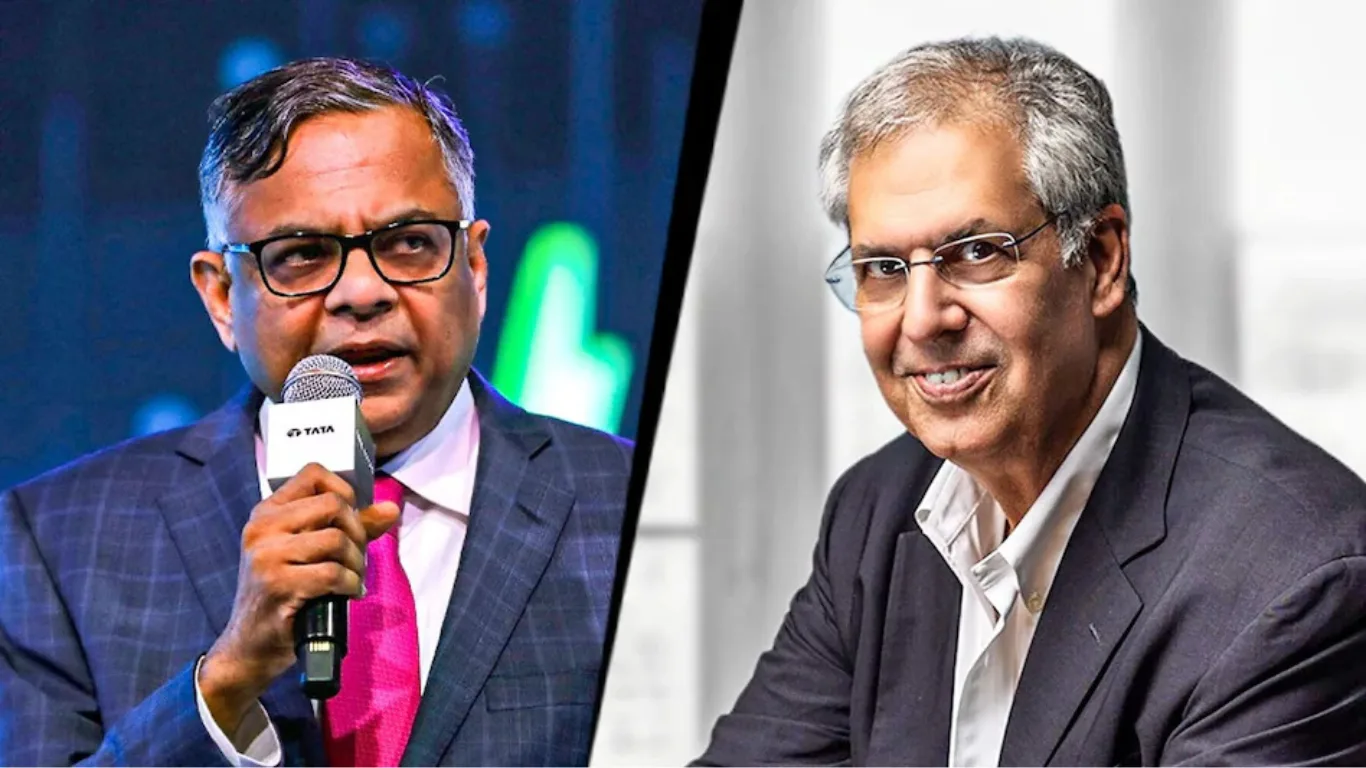
Tata Sons board meeting on May 26, 2026 is not just another quarterly review. It is, by most accounts, one of the most consequential gatherings in the group's recent history. Losses are mounting. Leadership tensions are visible. And the future of a company that manages over 100 businesses and touches nearly every Indian's daily life is quietly, urgently up for debate.
Why the Tata Sons Crisis Matters to Every Indian
The Tata Group is not just a company. It is, in many ways, a piece of national identity. Tata salt on your kitchen shelf. Tata cars on Indian roads. Air India carrying Indian passengers to the world. When something goes wrong at Bombay House, it doesn't stay inside those walls.
The group has seen a lot of top-level friction lately, including expulsions or attempts to expel some members, and a deferment on the continuation of its chairman. That is remarkable for a group that has historically projected quiet authority. The fact that it is now playing out in public news cycles signals something deeper is shifting.
What Is Tata Sons, and Why Is Its Board Meeting So Significant
Think of Tata Sons as the engine room of the Tata Group. It is the holding company that owns stakes in major Tata businesses like TCS, Tata Motors, Air India, and Tata Digital. Tata Trusts holds 66 per cent of Tata Sons' equity and can nominate one-third of its board.
So when the Tata Sons board meets, it is not just a financial formality. The people in that room decide the direction of an empire.
The Core Problem: Loss-Making Companies Under the Microscope
Chairman N Chandrasekaran is preparing to present a detailed strategy for some of the group's loss-making businesses during the board meeting. The discussion is expected to focus on Tata Digital and Air India, two businesses that have attracted significant investments but continue to face profitability challenges.
Air India is perhaps the most visible wound. Air India reported a net loss of around Rs 10,859 crore in FY25, with reports suggesting losses could widen further in FY26 due to restructuring and aircraft upgrade costs.
Read More: Why China’s Wang Yi Is Skipping the BRICS Delhi Meet — And What It Signals for Global Diplomacy
Then there is Tata Digital, the group's ambitious bet on the consumer internet space. And Tata Electronics, which is pushing into semiconductor manufacturing with a massive footprint. The group has significantly increased investments in semiconductor expansion through Tata Electronics, including the $11 billion Dholera semiconductor fab and partnerships with ASML, along with a growing focus on AI infrastructure and data centre capacity in India.
These are big bets. The kind that take years to pay off. The kind that require patience, capital, and trust between stakeholders. Right now, at least one of those ingredients is in short supply.
The Noel Tata Factor: A Powerful Voice of Dissent
Noel Tata is concerned over mounting losses at Tata Sons, especially the ones by new businesses started under Chandrasekaran's tenure, like Tata Digital and the electronics ventures, and also the financially struggling carrier Air India.
At the last board meeting, Noel Tata reportedly questioned high capital expenditure on new ventures including semiconductors, and losses at Tata Digital and Air India. Others defended Chandrasekaran, noting these businesses have long gestation periods.
That defence is not unreasonable. Building a semiconductor fab or turning around a national carrier in two years is not realistic. But patience has limits, and capital allocation decisions cannot wait indefinitely.
Read More: Tamil Nadu Hung Assembly 2026: Why Vijay's Historic Win Is Hanging by a Thread
Chandrasekaran's Reappointment: The Question Behind the Question
Much of the meeting's underlying tension connects to the question of whether N Chandrasekaran will be reappointed for a third term. Chandrasekaran took charge in February 2017 for a five-year term, which was renewed in 2022 for another five years. His current term ends in February next year.
In the Tata Group system, the chairman's reappointment requires unanimous approval, and the ongoing disagreement has complicated that process. The February 2026 board meeting reportedly failed to resolve the matter after pushback from the Trusts.
Ahead of May 26, Chandrasekaran and Noel Tata are understood to have met over the weekend to discuss the performance of the companies. Whether that meeting broke any ice remains to be seen.
The Listing Debate: A Quiet but Explosive Issue
Layered beneath all of this is the question of whether Tata Sons should be listed on Indian stock exchanges. Noel Tata has maintained that Tata Sons should remain unlisted, although RBI rules make this difficult.
Several board members and governance experts have pushed back, arguing that listing would bring transparency and accountability. Noel Tata has opposed it, while others have backed it. This is a philosophical disagreement, not just a financial one, and it goes to the heart of what the Tata Group wants to be as it enters its next chapter.
What Investors and Markets Are Watching
Markets have already responded. Shares of Tata group-listed companies rose ahead of the board meet, with investors hoping for clarity on the group's future strategy, investment direction, and how the group plans to balance growth ambitions with financial performance.
The outcome of May 26 will signal whether the group can align its internal voices around a coherent strategy, or whether the friction visible at the top will slow decisions at a moment when speed matters.
Closing Thoughts
There is something quietly fascinating about watching a group as storied as Tata navigate this kind of internal reckoning. Most family-influenced conglomerates deal with succession tensions eventually. The question is whether those tensions produce clarity or paralysis.
The Tata Group has the assets, the brand, and the talent to navigate this. What it needs now is alignment at the top. The May 26 meeting will not resolve everything. But it will tell observers a great deal about which direction the wind is blowing inside Bombay House.
Disclaimer: This article is based on information available across the web. Parchar Manch does not take responsibility for its complete accuracy, as the content could not be fully verified.
Read More: Cockroach Janta Party Founder Abhijeet Dipke Faces Caste Attacks After Revealing Dalit Identity on X
FAQs
What is the Tata Sons board meeting about on May 26, 2026?
The board is meeting to review the performance of loss-making group companies including Air India, Tata Digital, and Tata Electronics, and to hear a strategic roadmap from Chairman N Chandrasekaran.
Why is Air India's loss significant for the Tata Group?
Air India reported a net loss of roughly Rs 10,859 crore in FY25, and further losses are anticipated in FY26 due to restructuring costs. It is one of Chandrasekaran's most high-profile bets and the most visible example of the group's financial strain.
Who is Noel Tata and what is his role in this controversy?
Noel Tata is the chairman of Tata Trusts, which owns 66 per cent of Tata Sons. He is a nominee director on the Tata Sons board and has raised concerns about the capital allocated to new ventures and the growing losses across them.
Will Chandrasekaran be reappointed at the May 26 meeting?
According to sources, any decision on Chandrasekaran's reappointment is unlikely at this meeting. His current term runs until early 2027, giving some time before a formal decision is required.
What is the Tata Sons IPO debate about?
There is an ongoing internal disagreement about whether Tata Sons should be listed on Indian stock exchanges. Noel Tata is against it, while others within the board support it for reasons of transparency and governance. RBI regulations make staying unlisted increasingly difficult.