Trump Calls Netanyahu and Hezbollah on the Same Day — And the Middle East Held Its Breath
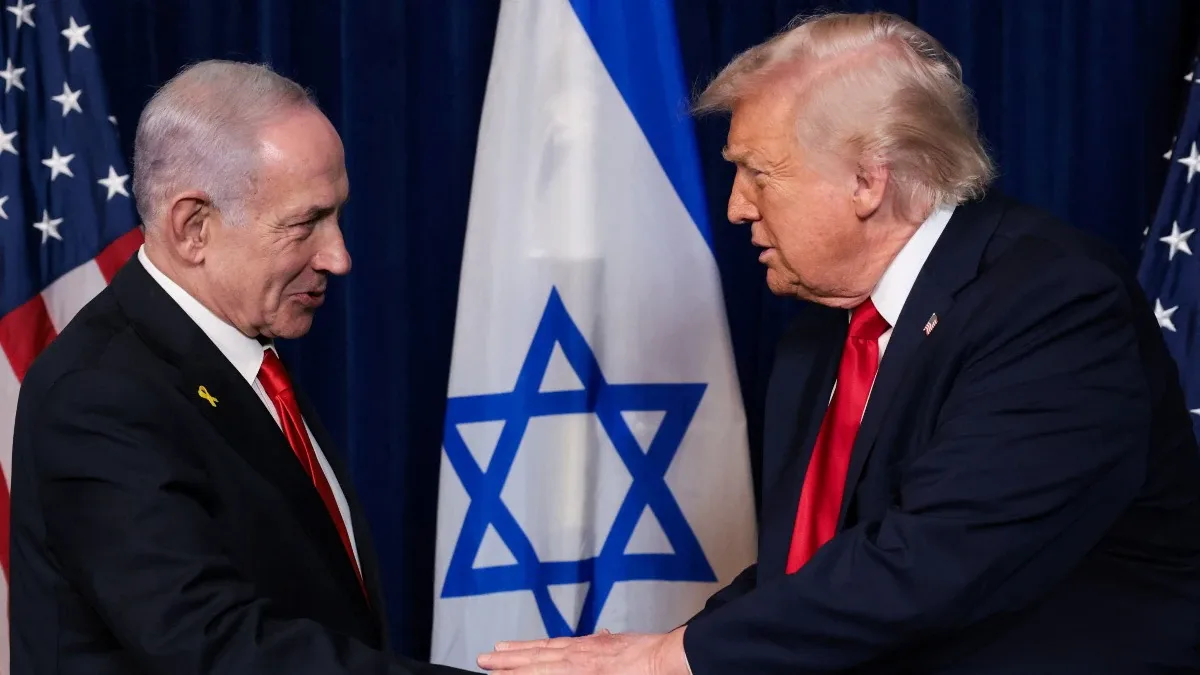
Trump Netanyahu Hezbollah ceasefire is not a phrase you expect to see on a Monday morning. But that is exactly what happened on June 1, 2026, when U.S. President Donald Trump made two very different phone calls one to Israeli Prime Minister Benjamin Netanyahu, and one, through what he called "highly placed representatives," to Hezbollah and announced a fresh halt to hostilities in Lebanon.
There is a lot to unpack here. Let's go through all of it.
What Trump Actually Said — and How He Said It
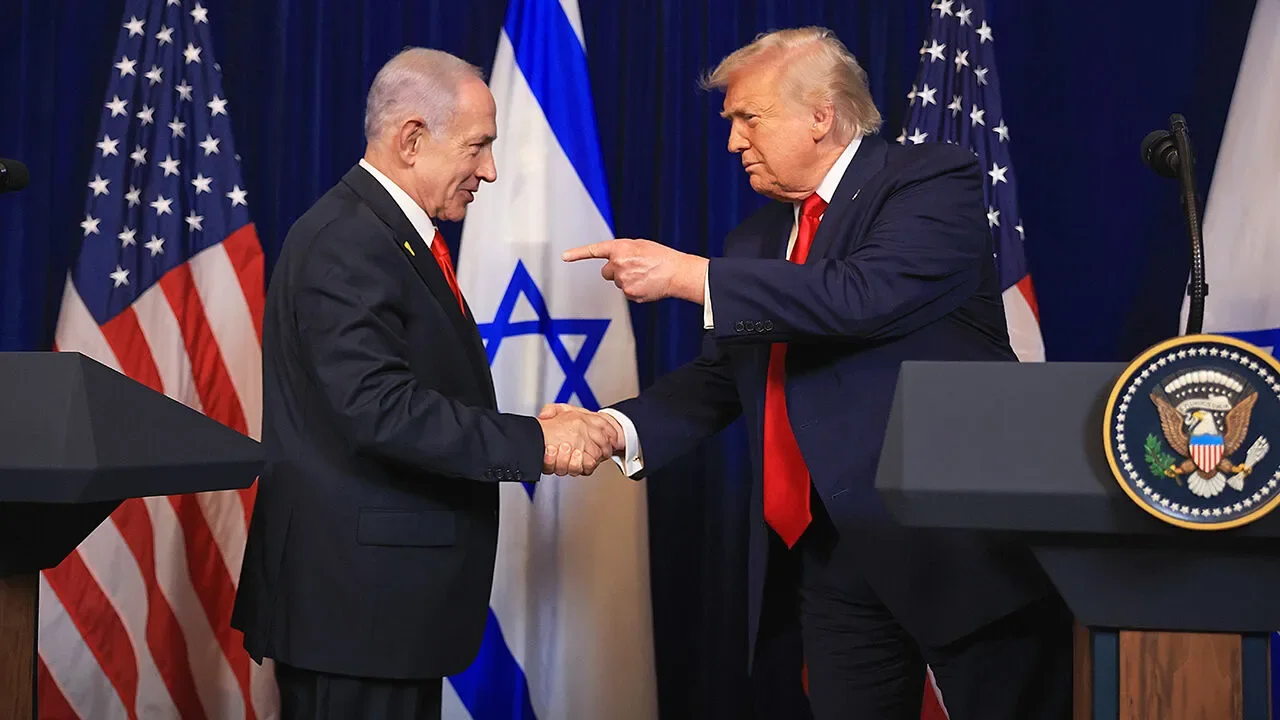
Trump posted on social media that he had held "a very productive call" with Netanyahu, and that during that call, Israel agreed there would be "no Troops going to Beirut," with any forces already on their way turned back.
Then, in the same post, he went further. Trump stated that through "highly placed Representatives," he also had "a very good call with Hezbollah," and they agreed that "all shooting will stop that Israel will not attack them, and they will not attack Israel."
That is a remarkable sentence. The sitting U.S. president publicly claiming direct back-channel communication with Hezbollah a group the U.S. itself designates as a terrorist organization is not a small thing. It signals how urgently Washington wanted the situation in Lebanon contained.
Why Lebanon Was on the Brink Again
To understand why any of this mattered, you need to know what was happening hours before Trump's announcement.
More than one million people have been forcibly displaced across Lebanon since fighting between Hezbollah and Israel escalated on March 2. A ceasefire had been brokered back in April, but it was visibly unraveling. Israel had been threatening strikes on Beirut's Dahieh district a dense residential area in the south of the capital that also serves as a Hezbollah stronghold.
Axios quoted U.S. officials as saying Trump was furious during the call with Netanyahu, reportedly saying "everybody hates Israel" because of its threats to bomb Beirut. Despite Trump's public framing of the call as "very productive," behind the scenes it was tense.
How Hezbollah Came to the Table — Through Lebanon's Parliament Speaker
The mechanics of how Washington communicated with Hezbollah are worth understanding. Lebanon's parliament speaker Nabih Berri informed the Trump administration of Hezbollah's readiness for a ceasefire, with his top advisor Ali Hamdan telling Axios: "I called the US ambassador to Beirut, Michel Issa, on Sunday and told him on behalf of Speaker Berri that Hezbollah will be ready to totally commit to a comprehensive ceasefire and we are ready to guarantee it."
Berri, who heads Lebanon's Amal Movement, has long served as a de facto political intermediary for Hezbollah. This kind of layered diplomacy — where no one formally talks to a designated terrorist group, but everyone talks to someone who does — is how much of the Middle East actually operates.
According to Lebanon's embassy in Washington, the ceasefire agreement calls for Israel to refrain from strikes on Beirut and its suburbs, while Hezbollah halts its attacks on northern Israel.
Netanyahu Said Something Different. Immediately.
Here is where it gets complicated. After Trump's announcement, Netanyahu said the Israeli military would continue striking southern Lebanon "as planned." Defense Minister Israel Katz denied there was a ceasefire in Lebanon.
So within hours of Trump saying the guns would go quiet, Israel's own defense minister said there was no ceasefire. That is the kind of contradiction that keeps diplomats and journalists up at night.
What appears to have happened: Israel postponed the Beirut strike specifically — the threatened assault on Dahieh — at U.S. request, while retaining the right to continue operations elsewhere in the south.
The Iran Dimension — And Why It Complicates Everything
None of this exists in isolation. The United States and Iran have been in active, high-stakes nuclear and ceasefire negotiations. Senior Iranian leaders accused the U.S. of violating ceasefire terms due to Israel's actions in Lebanon, with Iran's parliament speaker posting that the "naval blockade and escalation of war crimes in Lebanon" represented "clear evidence of U.S. noncompliance."
Iran then suspended its back-channel message exchanges with Washington. Iran threatened to keep the Strait of Hormuz closed, a move that would disrupt a significant portion of global oil shipments
Trump, for his part, said the talks were still moving at "a rapid pace" and that a deal with Iran on a ceasefire and Hormuz could come within the week. Whether to believe that is a matter of judgment.
What This Means for Ordinary People
For Lebanese civilians already displaced by over two months of escalating conflict, Monday's announcement offered a moment to exhale cautiously. For Israelis in the north who have been under rocket fire, it offered cautious hope. For global oil markets, it offered a brief pause in anxiety.
The Strait of Hormuz alone handles roughly 20 percent of the world's oil supply. When Iran threatens to close it, energy prices react within hours. Oil prices pared gains as Trump confirmed talks with Iran were still ongoing — the market reading "ongoing" as better than "collapsed."
The Bigger Picture — What Is Trump Actually Trying to Do?
The Trump administration appears to be running a dual-track strategy: pressure Iran through Israel while simultaneously negotiating with Tehran directly. Lebanon is the pressure valve in between. When the Lebanon situation heats up, Iran uses it as leverage in nuclear talks. When Trump dials it back, he creates space for diplomatic movement.
Whether this works depends on whether each party believes the other will actually follow through. Right now, that confidence is fragile on all sides.
Closing Thoughts
A U.S. president mediating between Israel and Hezbollah, on the same afternoon he claims to be closing a nuclear deal with Iran it sounds like the plot of a political thriller. But this is what the first days of June 2026 actually looked like. The phones are ringing. The deals are being made, unmade, and remade. And somewhere in southern Lebanon, families are hoping that this time, the silence holds.
FAQs
What did Trump say about his call with Netanyahu on June 1, 2026?
Trump described the call as "very productive" and said Israel agreed no troops would enter Beirut, with those already moving turned back. Behind the scenes, U.S. officials reported Trump was frustrated with Israeli escalation.
Did Hezbollah really agree to a ceasefire?
Yes. Through Lebanese parliament speaker Nabih Berri acting as an intermediary, Hezbollah signaled its agreement to halt hostilities. The Lebanese Embassy in Washington confirmed this in an official statement.
Why did Israel's defense minister say there was no ceasefire after Trump's announcement?
Israel's position was that it agreed to pause the specific threat against Beirut's Dahieh district at U.S. request, but retained the right to continue military operations in southern Lebanon. The two sides defined "ceasefire" differently.
How does the Lebanon situation affect U.S.-Iran nuclear talks?
Iran used Israeli military actions in Lebanon as justification to suspend message exchanges with Washington, arguing it violated the spirit of the ceasefire framework. Trump insisted talks were still ongoing at a fast pace.
What is the Strait of Hormuz and why does it matter here?
It is a narrow waterway through which roughly 20 percent of the world's oil passes. Iran threatened to close it in response to Israeli operations in Lebanon, which would cause a significant spike in global oil prices.
Who is Nabih Berri and why was he involved?
Berri is the Speaker of Lebanon's parliament and head of the Amal Movement. He serves as a political intermediary between Western governments and Hezbollah, since the U.S. and others cannot formally engage the group directly due to its terrorist designation.