Israel Captures Beaufort Castle and Pushes Into Southern Lebanon — What It Means for the Peace Talks Due This Week
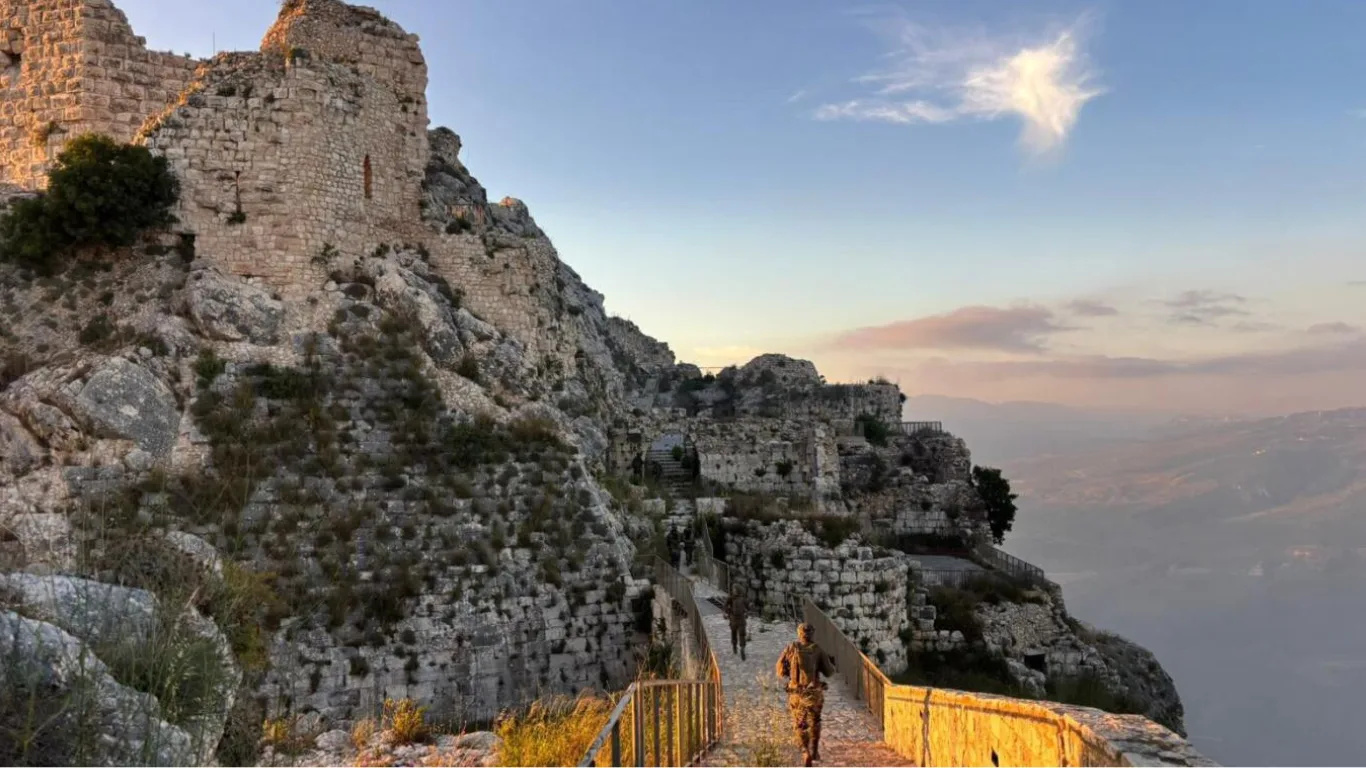
A medieval castle built by Crusaders in the 12th century has become the most discussed symbol of a modern war. On May 31, 2026, Israel seized Beaufort Castle, a UNESCO-recognised fortress perched on a strategic hill in southern Lebanon, as part of a rapidly expanding ground offensive that now covers nearly one-fifth of Lebanese territory. Israeli Prime Minister Benjamin Netanyahu called it a "dramatic turning point." France called it unjustifiable and demanded an emergency UN Security Council meeting.
The Israel-Lebanon conflict is at a deeply contradictory moment right now one where diplomacy is scheduled and warfare is accelerating at the same time.
Why This Particular Week Matters
Direct peace talks between Lebanon and Israel are scheduled for June 2 and 3 in Washington, DC — a fourth round of US-brokered negotiations. These would be only the latest in a series of historic diplomatic meetings that began in April 2026 after decades of no formal contact between the two nations.
The talks are meant to build toward a permanent peace. But in the 48 hours leading up to them, Israel issued more than 10 evacuation orders across southern Lebanon, crossed the Litani River for the first time since 2006, ordered all civilians south of the Zahrani River to flee northward or risk being killed, and struck Beirut for the first time in three weeks, killing a woman and two children.
The tension is not subtle. The escalation and the diplomacy are happening simultaneously, and nobody is quite sure which one will define what comes next.
Read More: DK Shivakumar Is Finally Becoming Karnataka Chief Minister: The Wait, The Deal, and What Comes Next
What Has Happened in Southern Lebanon This Week
The scale of Israel's latest military push is significant enough to explain in some detail. Israeli ground forces have now crossed the Litani River a boundary long considered the practical outer limit of Israeli military operations in Lebanon. They have reached the outskirts of Nabatieh, Lebanon's fifth-largest city, which has historically been a Hezbollah stronghold.
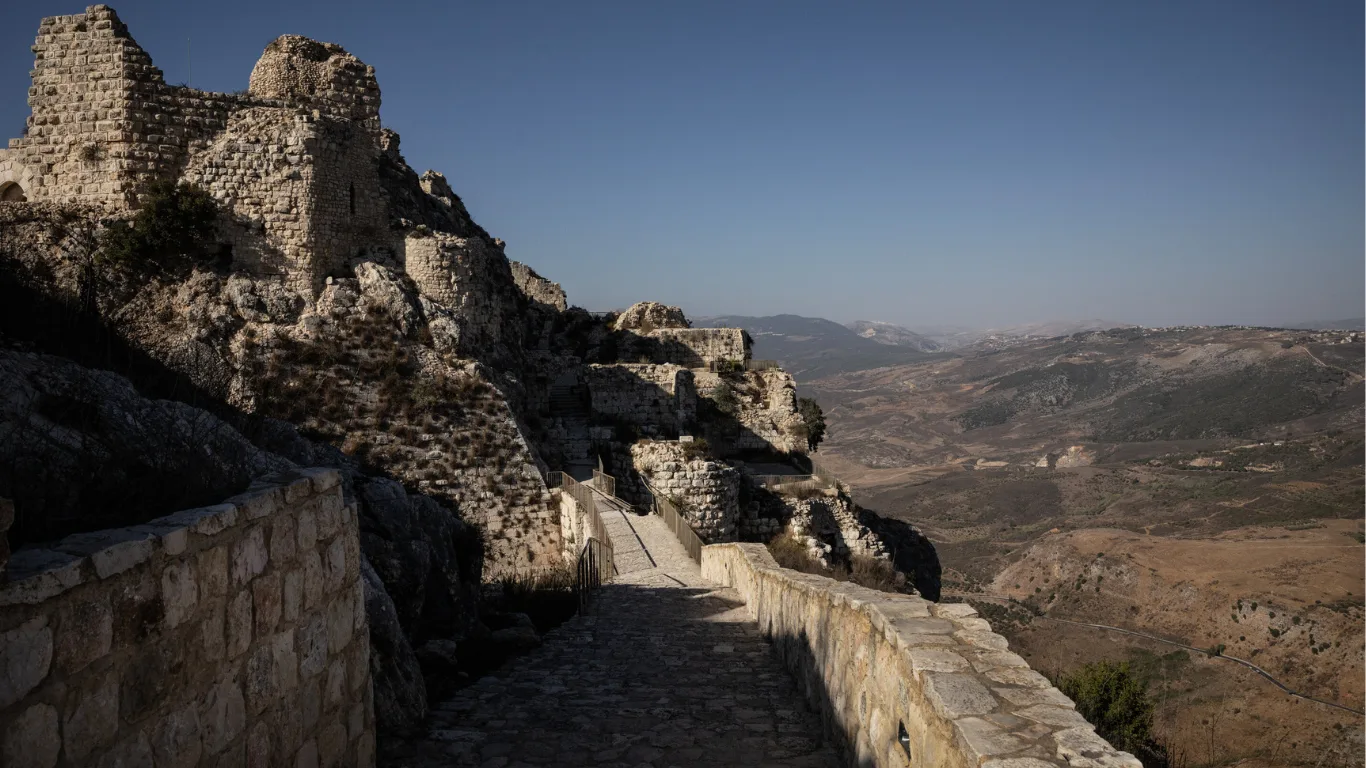
The capture of Beaufort Castle is both tactical and symbolic. The 900-year-old fortress, described by UNESCO as one of the best-preserved medieval castles in the Near East, sits on a commanding hilltop that overlooks both southern Lebanon and northern Israel. Israel fought a bloody battle to take it in 1982, held it for 18 years, and withdrew in 2000. Now it has recaptured it.
At least 19 people were killed and 58 wounded in Israeli attacks in the days leading to June 1, according to Lebanese health authorities. Six of those killed were members of the same family, struck by an Israeli drone strike while trying to flee at dawn along the Adloun Highway connecting Sidon and Tyre. A Lebanese army soldier was also killed in a separate strike near Nabatieh.
Israel currently occupies approximately 2,000 square kilometres of Lebanese territory — nearly one-fifth of the country.
The Ceasefire That Is Still Technically in Effect
Here is where it gets complicated, and where people often lose the thread. There is, officially, a ceasefire in place.
After massive Israeli strikes on Lebanon on April 8 in which at least 357 people were killed a US-brokered truce took effect on April 16, 2026. That ceasefire was later extended by 45 days following two rounds of productive diplomatic talks in Washington. A framework for permanent peace negotiations was agreed upon, covering mutual recognition of sovereignty and border security.
But both Israel and Hezbollah accuse each other of violating the ceasefire. Israel argues it is acting in self-defence against ongoing Hezbollah rocket and drone attacks from Lebanese territory, including from the Beaufort ridge. Hezbollah argues that Israel's continued military presence in Lebanon and its strikes are themselves violations.
Hezbollah is not at the negotiating table. It has called the Washington talks "futile" and urged the Lebanese government to withdraw from them. It was not a formal signatory to either the April ceasefire or its extension.
Read More: CBSE Re-Evaluation Portal 2026: Everything Students Need to Know Before the Deadline Passes
What Is Actually Being Negotiated in Washington
The Lebanon-Israel peace talks represent the first direct bilateral engagement between the two nations since 1993. The gap more than three decades — tells you something about how deep the hostility runs.
Lebanon's position is a return to the November 2024 ceasefire terms and the withdrawal of Israeli forces. Israel's stated position is disarmament of Hezbollah and a formal peace agreement. Netanyahu has said he wants the "dismantling of Hezbollah's weapons" and "a real peace agreement that will last for generations."
Israeli sources have reportedly proposed dividing southern Lebanon into three security zones, with an Israeli military presence immediately along the border until Hezbollah is fully disarmed, and a gradual handover to the Lebanese army further north.
US Secretary of State Marco Rubio has acknowledged the difficulty plainly: "We understand we're working against decades of history and complexities."
The Lebanese ambassador to the US, Nada Hamadeh Moawad, and Israel's ambassador, Yechiel Leiter, have both participated in previous rounds. Israel's ambassador described earlier talks as a "wonderful exchange" and said Hezbollah's position in Lebanon was weakening.
The Core Problem That Talks Cannot Yet Solve
Hezbollah disarmament is the central sticking point. Lebanon's government cannot unilaterally disarm Hezbollah it lacks both the political consensus and the military capability to do so. Hezbollah has its own military force, its own political bloc, and deeply embedded community ties across large parts of the country.
Israel, meanwhile, is unlikely to halt military operations while Hezbollah retains its arsenal. The ceasefire, such as it is, has been described by critics as "not peace, just a pause."
The US is attempting to use the diplomatic track to create conditions under which Lebanon can gradually assert sovereign control and under which Israel can justify pulling back. Whether that is achievable while Israeli forces are actively expanding their presence on the ground is the question most observers are watching this week.
Closing Thoughts
Beaufort Castle has changed hands before. It was built by Crusaders, taken by Saladin, fought over across centuries. The fact that it has become a flashpoint in 2026 carries a kind of bitter historical irony that seems appropriate for a conflict with roots this deep.
What happens at the Washington talks on June 2 and 3 will not resolve the Lebanon-Israel conflict. Nothing in one week could. But it will reveal something important: whether the diplomacy is real or merely the backdrop against which the military campaign continues uninterrupted.
Read More: The Cockroach Janta Party: India's Gen Z Turned Humiliation Into a Political Warning Shot
Disclaimer: This article is based on information available across the web. Parchar Manch does not take responsibility for its complete accuracy, as the content could not be fully verified.
FAQs
What is Beaufort Castle and why did Israel seize it?
Beaufort Castle is a 12th-century medieval fortress in southern Lebanon recognised by UNESCO as one of the best-preserved castles of its kind. It sits on a strategic hilltop with commanding views of southern Lebanon and northern Israel. Israel seized it on May 31, 2026, describing it as a location from which Hezbollah had launched hundreds of projectiles toward Israeli civilians and soldiers.
Is there a ceasefire between Israel and Lebanon?
A US-brokered ceasefire took effect on April 16, 2026. It was later extended by 45 days. However, both sides accuse each other of violations, and Israel has significantly escalated its ground offensive and air strikes in Lebanon in late May 2026. Hezbollah was not a formal signatory to the ceasefire.
What are the Israel-Lebanon peace talks about?
The US-brokered direct talks, the first since 1993, aim to build a framework for permanent peace. Israel's key demand is the full disarmament of Hezbollah. Lebanon wants Israeli forces to withdraw and the November 2024 ceasefire terms restored. The fourth round of talks is scheduled for June 2 and 3, 2026 in Washington.
What is Hezbollah's position on the peace talks?
Hezbollah has opposed the direct talks, calling them "futile." It was not represented at the negotiations and urged the Lebanese government to withdraw. It has also not halted attacks against Israel despite the ceasefire.
How much of Lebanon does Israel currently occupy?
As of late May 2026, Israeli forces occupy approximately 2,000 square kilometres of Lebanese territory, roughly one-fifth of the entire country. Israel has also crossed the Litani River for the first time since 2006 and issued mass displacement orders across southern Lebanon.
Why is Hezbollah disarmament such a difficult issue to resolve?
Hezbollah is both a powerful armed group and a political party with deep community support in Lebanon. The Lebanese government does not have the military or political capacity to force disarmament. Hezbollah argues it needs its weapons as long as Israel maintains a military presence in Lebanon and continues strikes on Lebanese territory.