Trump Calls Off Iran Strike: What Really Happened and Why the Whole World Is Watching
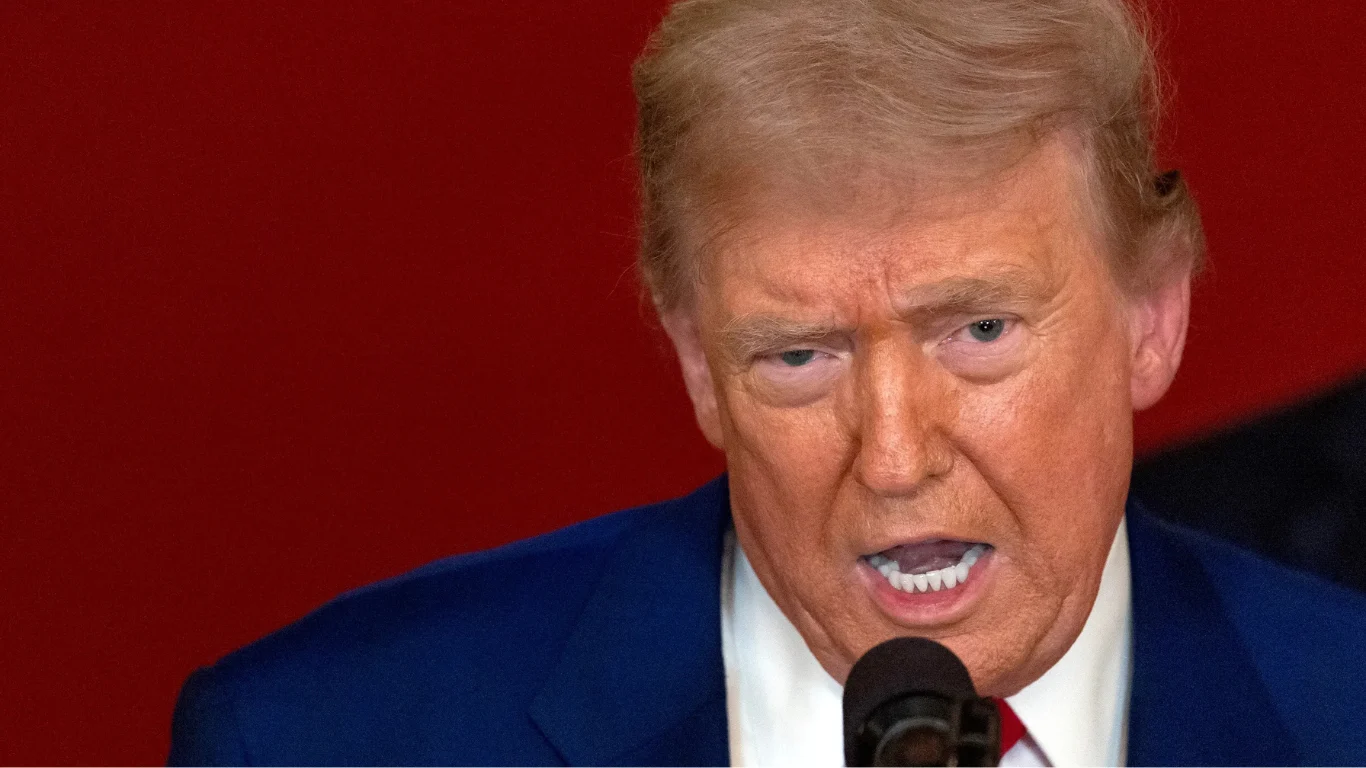
The U.S. military was apparently ready. The moment was set. And then, almost without warning, Trump called off the Iran strike , not because the threat disappeared, but because the phone rang from the Gulf.
That's the short version. The longer one is more complicated, more telling, and frankly, more important for anyone trying to understand where the Middle East is actually headed right now.
Why This Moment in the Iran-US Standoff Is Different From the Others
Let's be honest. Tensions between the United States and Iran are nothing new. They've been simmering for decades, flaring up every few years, then cooling just enough to avoid catastrophe. But what happened on May 19, 2026 felt different in texture. Not just political noise. Something with weight.
President Donald Trump confirmed he had a planned Iran strike scheduled for Tuesday. The U.S. military was placed on standby. And then, after personal appeals from leaders in Saudi Arabia and the UAE, Trump announced he was holding off, describing the moment as one of "serious negotiations" being underway.
That's not a small thing. A sitting U.S. president publicly disclosing he was hours away from an Iran attack, and then stepping back at the request of Gulf allies, is a geopolitical sequence worth paying close attention to.
What the Iran Nuclear Deal Talks Actually Mean
The pause isn't just diplomatic caution. Trump himself said there is a "very good chance" of reaching a Iran nuclear deal that would prevent Tehran from obtaining a nuclear weapon. He described the development as a "very positive" signal.
Now, whether you trust that optimism or not, the structure of what's happening matters.
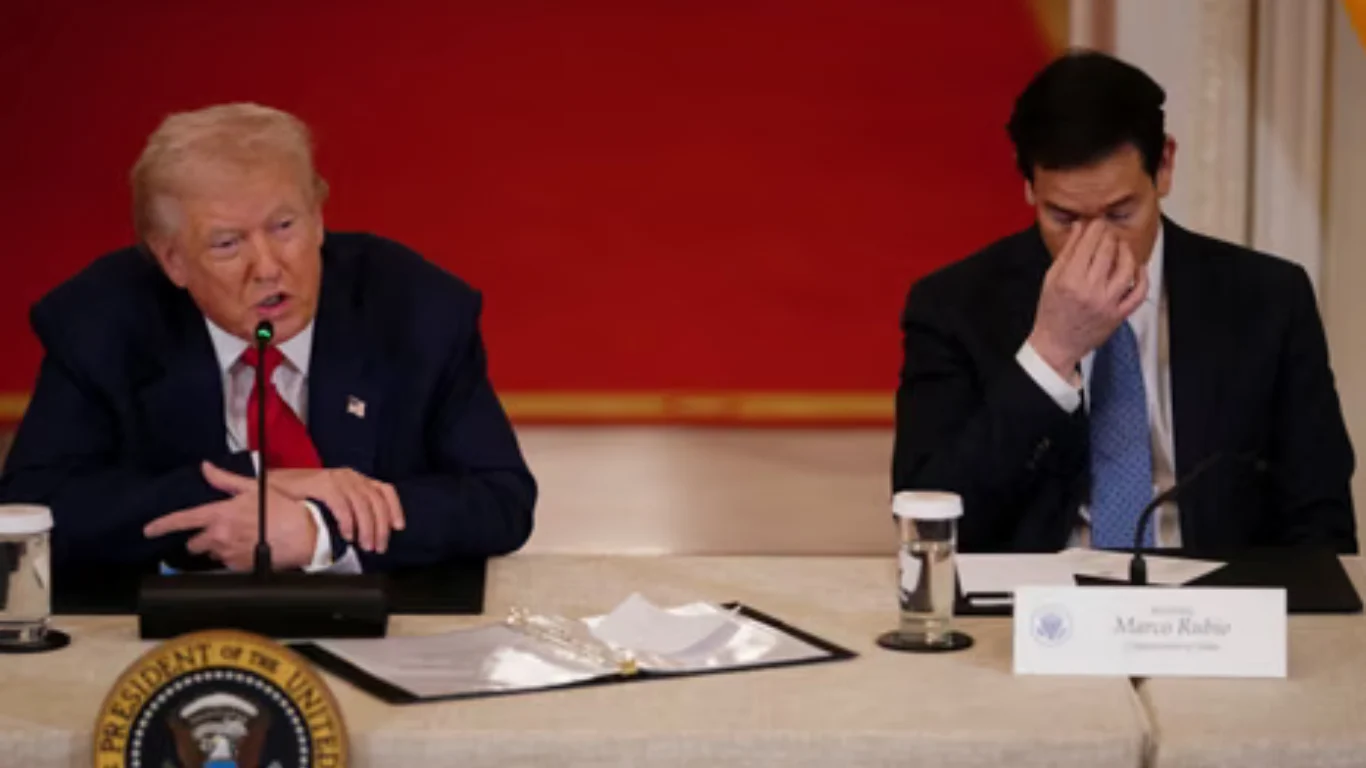
The U.S. and Iran have been in indirect talks, mediated through Gulf states and European diplomats, over the terms of a new nuclear agreement. The central concern: Iran's uranium enrichment levels, which have reportedly exceeded 60% purity in recent years, dangerously close to weapons-grade.
A deal, if it materializes, would likely require Iran to roll back enrichment in exchange for sanctions relief. That's the same general framework as the 2015 JCPOA, which Trump withdrew from during his first term. So there's history here, and not uncomplicated history.
How the Gulf States Became the Unexpected Mediators
Here's what's quietly fascinating about this episode. It wasn't European powers or the United Nations that convinced Trump to stand down. It was Saudi Arabia and the UAE. Two countries that have their own complicated relationships with Iran, countries that have fought proxy wars with Iranian-backed forces in Yemen, that view Tehran's regional influence with deep suspicion.
And yet, they called Washington and said: give diplomacy more time.
That tells you something about how much the Gulf states fear a direct US Iran military conflict in their backyard. An actual war between America and Iran would not be a clean, distant affair. The Strait of Hormuz, through which a massive share of the world's oil passes, sits right there. The economic and security consequences for Riyadh and Abu Dhabi would be immediate and severe.
Their intervention wasn't altruistic. It was pragmatic. And it worked, at least for now.
Read More: Born After 2008? You Can Never Legally Buy a Cigarette in the UK. Here Is What That Actually Means
The Markets Noticed Immediately
Crude oil prices rose sharply when initial reports of a planned strike circulated, touching around $109 per barrel. When Trump announced the pause, prices pulled back. Gold steadied. Asian markets traded broadly higher. The oil price and Iran tensions relationship is old and well-documented, but the speed of Monday's market swing showed just how live this situation is.
Investors and traders aren't abstract here. Real money, real supply chains, real shipping insurance premiums were all moving in real time based on what Trump would decide.
Mistakes the Media Keeps Making When Covering This
People tend to either over-catastrophize or under-examine these flare-ups. The instinct is binary: either "World War Three is imminent" or "this is just political theater." Both miss the point.
The smarter reading is incremental. Each near-miss changes the landscape slightly. Each postponed strike sets a new precedent. Each Gulf mediation call adds to a diplomatic architecture that didn't formally exist before.
What this week established is that regional allies have genuine influence over U.S. military timing, and that back-channel diplomacy between Washington, Tehran, Riyadh, and Abu Dhabi is far more active than public statements suggest.
Read More: Easy Healthy Lunch Recipes for Busy Weekdays (Ready in 20 Minutes)
What Happens If Talks Fail
Trump was clear on this point: the military remains "ready on a moment's notice." He has described the U.S. Army as prepared to act the moment negotiations collapse. That's not just bluster for domestic audiences. It's a deliberate signal to Tehran that the window for diplomacy is real but not unlimited.
The core demand from the U.S. side is verifiable limitations on Iran uranium enrichment and an end to any pathway toward a nuclear weapon. Iran, historically, has insisted on the right to enrich for civilian purposes and has been deeply resistant to intrusive international inspection frameworks.
The gap between those positions is not small. Closing it, even partially, within whatever timeframe the two sides have quietly agreed to, will require significant concessions from both.
Read More: When Fashion Becomes Living Art: 2026 Met Gala “Costume Art” Theme Explained
Pro Tips for Following This Story Without Losing Your Mind
Watch the oil price. Seriously. The crude oil price Iran correlation is one of the most reliable real-time indicators of how close or far actual conflict is. When prices spike, something real is happening.
Watch the Gulf states, not just Washington and Tehran. Saudi Arabia and the UAE are the unofficial thermometers of Middle East diplomatic temperature. When they intervene, pay attention.
And watch for the word "inspections" in any joint statement. The entire architecture of a successful Iran nuclear agreement hinges on verification. If both sides can agree on who checks what and when, the rest usually follows.
Closing Thoughts
There's something strange about watching a potential war get postponed in real time, via social media, announced between two posts on the same platform where people argue about sports. The machinery of geopolitics and the pace of modern information have become genuinely uncomfortable neighbors.
What happened this week was not peace. It wasn't war either. It was something in between, a pause with conditions, a breath before whatever comes next. The military stays ready. The diplomats keep talking. The Gulf leaders watch their borders. And the rest of the world checks oil prices and waits.
Disclaimer: This article is based on information available across the web. Parchar Manch does not take responsibility for its complete accuracy, as the content could not be fully verified.
Read More: Modi in Gangtok: What Sikkim's 50 Years of Statehood Really Means for India's Smallest State
FAQs
Why did Trump call off the planned strike on Iran?
Trump said he called off the strike following direct requests from Saudi Arabia and the UAE, who urged him to give diplomatic negotiations more time. He indicated that talks toward a nuclear agreement were showing positive signs.
What is the Iran nuclear deal, and why does it matter?
The Iran nuclear deal is a diplomatic agreement aimed at limiting Iran's ability to enrich uranium to weapons-grade levels. The original 2015 deal fell apart when Trump withdrew from it. New negotiations are ongoing, with the goal of preventing Iran from obtaining nuclear weapons.
How did the markets react to the Iran strike news?
Oil prices rose sharply on news of a potential strike, touching around $109 per barrel, before retreating when Trump announced the pause. Gold prices steadied and Asian equity markets traded higher as immediate conflict fears eased.
What is Iran's current position on nuclear enrichment?
Iran has reportedly enriched uranium to levels exceeding 60% purity, which is significantly above civilian use thresholds. A nuclear deal would require Iran to reduce enrichment levels in exchange for sanctions relief.
What happens next if diplomacy fails?
Trump has stated the U.S. military remains fully prepared to act if talks collapse. The situation remains fluid, with no confirmed timeline for negotiations and the threat of military action still openly on the table.
Why are Saudi Arabia and the UAE acting as mediators?
Both Gulf states fear the regional consequences of a direct U.S.-Iran war, particularly the risk to oil shipping through the Strait of Hormuz and broader economic and security instability in their own territories. Their mediation is driven by strategic self-interest.