Trump's Three-Day Russia-Ukraine Ceasefire: What It Means, What Is Really Happening, and Whether It Will Hold
Nobody expected the announcement to come on a Friday afternoon via Truth Social. But that is how diplomacy works now, apparently. Donald Trump's Russia-Ukraine ceasefire announcement landed on May 8, 2026, and within hours, both Kyiv and Moscow had confirmed they accepted the terms. Three days. May 9, 10, and 11. All kinetic activity suspended.
It sounds significant. And it is, to a degree. But there is a lot underneath this headline worth understanding carefully.
Why the Trump Russia-Ukraine Ceasefire Matters Right Now
A war that has been grinding on for over four years does not stop easily. Previous ceasefire attempts have collapsed within hours, with both sides blaming the other before the ink was even dry. So when a three-day halt in fighting is announced, and both Russia and Ukraine publicly agree to it, that is nothing. Even a pause carries real weight when soldiers are dying every day.
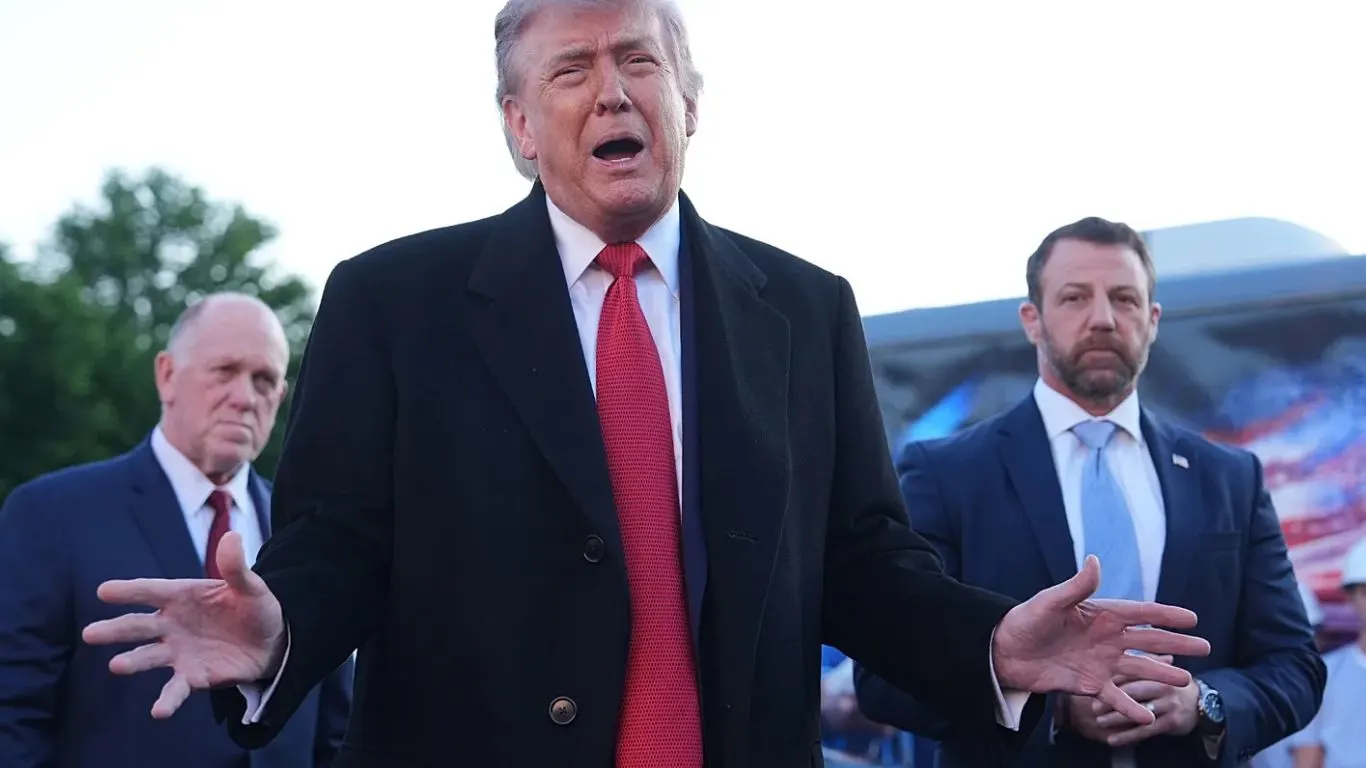
Trump said the temporary ceasefire will suspend all kinetic activity Saturday through Monday, adding, "Hopefully, it is the beginning of the end of a very long, deadly, and hard-fought war. Talks are continuing, ending this Major Conflict, the biggest since World War II, and we are getting closer and closer every day."
That phrase, "beginning of the end," is doing a lot of work. Whether it is accurate remains to be seen.
Read More: Trump Says US and Iran Are In Talks, So Why Are Bombs Still Falling
What Exactly Did Trump Announce, and What Are the Terms?
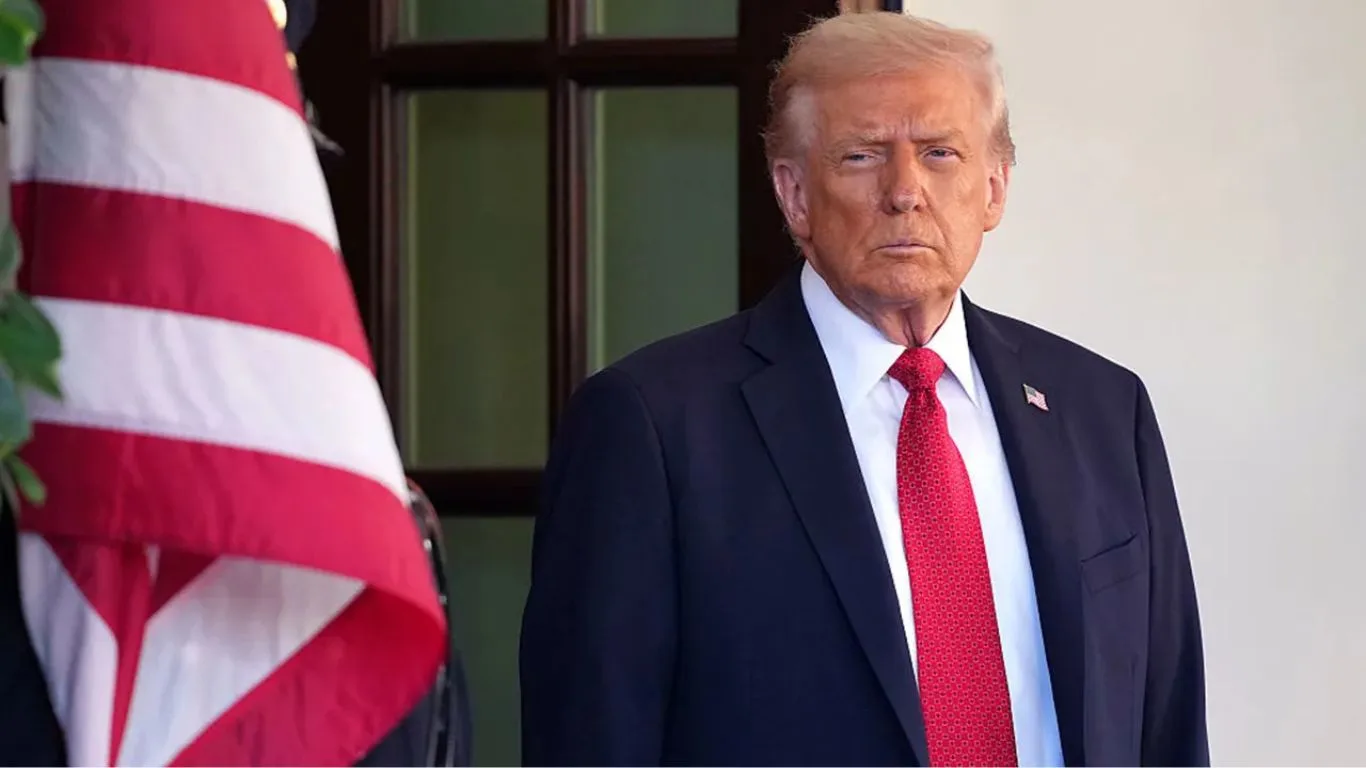
Trump posted on Truth Social: "I am pleased to announce that there will be a THREE DAY CEASEFIRE (May 9th, 10th, and 11th) in the War between Russia and Ukraine." Ukrainian President Volodymyr Zelenskyy confirmed on X that a three-day truce had been arranged as part of US efforts to negotiate an end to the more than four-year-old war.
The ceasefire has two distinct components. First, a pause in all military activity. Second, and this is arguably the more meaningful part, a prisoner exchange.
Trump announced Russia and Ukraine will swap 1,000 prisoners each as part of the three-day ceasefire. Zelenskyy said Ukraine received Russia's agreement to conduct a prisoner exchange in the format of 1,000 for 1,000, adding, "I have instructed our team to promptly prepare everything necessary for the exchange."
One thousand prisoners on each side. That is not symbolic. Those are real people coming home.
The Victory Day Connection: Why These Three Days in Particular
The timing is deliberate and layered with meaning. May 9 is Victory Day in Russia, the holiday that commemorates the Soviet Union's defeat of Nazi Germany in World War II. It is one of the most important national commemorations in Russian political culture.
Trump said in his post: "The Celebration in Russia is for Victory Day, likewise, in Ukraine, because they were also a big part and factor of World War II." Trump said he made his request for the ceasefire directly to the two presidents.
Russian presidential aide Yuri Ushakov said: "An agreement on this matter was reached during our telephone contacts with the US administration. The agreement followed a recent telephone conversation between President Vladimir Putin and Trump, in which the two presidents emphasised that our countries were allies during World War II and also discussed the possibility of a ceasefire during the Victory Day celebrations."
Read More: Vijay's Tamil Nadu Power Bid: What Is Really Happening and Why This Political Drama Is Far From Over
So this is not a random three days. The ceasefire is wrapped around a Russian national holiday, which gives Putin a domestic reason to agree without appearing to capitulate to outside pressure.
Russia's traditional Victory Day military parade this year featured no tanks, missiles, or other military equipment for the first time in decades, with Russian military forces engaged in the ongoing conflict.
That detail is quietly striking. A Victory Day parade without weapons, in a country at war.
Why Past Ceasefires Failed, and Why This One Faces the Same Risk
Russia had announced a ceasefire for Friday and Saturday, but it quickly unravelled, with both sides blaming the other for the continued fighting, just as they had when Ukraine's own unilateral ceasefire had swiftly collapsed earlier in the week.
This is the pattern that makes scepticism reasonable. Unilateral ceasefires in this war have a near-perfect record of failing. Both sides accuse each other of violations, and military momentum does not stop simply because a statement was made.
The difference with Trump's announcement is that it is trilateral, not unilateral. The United States acted as the facilitating third party, with both Russia and Ukraine publicly confirming the terms through their own official channels.
Zelenskyy issued a formal presidential decree "authorising" Russia to hold the Victory Day parade, declaring Red Square off-limits for Ukrainian strikes for the duration. The framing was designed to underscore Kyiv's claim that it holds effective targeting reach over the Russian capital, while publicly tying Ukrainian restraint to the ceasefire terms.
That is a diplomatically pointed move. Ukraine is essentially saying: we can hit Moscow if we want to, and we are choosing not to. Kremlin spokesman Dmitry Peskov dismissed it as a "silly joke," saying Russia does not need anyone's permission to celebrate its own holiday.
What Zelenskyy's Real Motivation Is
Zelenskyy wrote on Telegram: "Red Square matters less to us than the lives of Ukrainian prisoners of war who can be brought home."
That single line explains Kyiv's participation more honestly than any diplomatic statement could. Ukraine has made the return of its prisoners of war a central demand since the beginning of the conflict. Getting 1,000 soldiers home is tangible. A parade in Moscow is not.
Zelenskyy has repeatedly rejected the idea of surrendering Ukrainian territory as part of any peace agreement. However, Trump and Kyiv Mayor Vitali Klitschko have previously suggested that Ukraine may ultimately have little choice if it hopes to secure a deal to end the war.
That tension remains unresolved. A ceasefire is not a peace deal. It is a pause.
What a Three-Day Ceasefire Can and Cannot Do
A ceasefire of 72 hours cannot end a four-year war. It cannot resolve territorial disputes, rebuild infrastructure, or address the millions displaced by the conflict. What it can do is create breathing room for negotiation, allow humanitarian corridors to function, and, in this case, return people to their families.
The Russia-Ukraine peace talks that Trump references have been moving slowly and without clear milestones. Every small agreement carries symbolic weight because the alternative, an indefinite continuation of one of the deadliest conflicts since the Second World War, is simply catastrophic.
Closing Thoughts
There is something both hopeful and cautious about watching a three-day ceasefire get announced through a social media post. The world's most consequential ongoing war is being mediated, at least in this moment, through a combination of phone calls, Telegram posts, and Truth Social announcements. Whether that informality reflects confidence or improvisation is genuinely hard to know.
What is true is that 1,000 Ukrainian prisoners and 1,000 Russian prisoners will potentially go home because of this agreement. That is real. Whether May 9, 10, and 11 become a genuine turning point in the Russia-Ukraine war ceasefire process, or just another pause before the guns resume, depends on what both sides decide to do next.
Three days is not much. But it is more than nothing.
Read More: Trump Primetime Speech on Election Security Just Happened, Here Is What He Actually Said
FAQs
What is the Trump Russia-Ukraine ceasefire, and when does it run?
Trump announced a three-day ceasefire covering May 9, 10, and 11, 2026, suspending all military activity between Russia and Ukraine. Both Kyiv and Moscow confirmed acceptance of the terms.
Why was the ceasefire announced during Russia's Victory Day?
May 9 is Victory Day in Russia, commemorating the Soviet Union's World War II victory. The ceasefire was timed to coincide with this holiday, giving both Russia and Ukraine a symbolic framework for agreeing to a temporary pause.
What is the prisoner swap included in the ceasefire?
As part of the ceasefire agreement, Russia and Ukraine will each exchange 1,000 prisoners of war. Ukraine confirmed receiving Russia's agreement for the 1,000-for-1,000 exchange.
Have ceasefires in this war worked before?
Previous ceasefires in the Russia-Ukraine conflict have failed quickly, with both sides accusing each other of violations. Russia's unilateral ceasefire earlier the same week collapsed almost immediately. This ceasefire differs in being agreed to by both parties through US mediation.
Does this mean the war is close to ending?
Not necessarily. Trump expressed hope that it is the "beginning of the end," and said peace talks are progressing. However, core issues such as territorial control and Ukraine's sovereignty remain deeply unresolved.
What is Zelenskyy's position on Ukraine's territory in any peace deal?
Zelenskyy has consistently rejected surrendering Ukrainian territory as a condition for peace. However, some analysts and officials have noted that Ukraine may face difficult choices if it seeks a negotiated settlement.