
When Justice Itself Is on Trial: The Twisha Sharma Case and the Supreme Court's Institutional Bias Verdict
A 33-year-old model and actor found hanging at her matrimonial home. Five months of marriage. A husband who went missing. A mother-in-law who is a former district judge. And a first postmortem report that the family refused to accept.
That is the Twisha Sharma case in its bare bones. But the reason it reached the Supreme Court of India through suo motu cognisance — meaning the court stepped in on its own, without waiting for anyone to file a petition — is something more disturbing than the death itself. It is the allegation that the very institutions meant to deliver justice were protecting the accused because of who they are.
Why the Twisha Sharma Case Became a Judicial Flashpoint
Twisha Sharma, a 33-year-old model, actor, and former Miss Pune originally from Noida, was found hanging at her matrimonial home in Bhopal's Katara Hills area on May 12, barely five months after marrying lawyer Samarth Singh.
Read More: Cockroach Janta Party Founder Abhijeet Dipke Faces Caste Attacks After Revealing Dalit Identity on X
Her family accused her husband and in-laws, including retired district judge Giribala Singh, of dowry harassment, abetment to suicide, and attempting to influence the investigation. The accused family denied the allegations and claimed Twisha was battling personal issues and drug addiction.
That denial, fair enough on its own, might have remained an ordinary dispute. Except the accused are not ordinary people. One is a lawyer. The other is a retired judge. And when those accused hold institutional power, the question of whether the probe can stay clean becomes impossible to ignore.
What "Institutional Bias" Actually Means Here
People hear the phrase institutional bias and sometimes think it means prejudice in the abstract. In this case, it has a sharper, more specific meaning.
The Supreme Court said it decided to initiate a suo motu case in the matter in view of concerns of bias in the investigation, since the prime accused in the case are a former district judge and a lawyer. The court noted that a narrative had been created that a fair investigation was being denied due to the involvement of the judiciary.
Think of it this way. Suppose you are suspected of a crime, but you know the police officers, the local court, and several senior officials personally. Would the investigation feel equal? That unspoken tilt in institutional behaviour — the small deferences, the slow paperwork, the overlooked evidence — is what the family alleged had been happening.
Read More: Bombay High Court Hall Ticket 2026: Direct Download, Exam Details, and What You Must Not Miss
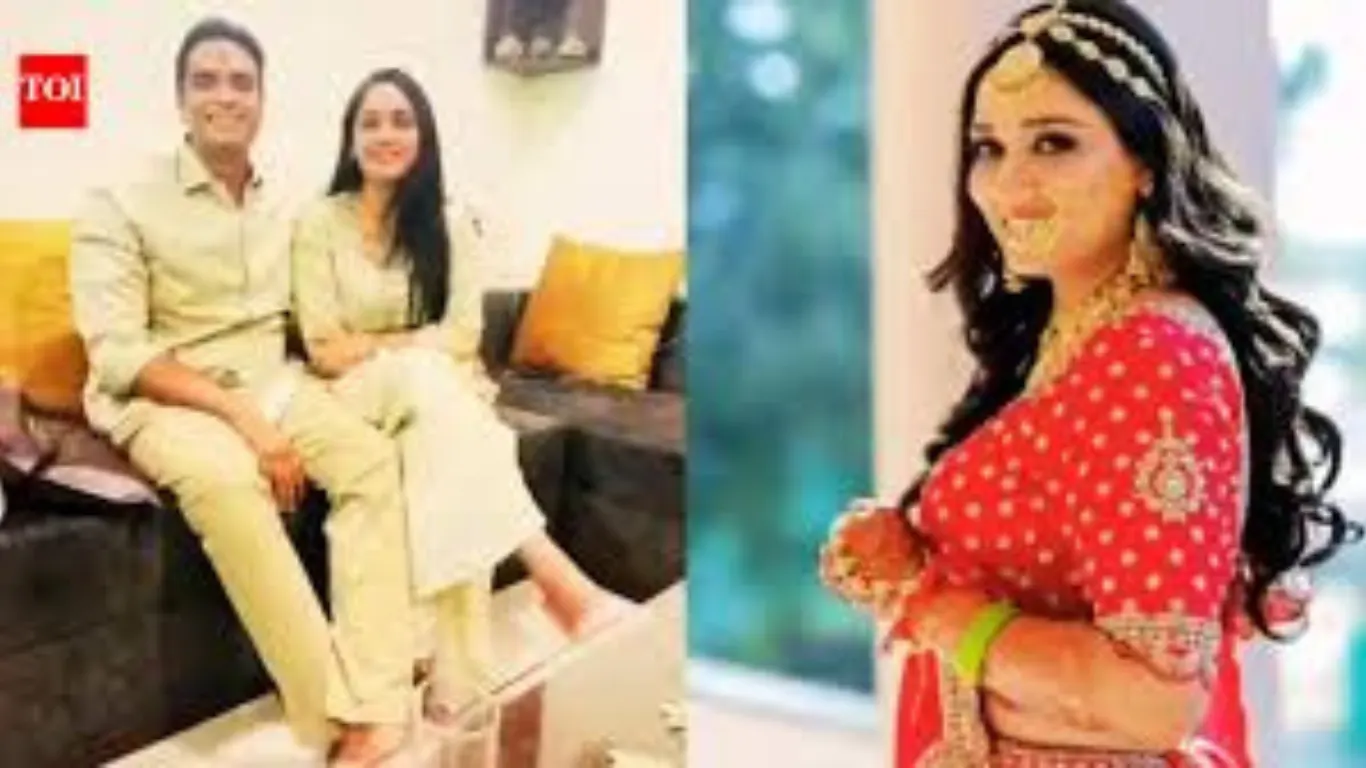
Twisha Sharma's family repeatedly questioned the first postmortem report, alleging that several injuries and forensic aspects were either ignored or not properly examined. The family refused to accept her body until a second autopsy was ordered.
The Supreme Court Steps In: What the Bench Did
A bench of Chief Justice of India Surya Kant, Justices Joymalya Bagchi, and Vipul M Pancholi was hearing the suo motu case. The CJI said the court was "slightly pained" by the narrative that the judiciary was shielding the accused. He noted it was "unfortunate" that this was being said about an institution, and urged the media not to record statements of witnesses and turn them into soundbytes.
Read More: Gold Price in India 2026: Why It Hit Record Highs and Whether You Should Buy Right Now
The court did not dismiss the family's fears. It acknowledged them. That acknowledgment itself was significant. The Supreme Court stressed the need for a fair and unbiased probe, cautioned against media trials and public speculation, and indicated that the investigation could soon be transferred to the Central Bureau of Investigation.
The CBI Transfer and the Second Postmortem
During the hearing, the Solicitor General Tushar Mehta informed the bench that the second postmortem had already been conducted in Bhopal following directions from the Madhya Pradesh High Court.
A four-member medical team from AIIMS Delhi conducted the second postmortem on Twisha Sharma's body, which was videographed amid allegations that crucial forensic details may have been overlooked during the first examination.
Twisha's husband Samarth Singh, who surrendered before police after allegedly remaining untraceable for several days, was remanded to seven days of police custody. Singh's bar license was also suspended by the Bar Council of India on May 22.
Read More: Is Kolkata Really a City of Slums Like Amit Shah Said? Here's What the Data Actually Shows
Twisha's father also moved the Madhya Pradesh High Court seeking cancellation of the anticipatory bail granted to Giribala Singh, while Samarth Singh's anticipatory bail was rejected on May 18.
What This Case Reveals About the System
Cases like Twisha Sharma's expose a tension at the core of India's justice delivery. The system depends on police investigating freely, courts deciding independently, and institutions behaving impartially. But when the accused are part of those institutions, the line between protection and obstruction can blur without anyone formally ordering it to.
Messages Twisha allegedly sent before her death stated that "she was living in hell." Chief Justice Surya Kant responded by emphasising that despite public emotions, legal procedures and due process must still be followed. That balance — taking the family's grief seriously while insisting on process — is exactly what the court was trying to demonstrate through its intervention.
Twisha's family advocate welcomed the Supreme Court's observations, expressing hope that after a proper discussion based on the merits, appropriate action would be taken. Twisha's uncle said the family feels hopeful that justice will be delivered.
The case is a reminder that judicial credibility does not come from silence. It comes from showing up, naming the problem, and refusing to look away. That, at minimum, is what the Supreme Court did here.
Read More: Core Member Sandeep Pathak's Exit from AAP Hits Party the Most , And Here Is Why
Disclaimer: This article is based on information available across the web. Parchar Manch does not take responsibility for its complete accuracy, as the content could not be fully verified.
FAQs
Who was Twisha Sharma?
Twisha Sharma was a 33-year-old model, actor, and former Miss Pune from Noida who was found hanging at her matrimonial home in Bhopal on May 12, 2026, barely five months after her marriage to lawyer Samarth Singh.
Why did the Supreme Court take suo motu cognisance of this case?
The Supreme Court intervened on its own because of serious allegations of institutional bias in the investigation. The prime accused — Twisha's husband and mother-in-law — are a lawyer and a former district judge, raising concerns about whether the probe could remain impartial.
What is the significance of a second postmortem being ordered?
The second postmortem by a four-member AIIMS Delhi team was ordered because the family alleged that the first autopsy had overlooked injuries and forensic details. It was videographed to ensure transparency.
Will the CBI take over the Twisha Sharma investigation?
As of the Supreme Court's hearing on May 25, 2026, the Madhya Pradesh government had already recommended a CBI probe, and the Solicitor General assured the court that steps would be taken immediately for the agency to take over.
What action has been taken against the accused?
Samarth Singh was arrested from Jabalpur, remanded to seven-day police custody, had his anticipatory bail rejected, and had his bar license suspended by the Bar Council of India. His mother Giribala Singh's anticipatory bail cancellation has been sought by the victim's father before the Madhya Pradesh High Court.
What did the Supreme Court say about media coverage?
The bench asked media outlets not to publish statements of persons likely to be witnesses in the case, warning against media trials that could compromise the investigation and fair trial rights of all parties involved.