Umar Khalid Interim Bail Granted by Delhi High Court: Everything You Need to Know About the UAPA Case
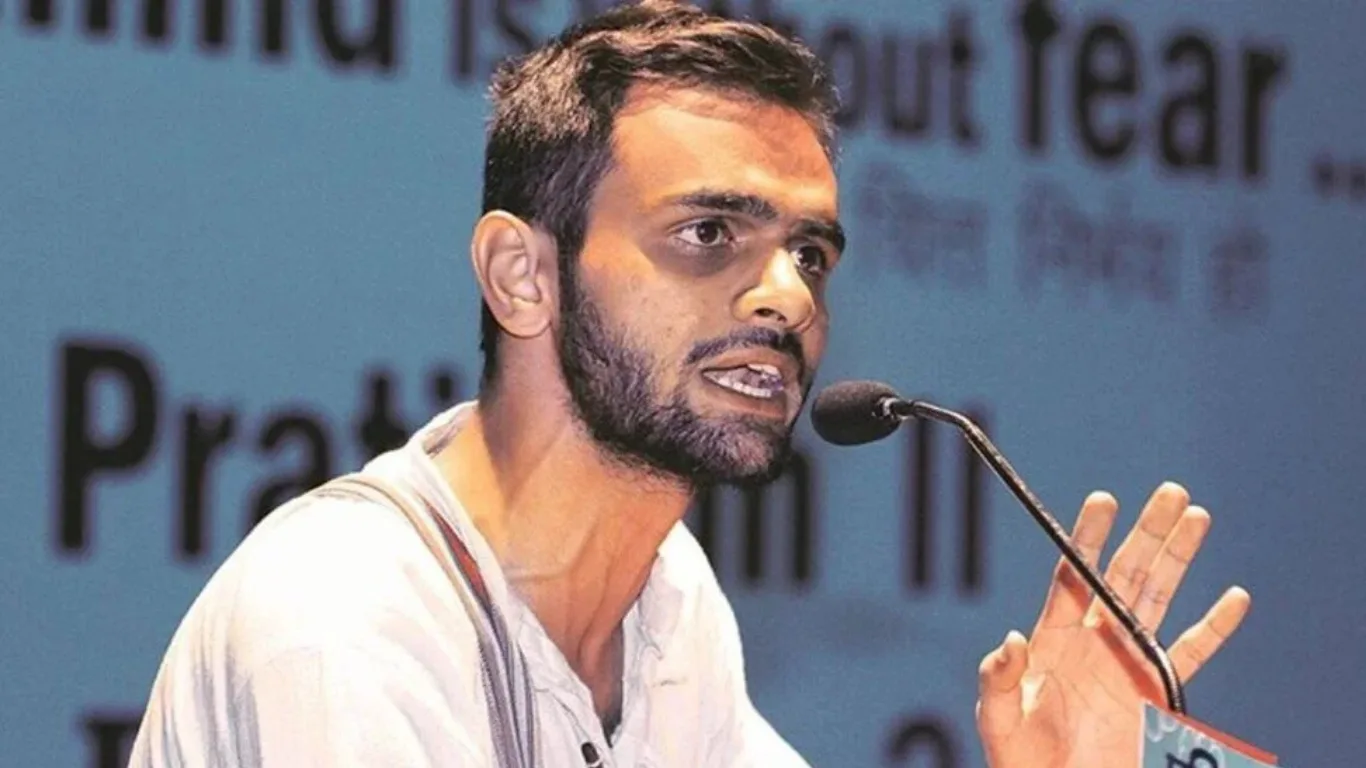
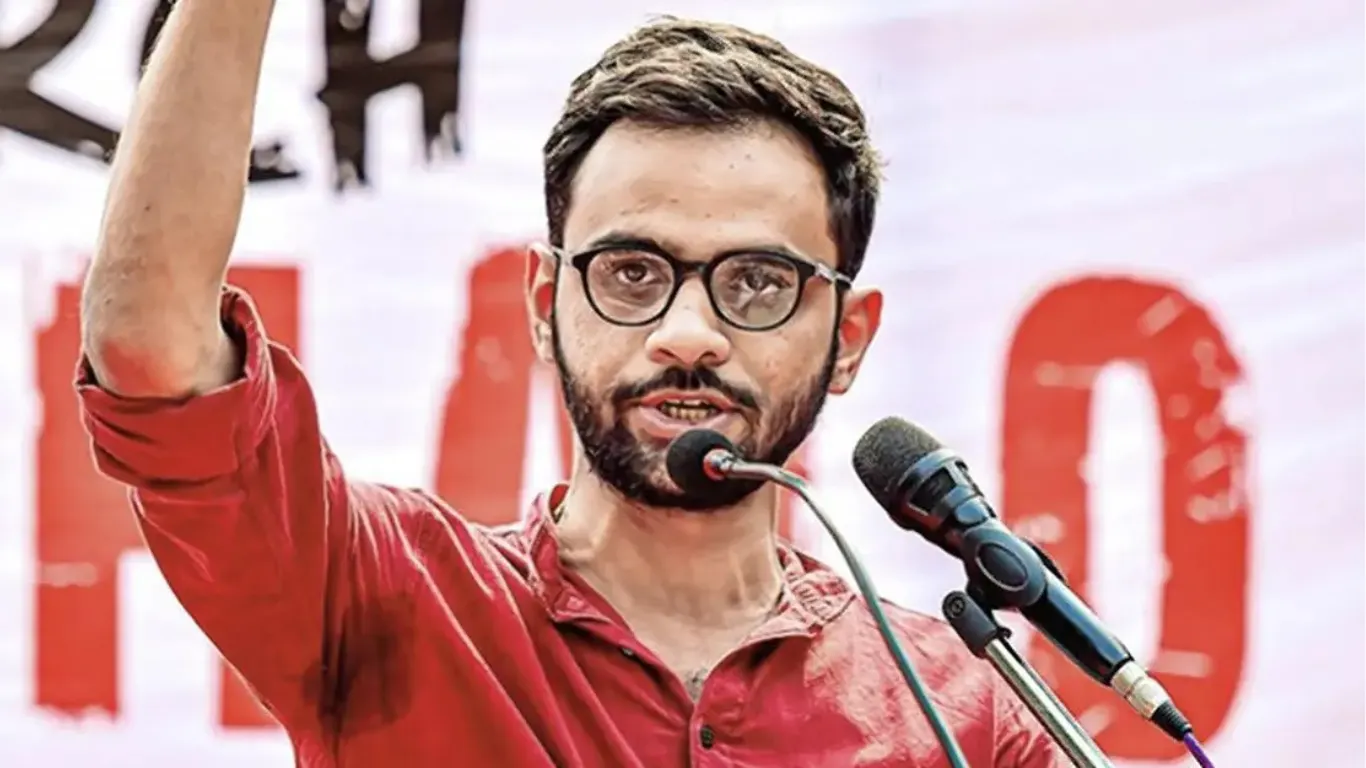
Umar Khalid interim bail made national headlines on May 22, 2026. The Delhi High Court granted the activist and former JNU student leader a three-day temporary release from Tihar Jail, where he has been held for nearly six years under one of India's most debated anti-terror laws.
Three days. That is all the court gave. And it still took a High Court bench to make it happen.
Why the Delhi High Court Interim Bail Order Is Not Just a Routine Ruling
Most people would scroll past a bail order and think nothing of it. This one is different.
As recently as January 5, 2026, the Supreme Court refused to grant bail to Khalid and Sharjeel Imam, saying there was a prima facie case against them under the Unlawful Activities (Prevention) Act, known as UAPA. Regular bail has been denied at every level. What the High Court gave on May 22 is not freedom. It is a three-day window, specifically tied to a family emergency, and nothing more.
That gap between those two things is where this story actually lives.
Read More: Mamata Banerjee Refuses to Resign After West Bengal Election Defeat: Is Democracy Under Threat?
Who Is Umar Khalid and What Is the UAPA Case Against Him
Khalid was booked under the anti-terror Unlawful Activities (Prevention) Act and provisions of the IPC for allegedly being a mastermind of the 2020 northeast Delhi riots, which left 53 people dead and over 700 injured. The 36-year-old researcher and scholar was arrested in the case on September 13, 2020.
The violence had erupted during the protests against the Citizenship Amendment Act and National Register of Citizens. Khalid, a vocal presence in those protests, was accused of being part of a larger conspiracy to plan and orchestrate the riots, a charge he has consistently denied.
FIR 59/2020 registered against Khalid contains stringent charges including Sections 13, 16, 17, and 18 of the UAPA, Sections 25 and 27 of the Arms Act, Sections 3 and 4 of the Prevention of Damage to Public Property Act, 1984, and other offences under the Indian Penal Code, 1860. Others who were charge-sheeted in FIR 59/2020 include Former AAP Councillor Tahir Hussain, Jamia Coordination Committee members Safoora Zargar, Meeran Haider and Shifa-Ur-Rehman, activist Khalid Saifi, Shadab Ahmed, Tasleem Ahmed, Salim Malik and Athar Khan.
What Happened in Court on May 22, 2026
The Delhi High Court on Friday granted three-day interim bail to activist Umar Khalid, who is in custody in a case under anti-terror law UAPA concerning the larger conspiracy behind the February 2020 riots in the city's northeastern parts. A bench of Justices Prathiba M Singh and Madhu Jain permitted Khalid to be released from June 1 to June 3 to enable him to meet his mother who has to undergo a surgery.
The former student leader had approached the High Court seeking 15 days' interim bail from May 22 to June 5 after a trial court rejected his plea on May 19. He asked for 15 days. He received three.
Khalid had sought interim bail for 15 days for attending the Chehlum ritual after the death of his late uncle and to attend to his mother's pre and post medical surgery scheduled on June 02.
Senior Advocate Trideep Pais, representing Khalid, informed the court that Khalid had previously been granted short-term bail for his sister's wedding and had twice received similar relief on humanitarian grounds thereafter.
The Delhi Police opposed the plea. Additional Solicitor General SV Raju, appearing for Delhi Police, argued that Khalid's mother has to undergo only a minor surgery and that his sisters can look after her.
The court was not persuaded. The bench noted that the Supreme Court rejected Khalid's regular bail plea on January 5 but granted him the reprieve by taking an empathetic view. "Taking an empathetic view, this court is inclined to grant him interim bail for three days from June 1 to June 3 to enable the appellant to spend time with his mother," the court concluded.
Read More: Born After 2008? You Can Never Legally Buy a Cigarette in the UK. Here Is What That Actually Means
The Strict Conditions Placed on Umar Khalid's Interim Bail
Relief came, but it came with a firm set of rules.
The court granted Umar interim bail from 7 am on June 1 to 5 pm on June 3, subject to conditions including a personal bond of Rs 1 lakh, remaining within the NCR during this interim release period, staying at his home, and only visiting the hospital.
The High Court also directed that Khalid will keep only one mobile phone during the period of interim bail and remain in regular contact with the Investigating Officer.
The division bench said the relief was being granted only due to the specific circumstances of the case and not as a routine order. The court was deliberate about that framing. This is not a precedent. It is an exception.
How UAPA Makes Bail Almost Impossible to Get
This is the piece that most readers miss, and it matters a great deal.
Under the Unlawful Activities (Prevention) Act, the legal burden shifts in a way that makes getting bail uniquely difficult. In ordinary criminal cases, the prosecution must prove guilt. Under UAPA, once charges are framed, the accused must establish that a prima facie case does not exist against them, just to secure bail. It is a near-impossible standard when the charges themselves are as serious as conspiracy.
Read More:Vijay's Tamil Nadu Power Bid: What Is Really Happening and Why This Political Drama Is Far From Over
Khalid's lawyers pointed out that the long period of incarceration without a trial justified bail. Senior Advocate Trideep Pais argued that merely being on WhatsApp groups, without sending any message, is no criminality, stressing there was no recovery, money or otherwise, from him.
The trial is still ongoing. Khalid has been in custody since September 2020 without a conviction. That is close to six years.
A Quick Look at the Bail History in This Case
Khalid's first regular bail plea was dismissed by the court on March 24, 2022, following which the Delhi High Court rejected his appeal against it on October 18 the same year. The high court observed he was in constant touch with other co-accused persons and said allegations against him were prima facie true.
Delhi's Karkardooma Court granted interim bail to Umar Khalid from 16 December to 29 December 2025 to attend his sister's wedding.
Then came the Supreme Court's January 2026 verdict. The Supreme Court refused to grant bail to activists Umar Khalid and Sharjeel Imam in the 2020 Delhi riots conspiracy matter. However, a bench of Justice Aravind Kumar and Justice NV Anjaria granted bail to five other accused, Gulfisha Fatima, Meeran Haider, Shifa Ur Rehman, Saleem Khan, and Shadab Ahmad in the case.
Five co-accused received bail. Khalid and Imam did not.
Closing Thoughts on the Umar Khalid UAPA Case
Six years in Tihar Jail. Three days outside. That is where things stand in May 2026.
The Delhi High Court used the word "empathetic." That word, sitting inside a legal order, carries a particular weight. It suggests the court saw a human being in a difficult situation, not just a case file. Whether that empathy extends further in the months ahead is something only time and the ongoing trial will determine.
The Delhi riots UAPA case continues. Khalid returns to custody on June 3, 2026.
Disclaimer: This article is based on information available across the web. Parchar Manch does not take responsibility for its complete accuracy, as the content could not be fully verified.
Read More: Mamata Banerjee Refuses to Resign After West Bengal Election Defeat: Is Democracy Under Threat?
FAQs
Why was Umar Khalid arrested in 2020?
Khalid was arrested in September 2020 and charged under the UAPA for allegedly being part of a planned conspiracy behind the February 2020 northeast Delhi riots, which caused 53 deaths and left hundreds injured.
What is interim bail and how is it different from regular bail?
Interim bail is a temporary, short-term release granted by a court for specific reasons like a medical emergency or family event. It is not the same as regular bail, which is a permanent release while the trial is ongoing. Interim bail comes with strict conditions and a fixed return date.
What conditions did the Delhi High Court impose on Khalid's interim bail?
The court allowed release from 7 am on June 1 to 5 pm on June 3, 2026. Conditions include a personal bond of Rs 1 lakh, staying within NCR, remaining at home or visiting only the hospital, using only one mobile phone, and staying in contact with the investigating officer.
Why is getting bail so hard under UAPA?
Under UAPA, courts can deny bail if they find a prima facie case exists against the accused. This reverses the usual standard and requires the accused to demonstrate their innocence before the trial even concludes, making bail extremely difficult to secure.
Has Umar Khalid received any bail before this order?
Yes. He received short-term interim bail for his sister's wedding in December 2022 and again in December 2025, and for a cousin's wedding in January 2025. All were brief releases of under two weeks.
What happens after June 3, 2026?
Khalid returns to Tihar Jail and the case resumes at the trial court. His legal team can file fresh applications, but given the Supreme Court's January 2026 refusal, a successful regular bail application remains a steep legal challenge.