US Envoys Meet Qatari Mediators For Iran Talks: What's Actually Happening In Doha Right Now
Two American envoys flew into Doha this week, sat down with Qatari officials, and somehow still didn't meet a single Iranian diplomat face to face. That's the strange, slightly frustrating shape of diplomacy right now, and it's exactly what's unfolding in the latest US envoys Qatari mediators Iran talks.
Why This Actually Matters Right Now
If you've been half following the Iran situation and feeling lost, you're not alone. Here's the short version of why it matters. The US and Iran have been at war since late February this year, following a ceasefire that came after Israel's earlier strikes in 2025. A fragile truce is currently holding, barely. What happens in these Doha meetings decides whether that truce survives or collapses back into open conflict, and that has real consequences for oil prices, shipping routes, and regional stability well beyond the Middle East.
What Actually Happened In Doha This Week
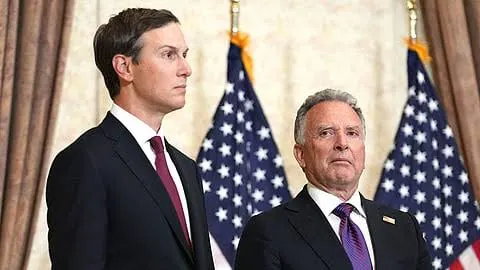
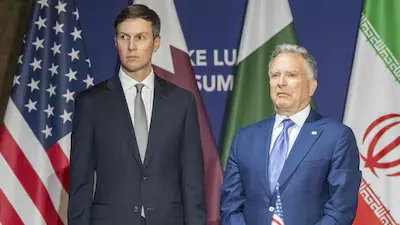
Steve Witkoff and Jared Kushner, the two lead American envoys, arrived in Doha to meet with Qatar's Prime Minister and other mediators. President Trump had claimed on social media that a meeting with Iran would happen Tuesday. That turned out to be premature. Qatari foreign ministry spokesman Majed al-Ansari clarified there were no direct, high-level talks scheduled between Washington and Tehran, not that day, not in the coming days either.
Instead, both sides are relying on what's being called indirect negotiations, where Qatari mediators shuttle messages back and forth between two delegations that stay in separate rooms, sometimes literally down the hall from each other, without ever speaking directly.
Read More: WhatsApp Usernames Are Coming, And Your Phone Number Might Finally Get Some Privacy
How Indirect Diplomacy Actually Works
This might sound backwards if you've never followed shuttle diplomacy before. Picture two people arguing through a mutual friend because they're too proud, or too cautious, to speak directly. That's roughly what's happening here.
- The US and Iran signed a memorandum of understanding earlier this year, establishing a ceasefire and a 60 day window to negotiate broader terms.
- Iran agreed to dilute its enriched uranium stockpile in exchange for the US waiving oil sanctions and allowing free traffic through the Strait of Hormuz.
- Technical level talks continue on separate tracks, nuclear issues, economic questions, and regional security, before anything gets elevated to senior officials.
- Qatar, along with Oman earlier in the process, has served as the trusted go-between since neither Washington nor Tehran wants to be seen negotiating directly just yet.
Real Details Driving This Round Of Talks
The immediate trigger for this week's meetings was a rocky weekend. Iran attacked vessels in the Strait of Hormuz, including a tanker carrying Qatari crude, and launched drone and missile strikes toward Bahrain and Kuwait. The US responded with retaliatory airstrikes. Both sides then agreed to stop shooting and go back to talking, even if only through intermediaries. Separately, Iran's President Masoud Pezeshkian confirmed Qatar plans to release $6 billion in frozen Iranian assets, reportedly earmarked to buy American food products for Iranian citizens.
Read More: NASA's Swift Observatory Rescue Mission: Inside the Daring Plan to Save a Falling Telescope
Mistakes People Keep Making When Reading This Coverage
The biggest mistake is assuming envoys meeting mediators equals direct US Iran talks. It doesn't, at least not yet. Confusing indirect, message relayed diplomacy with an actual sit down negotiation misses what's really going on, and honestly, that confusion is part of why Trump's own social media claim caused a stir before Qatar had to walk it back.
Pro Tips For Following This Story Closely
Watch for two specific signals going forward. First, whether technical level talks get elevated to senior officials, since that's the real marker of progress. Second, keep an eye on the Strait of Hormuz, since Iran's interest in tolling ships passing through it remains an unresolved sticking point that could reignite tensions fast.
Read More: Anti-Ageing Skincare Routine 2026: How to Reduce Wrinkles and Fine Lines Naturally
A Quiet Closing Thought
There's something almost old fashioned about diplomats sitting in separate rooms, letting a third country carry their words back and forth. It feels slow, maybe even a little theatrical. But given where things stood just months ago, missiles instead of messages, this careful distance might actually be the most hopeful sign available right now.
Read More: Iran-Israel War LIVE: Middle East Tensions & Global Stability
Disclaimer: This article is based on information available across the web. Parchar Manch does not take responsibility for its complete accuracy, as the content could not be fully verified.
FAQs
Did the US and Iran meet directly in Doha?
No. Qatari officials confirmed there were no direct or high-level meetings scheduled between US and Iranian delegations this week.
Who are the US envoys involved in these talks?
Steve Witkoff and Jared Kushner led the American side, meeting with Qatar's Prime Minister and other mediators.
What is the memorandum of understanding between the US and Iran?
It's an interim agreement establishing a ceasefire, requiring Iran to dilute enriched uranium, and giving both sides 60 days to negotiate a broader deal.
Why did fighting resume before these talks?
Iran attacked shipping vessels and launched strikes toward Bahrain and Kuwait, prompting US retaliatory airstrikes, which pushed both sides back toward negotiations.
What is Qatar's role in these negotiations?
Qatar is acting as the primary mediator, relaying messages between the US and Iran and helping manage related issues like the release of frozen Iranian assets.