US-Iran Oil Deal 2026: What the Historic Agreement Means for Oil Prices, the Strait of Hormuz, and India
For 107 days, the world's most critical oil chokepoint sat in the middle of a war. Now, that may finally be changing.
On June 15, 2026, US President Donald Trump declared on Truth Social: "The Deal with the Islamic Republic of Iran is now complete." After more than three months of military conflict, economic disruption, and escalating threats, the US-Iran oil deal emerged from an agreement brokered with Pakistan's Prime Minister Shehbaz Sharif serving as a key intermediary. A formal signing is expected in Switzerland, followed by 60 days of final negotiations on nuclear terms.
This is not just a diplomatic story. It is an energy story, a market story, and for India, a very immediate economic story.
What Caused This Crisis in the First Place
The roots go back to early 2026. Iran, facing intensifying pressure over its nuclear enrichment program, closed the Strait of Hormuz to unfriendly nations beginning in late February. The IRGC boarded merchant vessels, laid sea mines, and issued warnings that set global energy markets into a tailspin. Oil prices rose roughly 40 percent from the start of the conflict.
The US responded with military strikes on Iranian naval assets and a naval blockade of Iranian ports from April to late May. The standoff dragged on for months, with multiple failed deadlines, a two-week ceasefire in April, and fractured negotiations before the current framework finally emerged.
What the US-Iran Deal Actually Contains
The 14-point memorandum of understanding is remarkably detailed, even if final terms are still being negotiated. Here is what the draft stipulates:
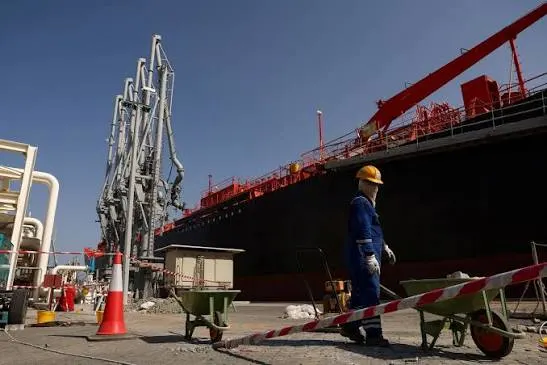
Iran will immediately reopen the Strait of Hormuz to all commercial vessels. The US will simultaneously lift its naval blockade of Iranian ports, with full reopening expected within 30 days, pending mine-clearing and infrastructure repair.
On Iranian oil sanctions: the US has agreed to issue Treasury Department waivers for the export of Iran's crude oil, petrochemical products, and all related services, including banking, insurance, and transportation. This effectively allows Iran to sell oil on the international oil market again for a specified period.
The US also agreed to release approximately $25 billion of Iran's frozen assets in a phased manner, with half unfrozen before final negotiations begin.
In return, Iran commits to freezing its uranium enrichment program and not expanding nuclear facilities until a final deal is concluded. Tehran also agreed not to produce or purchase nuclear weapons. Iran would also scale back support for regional proxy groups.
A 60-day negotiating window opens after signing, focused on the technical details of how Iran will dilute its highly enriched uranium stockpile and the full framework for permanent sanctions relief.
Read More: Bharat Bhagyavidhata Review: Kangana Ranaut Brings the Untold 26/11 Story to Screen
Why This Changes the Oil Market Immediately
WTI crude futures fell to around $80 a barrel immediately after the deal was announced, down sharply from the conflict-era highs above $100. Markets priced in the return of Iranian oil exports and the reopening of the Strait quickly.
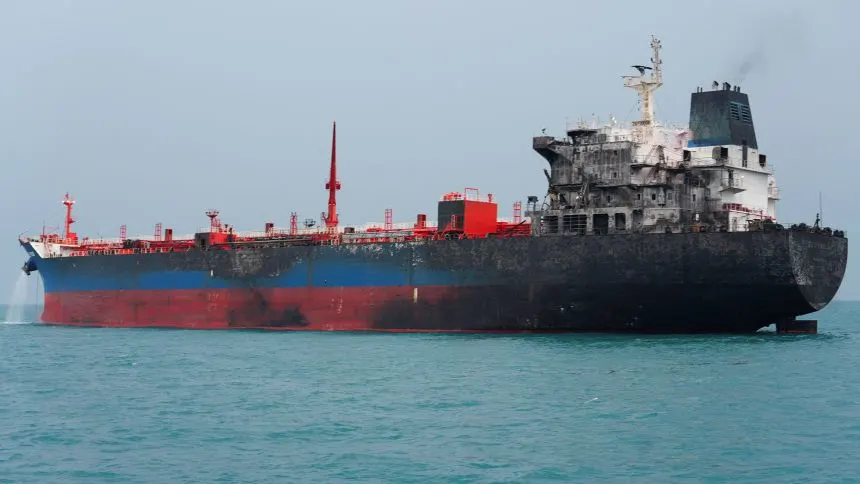
But the full effect on supply will take time. Mine-clearing, infrastructure repair, and restoring insurance coverage for shipping through the strait cannot happen overnight. Even after reopening, Iran will need weeks or months to scale up oil production meaningfully. The immediate price drop reflects expectation, not supply change.
What This Means for India
India is among the world's largest importers of crude oil, and the Strait of Hormuz disruption hit hard. Indian refiners saw freight costs surge and alternative routes extend delivery timelines significantly. A reopened strait and lifted oil sanctions on Iran could directly reduce India's crude oil import costs, given that India was a significant buyer of discounted Iranian oil before sanctions tightened.
European nations are already signalling readiness to ease their own sanctions on Tehran, which would further normalise Iranian oil trade globally.
What Could Still Go Wrong
Scepticism is warranted. The 60-day nuclear negotiating window faces serious technical and political hurdles. How Iran's highly enriched uranium is diluted, monitored, and disposed of has not been agreed. Some US and Israeli hawks worry the war may end with nuclear questions permanently unresolved. Iran itself has released versions of the deal that differ from US accounts on asset release timelines and sequencing.
The deal that exists today is a ceasefire framework with economic provisions attached. A final, durable agreement is a different thing entirely.
Closing Thoughts
The Strait of Hormuz handles roughly 20 percent of the world's daily oil trade. Its closure was always a global problem dressed in regional clothes. The US-Iran agreement does not resolve everything: the nuclear questions, the sanctions architecture, the regional proxy dynamics. But it reopens the world's most important oil passage and buys time.
Whether that time is used well is the question that will define the next 60 days.
Disclaimer: This article is based on information available across the web. Parchar Manch does not take responsibility for its complete accuracy, as the content could not be fully verified.
FAQs
What is the US-Iran oil deal about?
It is a memorandum of understanding reached in June 2026 to end the US-Iran military conflict. Key provisions include Iran reopening the Strait of Hormuz, the US lifting its naval blockade, suspension of oil sanctions on Iran, and release of $25 billion in frozen Iranian assets.
Will Iranian oil return to global markets immediately?
Not immediately. The US will issue oil sanction waivers, but Iran needs time to restore production levels and the strait needs mine-clearing and infrastructure repairs before full shipping resumes. Market impact will build gradually.
What is the Strait of Hormuz and why does it matter?
It is a narrow waterway between Iran and Oman through which roughly 20 percent of the world's seaborne oil and 20 percent of global LNG pass daily. Its closure during the conflict caused oil prices to spike globally.
What does Iran get from this deal?
Iran gets oil sanction waivers, approximately $25 billion in unfrozen assets released in phases, the lifting of the US naval blockade, and a 60-day window to negotiate final nuclear terms in exchange for sanctions relief.
What does the US get from this deal?
The US secures the reopening of the Strait of Hormuz to international shipping, a freeze on Iran's uranium enrichment, Iran's commitment against nuclear weapons acquisition, and reduced Iranian support for regional proxy groups.
How will this deal affect India?
India imports significant volumes of crude oil and was heavily impacted by the strait's closure and high freight costs. A reopened strait and renewed access to Iranian crude exports could reduce India's energy import costs materially.