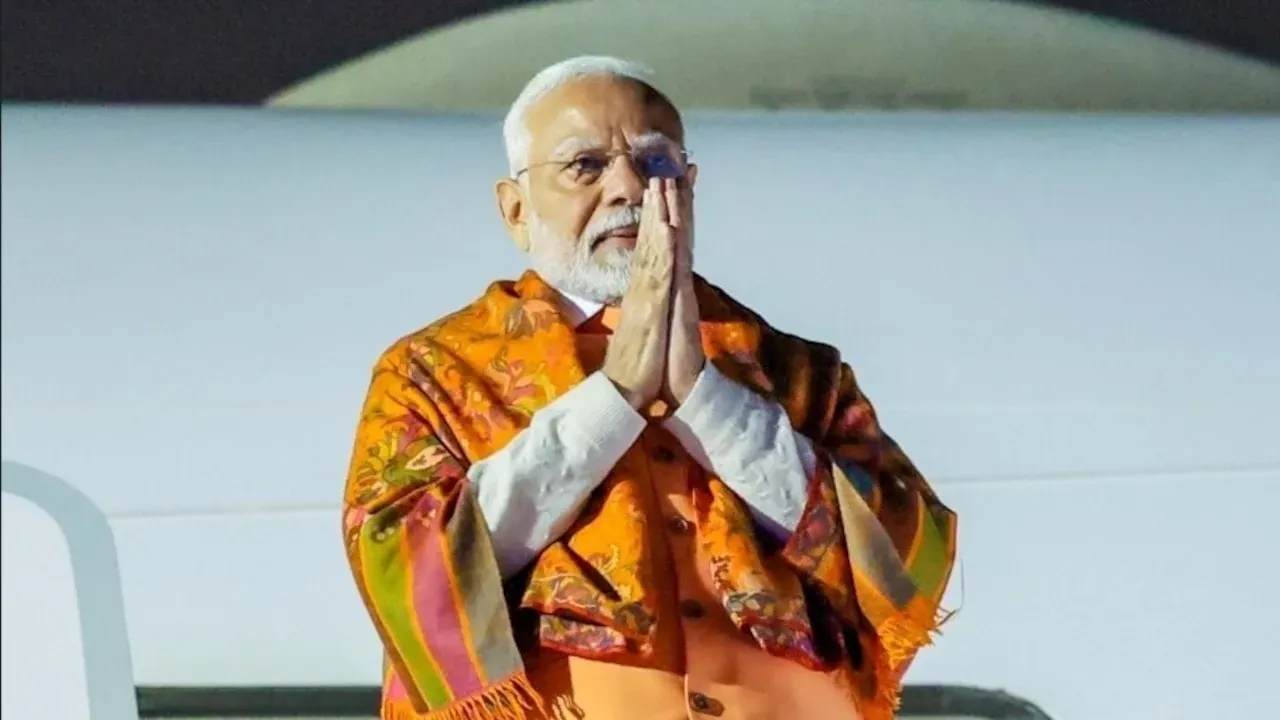
The Record That Took 12 Years, 3 Terms, and 4,399 Days: Modi Becomes India's Longest-Serving Elected Prime Minister
There is something quietly striking about a number. Not a speech, not a ceremony. Just a number, ticking over at midnight. On June 10, 2025, Narendra Modi's longest-serving elected Prime Minister record became official. With 4,399 consecutive days in office, he moved past a milestone that had stood for over six decades and belonged to the man who built independent India. Jawaharlal Nehru's unbroken elected tenure of 4,398 days, held since 1952, finally had company. And then it was surpassed.
Why This Record Actually Means Something
Numbers without context are just arithmetic. So here is the context.
When Nehru set his record, India was newly independent, democracy was untested, and there was no real political opposition to speak of. He governed through sheer authority and historical weight. When Modi's historic PM tenure crossed that same line, he did it in arguably the most competitive, noisy, and fragmented democratic landscape in the world. He first assumed office on May 26, 2014, and completed 4,399 consecutive days as Prime Minister on June 10.
That is three terms. Three separate mandates from the electorate. Not inherited authority. Elected authority, renewed twice.
Rahul Gandhi still leads an active opposition. Regional parties pull in different directions. Coalition pressures are real. And yet, the tenure continued unbroken.
Read More: Xi Jinping Visits North Korea After Seven Years: What Kim Jong Un Told Him Before He Even Landed
The Full Picture: How Modi Got Here
Modi became only the second Indian leader after Nehru to win three successive Lok Sabha elections as the incumbent leader. That alone is a political fact worth pausing on. No Prime Minister between Nehru and Modi managed it. Not Indira Gandhi, who was voted out and returned. Not Manmohan Singh, who served two terms but handed the party, not his own political brand, a loss in 2014.
In July 2025, Modi had already surpassed Indira Gandhi's record for the longest consecutive term as Prime Minister. Gandhi had held the post continuously from January 24, 1966, to March 24, 1977, a period spanning 4,077 days.
Then came the Nehru threshold. And now that too has been crossed.
There is also the longer lens. Earlier in March 2026, Modi became the longest-serving head of an elected government in the entire country, surpassing former Sikkim Chief Minister Pawan Kumar Chamling, who held office for 8,930 days. Modi broke that record when he completed 8,931 days as head of government, combining his tenure as Chief Minister of Gujarat and as Prime Minister, entering his 25th year in a leadership role.
Twenty-five years in elected executive positions. There is no precedent for that in India.
Read More: Iran-Israel War 2026: What's Really Happening, Why the US Is In the Middle, and What Comes Next
The Record in Plain Terms: What Sets It Apart
Let us be precise about one thing, because this is where the nuance sits.
Nehru continues to hold the record for the longest overall tenure as Prime Minister. He served from August 15, 1947, the day of Independence, until his death in 1964. That is over 16 years. Modi's current count does not touch that.
What Modi has surpassed is specifically Nehru's post-election, democratically-mandated continuous stretch, which began on May 13, 1952, after India's first general elections. Nehru served continuously from May 13, 1952, until his death on May 27, 1964, a record that stood for more than six decades.
The distinction matters because it is about electoral mandate, not just time in office. It measures how long a leader has continued to hold power that voters renewed. By that measure, Modi now stands first.
What Happened on June 10
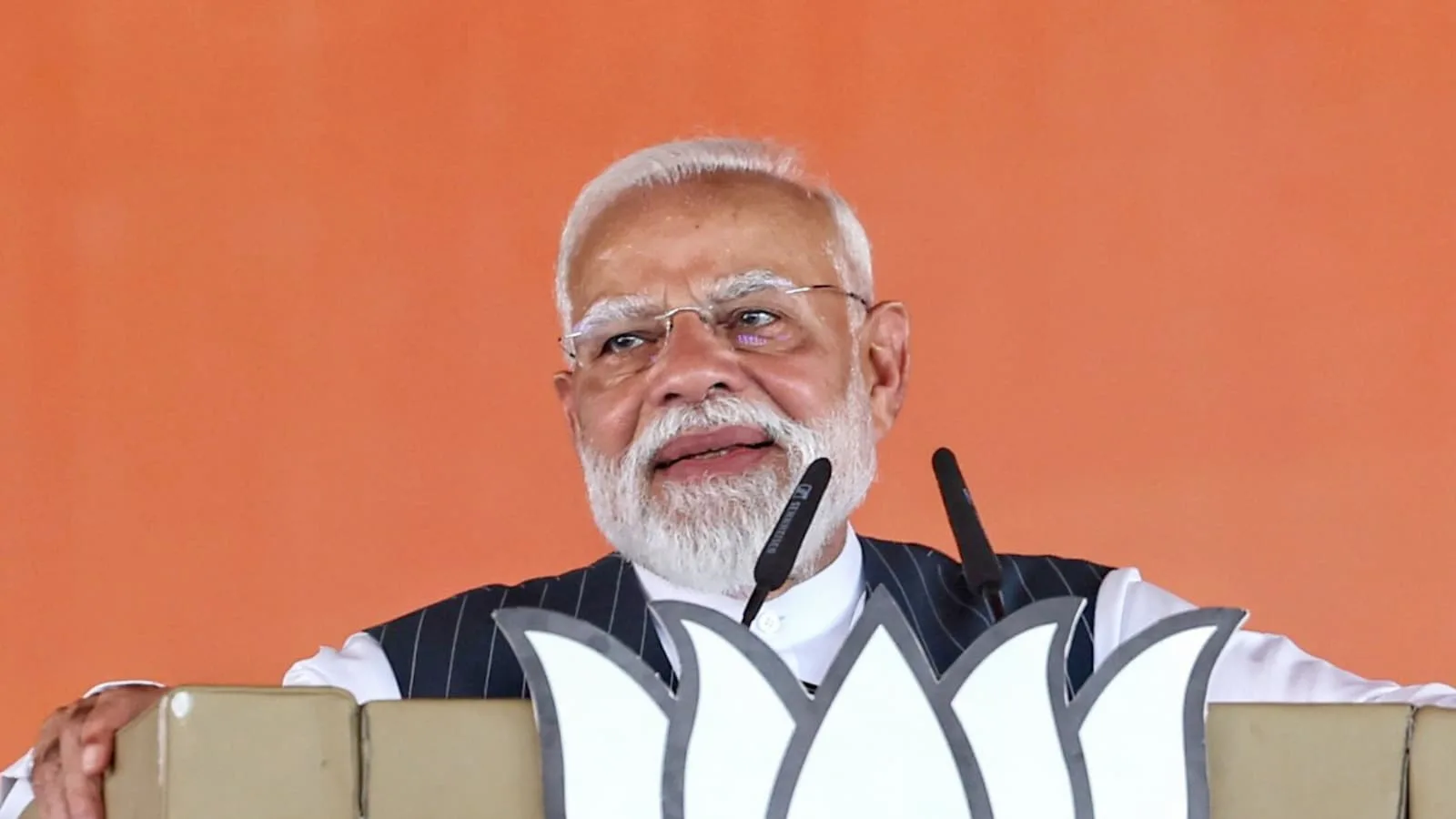
The milestone was marked by celebrations within the BJP, congratulatory messages from political leaders and world figures, and a special NDA meeting in New Delhi attended by Chief Ministers, Deputy Chief Ministers, and senior leaders from alliance-ruled states.
The NDA passed a resolution acknowledging the achievement. Modi himself described the 4,399 days not as a personal feat, but as belonging to the people of India.
Global leaders took note. US President Donald Trump offered congratulations. Singapore's Prime Minister extended warm wishes. World leaders calling out democratic milestones in India is itself a marker of how India's international standing has shifted through this period.
Read More: A Judge Just Killed Trump's $100,000 H-1B Visa Fee , Here Is What That Actually Means
What the 12 Years Actually Looked Like
Any honest accounting of this tenure includes both the scale of change and the scale of controversy. The Modi government's 12-year achievements cover the Goods and Services Tax reform, the Jan Dhan financial inclusion program, the Ayushman Bharat health scheme, infrastructure expansion including highways and metro networks, and a sustained push on digital payments that made India one of the world's leaders in UPI transactions.
The Indian economy under Modi moved from being tagged among the fragile five economies in 2013 to becoming the world's fifth-largest and one of its fastest-growing. Critics, including a significant section of economists, note that unemployment data and consumption indicators tell a more complicated story. Electoral democracy remained intact, but institutions faced serious scrutiny.
The BJP's electoral dominance also transformed the shape of Indian federalism. The opposition remains fragmented, and debates about democratic quality alongside GDP numbers are not going away. That complexity belongs in any serious account of what 4,399 days actually meant.
Read More: Modi at 12: A Decade-Plus of Leading India , What Changed, What Didn't, and What It All Means
Closing Thoughts
Records in politics are strange things. They do not necessarily mean better. They mean durability. They mean that voters kept saying yes, in different conditions, across different Indias. The India of 2014 and the India of 2025 are not the same country. That Modi navigated both is the real story behind the number.
The record will likely grow. Whether history judges these years generously or critically is a separate question, and it will take time. For now, a number crossed a line that had stood for 61 years.
That is worth understanding clearly.
Disclaimer: This article is based on information available across the web. Parchar Manch does not take responsibility for its complete accuracy, as the content could not be fully verified.
FAQs
When did Modi become India's longest-serving elected Prime Minister?
On June 10, 2025, completing 4,399 consecutive days in office, surpassing Jawaharlal Nehru's post-election record of 4,398 days.
Does Modi hold the record for the longest overall tenure as Prime Minister?
No. Nehru still holds that record, having served from Independence in 1947 until his death in 1964. Modi surpassed only Nehru's uninterrupted post-election tenure.
How many terms has Modi served as Prime Minister?
Three terms: 2014, 2019, and 2024. He is only the second leader after Nehru to win three consecutive Lok Sabha elections as the incumbent Prime Minister
What is the significance of Modi's 8,931 days as head of government?
When combining his tenure as Gujarat's Chief Minister and as Prime Minister, Modi became the longest-serving head of any elected government in India's history, surpassing former Sikkim Chief Minister Pawan Kumar Chamling's record of 8,930 days.
How does Modi's tenure compare to Indira Gandhi's?
Indira Gandhi served continuously for 4,077 days from 1966 to 1977. Modi surpassed that figure in July 2025, before crossing Nehru's elected record in June 2025.
What major policy milestones mark Modi's 12-year tenure?
Key milestones include GST reform, the Jan Dhan financial inclusion drive, Ayushman Bharat health coverage, UPI digital payments infrastructure, infrastructure expansion, and India rising to become the world's fifth-largest economy.