Vietnam Boat Capsize: How a Half Kilometer Swim Back to Shore Turned Fatal for 15 Indian Tourists
Half a kilometer. That's the distance between where this speedboat capsized and the actual shoreline. Not far at all, if you think about it in ordinary terms, a short walk, nothing more. But on Saturday afternoon, off the coast of Phu Quoc in southern Vietnam, that short distance became the site of a tragedy that killed 15 Indian tourists. The Vietnam boat capsize has since dominated headlines across India, and honestly, the more details that surface, the harder it gets to look away.
Let me walk through what actually happened, because the specifics matter here, more than they usually do.
Why This Tragedy Actually Matters
You might wonder why a boat accident thousands of kilometers away should matter to you. Here's the honest answer. This wasn't some remote, isolated mishap. It happened to a group on what should have been an ordinary company holiday, people who booked island tours the same way millions of Indians do every year. That familiarity is exactly what makes this Phu Quoc boat accident feel close, even from a distance.
It also raises real questions about tourist boat safety standards abroad, questions that matter to anyone planning a trip involving speedboats, island hopping, or coastal excursions, in Vietnam or anywhere else.
What Actually Happened, Explained Simply
Here's the situation stripped down. A speedboat carrying 32 Indian tourists and four Vietnamese crew members was returning from a trip to Hon May Rut Ngoai Island, a small island near Phu Quoc, Vietnam's largest island and one of its most popular beach destinations. Shortly after leaving the island, the boat overturned. Passengers shouted for help as the vessel flipped, less than half a kilometer from shore.
Think of it like this. You're on a short ferry ride home, nothing dramatic, when suddenly a large wave hits and the boat starts rocking uncontrollably. That's roughly what witnesses described. One survivor, Ashish Kumar, told reporters the boat hadn't even gone half a kilometer when it tipped over. He said a large wave crashed into the vessel, panic spread, people rushed from one side to the other, and eventually jumped into the water, himself included.
How the Rescue and Aftermath Unfolded, Step by Step
Understanding the sequence here helps make sense of both the tragedy and the response that followed.
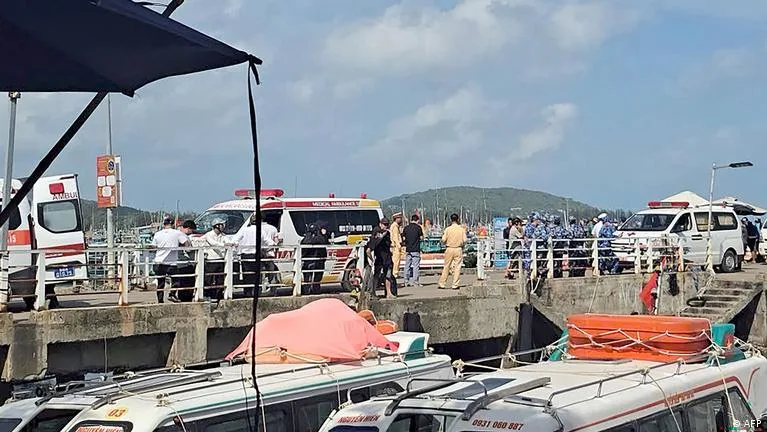
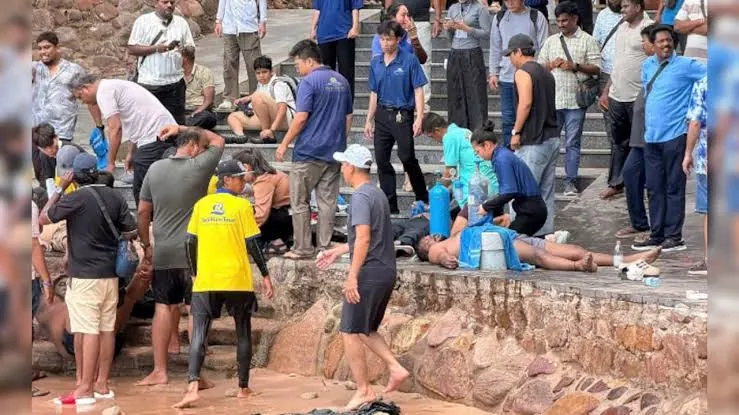
First, the capsize itself happened Saturday afternoon in rough seas and strong winds, conditions Vietnamese TV footage later confirmed. Rescue teams reportedly arrived within about five minutes, throwing life buoys to people struggling in the water. Jet skis then ferried survivors back to shore, while people already on the beach provided first aid to those pulled out.
Twenty one people were rescued. All fifteen who died were eventually recovered, some of them, according to witness accounts, trapped inside the capsized hull itself. The injured were taken to nearby hospitals, with one survivor later transferred to Cho Ray Hospital in Ho Chi Minh City for specialized treatment, remaining in critical condition.
Read More: Dhamaal 4 Opens in Theatres: Is Ajay Devgn's Comedy Franchise Still Worth the Ticket?
Then came the diplomatic and administrative response. Vietnamese Prime Minister ordered a formal investigation and directed authorities to review waterway and maritime safety standards in the region. On the Indian side, Prime Minister Narendra Modi expressed condolences and confirmed the Indian Embassy was providing assistance to affected families.
Finally, by Monday, the bodies of the fifteen victims were flown home, arriving in Mumbai, with home states coordinating onward travel for grieving families.
Real Details That Ground This Story
A few facts here matter more than the general summary suggests. Ten of the deceased were from Tamil Nadu, three from Andhra Pradesh, and two from Kerala. The group was largely traveling as part of a company trip organized by Lava International, an Uttar Pradesh based electronics manufacturer, for its employees, distributors and retail partners.
The boat's captain, Nguyen Hong Hai, 57, is now under investigation for alleged violations of waterway transport safety regulations, according to Vietnamese state media. That detail matters because it shifts this from a pure act of nature toward a question of whether proper safety protocols were followed at all.
Read More: Chrome 150 Android Back Button: The Tiny Menu Change Google Took Years to Ship
Mistakes People Keep Making When Reading This News
A common misunderstanding is assuming this was some remote, dangerous route far from civilization. It wasn't. Hon May Rut island sits only about six miles south of Phu Quoc, a heavily touristed area known for calm, clear waters. That's precisely what makes the Indian tourists Vietnam accident so unsettling, it happened in a place assumed to be safe, close to shore, on a route many others had taken before without incident.
Another mistake is assuming rough weather alone explains everything. Investigations into the captain's conduct suggest authorities themselves aren't ready to attribute this purely to natural conditions.
Read More: Avinash Narne Arrest: Inside the Bellevue Murder Case That Took Eight Months to Charge
Pro Tips Worth Remembering Before Booking a Boat Trip Abroad
If there's a practical lesson buried in this tragedy, it's this. Always check whether a tour operator's boats carry adequate life jackets for every passenger, and whether crew visibly enforce their use before departure. Ask about vessel capacity limits too, overcrowding on smaller boats has been a recurring factor in accidents like this one across Southeast Asia. And where possible, check recent safety records of the specific operator, not just general reviews of the destination.
Closing Thoughts
There's something quietly haunting about a half kilometer distance becoming the difference between an ordinary trip home and a tragedy that upends fifteen families permanently. The Vietnam boat capsize will likely fade from headlines within weeks, the way these stories often do, but for those families now arranging funerals instead of homecoming celebrations, that distance will probably stay measured in a very different way, for a very long time.
Disclaimer: This article is based on information available across the web. Parchar Manch does not take responsibility for its complete accuracy, as the content could not be fully verified.
FAQs
How many Indian tourists died in the Vietnam boat capsize?
Fifteen Indian tourists died after a speedboat capsized near Phu Quoc in southern Vietnam on Saturday.
Where exactly did the boat capsize happen?
The boat overturned less than half a kilometer from shore, shortly after leaving Hon May Rut Ngoai island, about six miles south of Phu Quoc.
What caused the boat to capsize?
Witnesses described rough seas, strong winds, and a large wave striking the vessel. The captain is under investigation for possible safety regulation violations.
Which Indian states did the victims belong to?
Ten victims were from Tamil Nadu, three from Andhra Pradesh, and two from Kerala.
Were the victims traveling for a specific reason?
Many were part of a company trip organized by Lava International for employees, distributors and retail partners.
What happened to the survivors ?
Twenty one people were rescued, with one remaining in critical condition and transferred to a specialized hospital in Ho Chi Minh City.