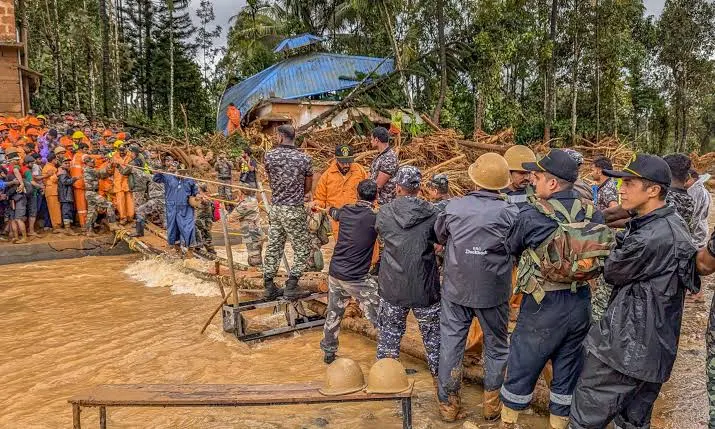
Wayanad Landslide Rescue Operations: Inside the Race Against Mud, Rain, and Time
There's a bus buried under seven to ten feet of mud right now in Kalladi, Wayanad. Empty, thankfully. But that detail alone tells you how much earth actually moved when this landslide hit. The Wayanad landslide rescue operations that began this week aren't some distant disaster update you skim past. They're a live, hour-by-hour effort to find people who were simply doing their jobs when the ground gave way.
Here's what happened, plainly. On Tuesday, July 7, 2026, around 11:15 in the morning, a landslide struck a tunnel construction site near Meenakshi Bridge at Kalladi, part of a project connecting Malappuram and Wayanad districts. Debris slid down within a 200 metre radius of the worksite, swallowing vehicles, site-office containers, and heavy machinery almost instantly. By the next morning, three deaths had been confirmed, with several more people still missing, engineers and security staff among them, not general laborers, since work had actually been suspended the day before.
Why This Actually Matters
You might be tempted to scroll past another landslide story. Kerala gets these during monsoon season, right? Sort of, but this one is different in a way worth pausing on. The area had received 265 mm of rainfall in just 24 hours before the slide, an amount that would overwhelm almost any hillside, let alone one already destabilized by active tunnel excavation. That combination, heavy rain plus ongoing construction, is exactly the kind of risk factor that shows up again and again in Kerala landslide news, and understanding it matters if you live near, work near, or simply travel through similar hill terrain.
There's also a quieter reason this matters. Every rescue operation like this reveals how a state responds under pressure, how fast agencies mobilize, how transparent officials are about numbers of dead and missing, and whether infrastructure decisions get questioned afterward. That transparency, or lack of it, shapes public trust for a long time.
Read More: BAT-BMS App E-Rickshaws Scandal: How a Chinese Battery Tool Became India's Weirdest Road Hazard
What's Actually Going On at the Site
Picture a hillside that's been cut into for tunnel work, already loosened soil, and then days of relentless rain. The ground simply couldn't hold. What came down wasn't just mud, it was a mix of soil, rock, and debris thick enough to bury a bus and construction containers completely. That's the core of it. No jargon needed.
The Kalladi landslide also blocked the only road route into the area, which initially slowed everything, ambulances, rescue vehicles, heavy earthmovers, all stuck outside a wall of mud they first had to clear before they could even begin searching properly.
How the Rescue Operation Is Unfolding
The response has moved in clear stages, and each one matters if you're trying to understand disaster response generally, not just this incident.
- Immediate mobilisation: NDRF teams from Meenangadi and Kozhikode, along with Rapid Response Force and Fire and Rescue Services, reached the site within hours.
- Zone-based search: Authorities split the disaster area into four zones for systematic searching rather than one chaotic sweep, a method that improves the odds of finding trapped survivors methodically.
- Cadaver and sniffer dogs deployed: Two cadaver dogs were on site early, with more arriving later, since dogs detect what machinery and eyes miss under thick mud.
Read More: Alia Bhatt Alpha Spy Thriller Finally Hits Theatres, But the Numbers Tell a Complicated Story
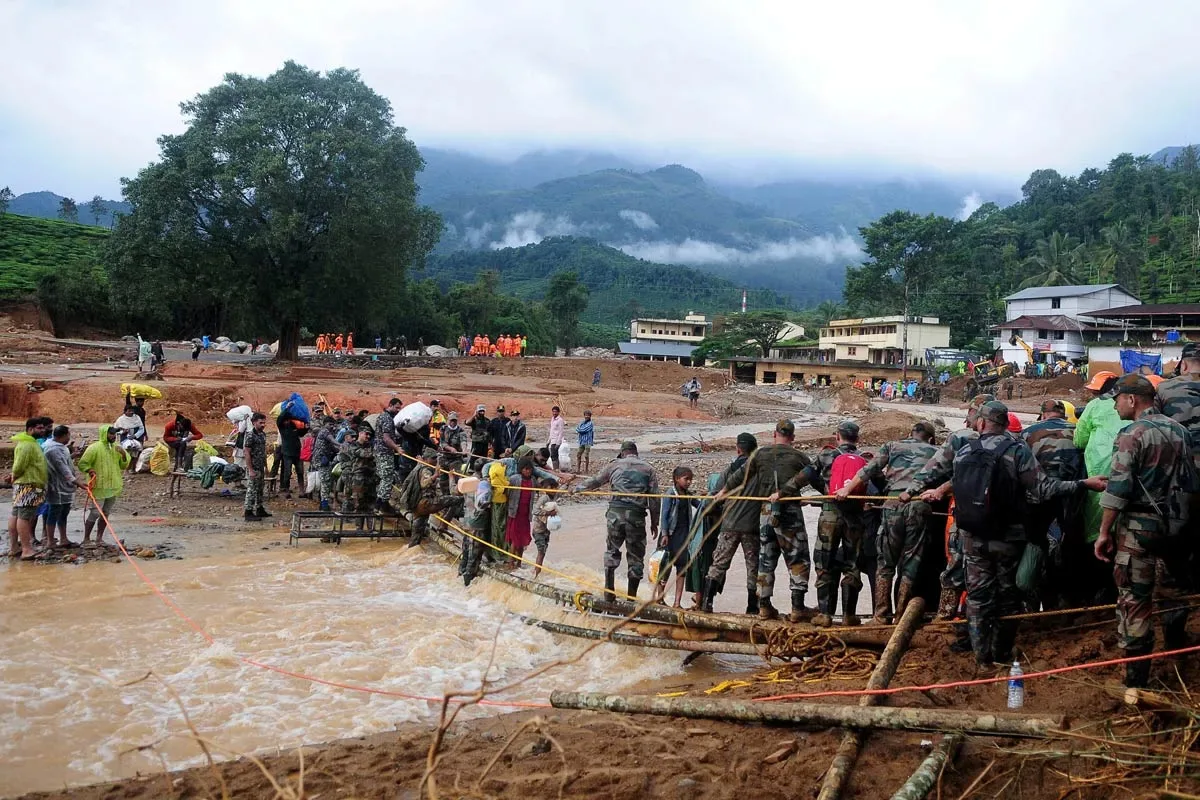
- Road clearance: By 4 AM Wednesday, full road connectivity to the site was restored, letting heavy machinery move in without obstruction, a turning point that sped up the entire NDRF rescue operation.
- Weather monitoring: The India Meteorological Department issued a yellow alert for continued heavy rainfall and strong winds through July 9, meaning teams are racing the next spell of bad weather too.
Real Numbers, Because They Matter Here
On day one, the operation involved 65 NDRF personnel, around 100 police officers, 158 Fire and Rescue and Civil Defence staff, and 52 workers from a local labour cooperative, alongside volunteers and residents. That's close to 400 people working one disaster zone. A legal case was also registered under Section 194 of the Bharatiya Nyaya Sanhita, typically applied where negligence contributes to loss of life, suggesting questions about the tunnel construction site will follow once the search phase ends.
Read More: India Summons Meta Over Instagram Child Abuse Ads: What Actually Happened and Why It Matters
Mistakes People Make When Following Disaster News
The biggest one is treating shifting numbers as inconsistency or cover up. Death and missing counts change hour to hour in real disasters, that's not confusion, it's how verification actually works. Another mistake, sharing unverified photos or rumors about casualties before officials confirm them. It spreads panic and rarely helps families waiting for real news.
Pro Tips for Understanding Situations Like This
If you're tracking updates, follow the state disaster management authority directly rather than aggregated social posts, numbers get distorted fast otherwise. And if you live in hill terrain during monsoon months, treat any nearby construction or excavation as a genuine risk factor, not background noise, especially after multiple days of heavy rain.
Closing Thoughts
Somewhere near Meenakshi Bridge right now, dogs are working through mud that used to be a road. Families are waiting on news that keeps arriving in small, uncertain pieces. Maybe the honest thing to say is that rescue operations like this rarely end with tidy closure. They end with numbers, confirmed, final, and a community that has to keep living beside the hillside that failed them.
Disclaimer: This article is based on information available across the web. Parchar Manch does not take responsibility for its complete accuracy, as the content could not be fully verified.
FAQs
How many people are missing in the Wayanad landslide?
As of Wednesday morning, five people remained missing after three deaths were confirmed, though early reports on Tuesday cited higher initial estimates before verification.
What caused the Kalladi landslide?
Heavy rainfall of 265 mm within 24 hours combined with ongoing tunnel excavation work destabilised the hillside near Meenakshi Bridge
Which agencies are involved in the rescue?
NDRF, Rapid Response Force, Fire and Rescue Services, Civil Defence, and a local labour cooperative are all working the site.
Is the area safe to access now?
Road connectivity was restored by 4 AM Wednesday, but a yellow weather alert remains in effect through July 9, so conditions can still change quickly.
Has any legal action been taken?
Yes, a case has been registered under Section 194 of the Bharatiya Nyaya Sanhita as investigations continue.