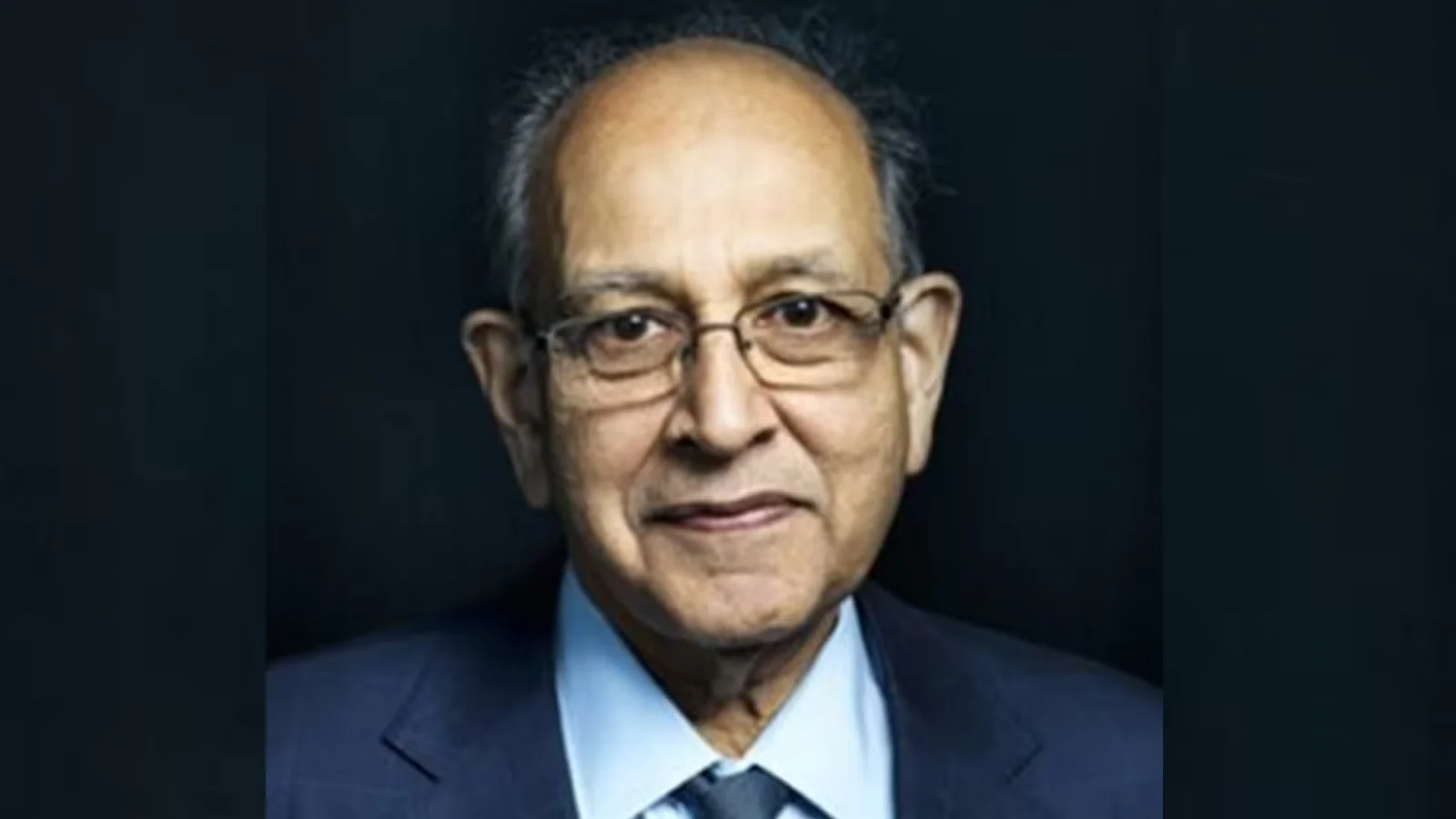
Why the Tata Trusts Board Meeting Was Blocked , And What It Reveals About a Quiet Power Struggle at the Heart of India Inc.
Something unusual happened on May 16, 2026. One of India's most powerful philanthropic institutions , Tata Trusts , was stopped from holding its own board meeting. Not by a court order. Not by a shareholder revolt. But by a government official, acting on a complaint that struck right at the trust's governance structure.
That is not normal. And it deserves a close look.
The Tata Trusts Board Meeting Postponement: What Actually Happened
The Tata Trusts board meeting postponement on May 16, 2026, was not the first. Just the week before, a planned meeting had quietly been called off without public explanation, even after the Bombay High Court declined to stay it.
This time, the Maharashtra Charity Commissioner stepped in directly. Under Section 36A(1) of the Maharashtra Public Trusts Act, the Commissioner issued a formal directive ordering the Tata Trusts to defer the scheduled board meeting and halt all future meetings until the completion of an official inspector inquiry.
The directive was blunt: if major decisions were taken while the inquiry was pending, it could cause "further complications and multiplicity of proceedings." Translation , do not meet, do not vote, do not decide anything significant, until we finish investigating.
The trigger was a complaint filed on April 18 by advocate Katyayani Agrawal, raising serious concerns about the composition of the Sir Ratan Tata Trust board.
Why the Regulator Intervened: The Life Trustee Problem
To understand what is at stake here, you need to know one thing: in September 2025, Maharashtra amended its Public Trusts Act. The amended Section 30A(2) now caps the proportion of perpetual or lifetime trustees on any charitable trust board at a maximum of 25 per cent of total board strength.
The complaint alleged that Sir Ratan Tata Trust violated this very rule. The Trust currently has six trustees. Three of them , Jimmy Naval Tata, Jehangir HC Jehangir, and Noel Naval Tata , are lifetime trustees. That is 50 per cent of the board. Double the permitted limit under the new law.
The Charity Commissioner found these concerns "serious" enough to warrant action.
Tata Trusts pushed back. Their position is that the 2025 amendment to the Maharashtra Public Trusts Act is prospective in nature, meaning it applies only to appointments made after September 1, 2025 , not to existing life trustees who were inducted before the law changed. They have reportedly obtained legal opinions supporting this reading. But an order issued without giving the Trust a prior hearing , what lawyers call an ex parte order , does not wait for those arguments.
Read More: BlackRock's Larry Fink Calls the AI Bubble Theory Dead Wrong — "We Have a Severe Shortage, Not a Surplus
Who Filed the Complaint, and Why That Matters
The Charity Commissioner's directive referenced representations made by Venu Srinivasan, a vice chairman of the Tata Trusts. That detail alone makes this story complicated.
Srinivasan is not an outsider. He is a senior trustee of the very institution whose meeting was blocked. His name appearing in an official regulatory directive , on what amounts to an internal governance dispute , signals just how fractured things have become inside one of India's most storied philanthropic structures.
The Sir Ratan Tata Trust and the Sir Dorabji Tata Trust together hold a controlling stake in Tata Sons, the holding company of the entire Tata Group. Decisions made at these trust board meetings are not just about charity. They ripple into the boardrooms of Tata Consultancy Services, Tata Motors, Jaguar Land Rover, Air India, and dozens of other entities.
The May 16 meeting was considered particularly high-stakes. Among the issues on the table: whether Tata Sons should pursue a public listing, the future tenure of Tata Sons chairman N. Chandrasekaran, and how the Trusts should be represented on the Tata Sons board. These are not minor agenda items. A listing of Tata Sons, if it were to happen, would be among the largest public offerings in Indian corporate history.
A Trust Divided: The Governance Dispute at Tata Trusts
The internal fault lines have been building for months. In November 2025, Neville Tata and former group leader Bhaskar Bhat were inducted into the Sir Dorabji Tata Trust without incident. Their induction into the Sir Ratan Tata Trust, however, was blocked , reportedly because Venu Srinivasan raised objections over procedural grounds. The proposal had reportedly been slipped into a catch-all agenda item rather than being formally listed in advance.
Earlier, in October 2025, former trustee Mehli Mistry was not renewed for life trusteeship. He filed a caveat before the Maharashtra Charity Commissioner, arguing he had a right to be heard before being effectively removed. The board, led by Noel Tata, had voted against his renewal.
That same month, Srinivasan himself was unanimously reappointed as a lifetime trustee , only for that appointment to be later revisited "in compliance with legal and regulatory requirements."
The governance disputes over trustee appointment rules, life tenure caps, and the Tata Sons listing debate have turned what was once a quietly powerful institution into something that looks increasingly like an open boardroom battle.
What Happens Next
Tata Trusts has confirmed it is examining the Charity Commissioner's directive. The Trust's formal position is that the order applies only to the Sir Ratan Tata Trust, not the Sir Dorabji Tata Trust, and that the direction was issued without giving them a chance to respond , a procedural flaw they may contest.
Read More: Born After 2008? You Can Never Legally Buy a Cigarette in the UK. Here Is What That Actually Means
The Bombay High Court was already approached by a litigant seeking to stay the meeting entirely. The Court reportedly expressed its displeasure at the conduct of that petition and declined to intervene , but separately, the Charity Commissioner acted on its own authority.
Until the inspector's inquiry is concluded and a report submitted, the board cannot meet. Given the complexity of the issues under examination, that could take time.
For India's corporate watchers, this saga is worth following closely. The Tata Trusts together control around 66 per cent of Tata Sons, which in turn anchors one of the world's most recognisable conglomerates. Any reshaping of Tata Trusts governance, whether through regulatory intervention or internal reform, has consequences far beyond philanthropy.
Closing Thoughts
There is something quietly significant about a charitable trust , built on the legacy of the Tata family's century-long commitment to India's development , finding itself at the centre of a regulatory standoff. These institutions were designed to be above the fray. The people who built them believed philanthropy and good governance were inseparable.
What the current situation reveals is not a crisis, but a reckoning. Laws change. Power transitions. Old arrangements, designed for different times, meet new regulatory realities. The Tata Trusts are not unique in facing this. But because of who they are and what they control, the world is watching.
Disclaimer: This article is based on information available across the web. Parchar Manch does not take responsibility for its complete accuracy, as the content could not be fully verified.
Read More: Google's REPLIQA Program: How Quantum AI and Life Sciences Are About to Change Medicine Forever
FAQs
What is the Tata Trusts board meeting postponement about?
The Maharashtra Charity Commissioner ordered Tata Trusts to defer its May 16, 2026, board meeting pending an inquiry into alleged violations of the 2025 amendment to the Maharashtra Public Trusts Act, which caps lifetime trustees at 25 per cent of board strength.
Why did the Charity Commissioner intervene in the Tata Trusts board meeting?
A complaint alleged that Sir Ratan Tata Trust had three lifetime trustees out of six total trustees , amounting to 50 per cent , which allegedly violates the amended Section 30A(2) of the Maharashtra Public Trusts Act. The Charity Commissioner found the concerns serious enough to order an inspector's inquiry and halt all board meetings until the inquiry is complete.
What was the May 16, 2026, Tata Trusts board meeting supposed to decide?
The meeting was expected to discuss critical issues, including whether Tata Sons should pursue a public listing, the future tenure of Tata Sons chairman N. Chandrasekaran, and how Tata Trusts would be represented on the Tata Sons board.
What is Tata Trusts' response to the Charity Commissioner's order?
Tata Trusts has stated the order is ex parte , issued without giving them a prior hearing. They maintain that the 2025 amendment to the Maharashtra Public Trusts Act applies only prospectively and does not affect lifetime trustees appointed before September 1, 2025. They are examining the directive.
Why does the Tata Trusts governance dispute matter for ordinary people?
Tata Trusts collectively control around 66 per cent of Tata Sons, which is the holding company of the Tata Group , an employer of hundreds of thousands of people across sectors like aviation, automobiles, technology, and steel. The outcome of this governance dispute could influence key decisions for one of India's most important conglomerates.