
World Leaks Ransomware Attack Exposes Data From India's Largest Nuclear Plant: What Actually Happened
Nineteen thousand files. That's the number sitting on a dark web page right now, tied to Kudankulam, the largest nuclear power plant in India. Not stolen from the plant directly, that distinction matters and we'll get to it, but from a contractor's server. The World Leaks ransomware attack on this data is the kind of story that sounds like fiction until you realize it's sitting in a Reuters wire report from this week.
If the words "ransomware" and "nuclear plant" in the same sentence just made your stomach drop a little, that reaction is fair. Let's walk through what's actually known, what isn't, and why the distinction between the two matters enormously here.
Why This Actually Matters
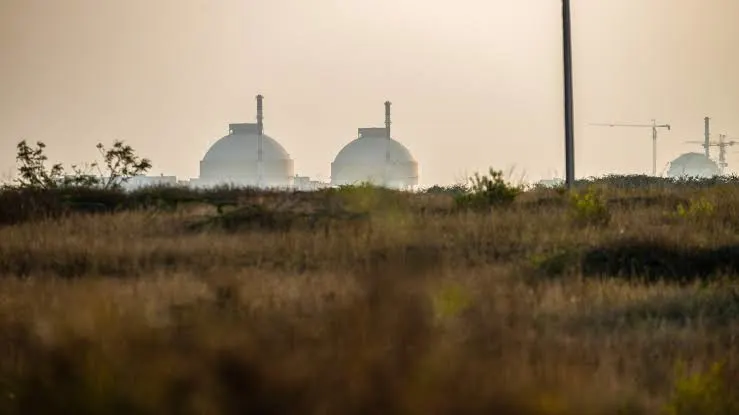
Nuclear infrastructure sits at a different level of concern than a typical corporate breach. When a retailer's customer database leaks, that's bad. When files connected to a nuclear facility's cooling systems and supplier network end up on a hacker's leak site, that touches something closer to national security. The Kudankulam Nuclear Power Plant, located in Tamil Nadu, isn't just any facility either. It's the largest of India's seven nuclear plants and central to Prime Minister Narendra Modi's plans to expand the country's atomic energy capacity.
So when a group calling itself World Leaks posts a cache of documents linked to this plant, even indirectly, it forces a conversation that goes beyond one company's bad month. It's about how a supply chain, dozens of contractors, vendors, and data hosts feeding into one sensitive facility, becomes the soft underbelly that attackers actually go after, because the plant's core systems are usually locked down far tighter than a contractor's server ever will be.
Read More: Marco Rubio India Visit: Why This Four-Day Trip Could Reshape the US-India Relationship
What the World Leaks Ransomware Group Really Is, Explained Simply
Here's the plain version. World Leaks is a known ransomware operation, the kind of group that breaks into a company's systems, steals data, and then demands payment to keep it private. When the target refuses to pay, the group posts the stolen files publicly on a site only reachable through specialized browsing tools, essentially the digital equivalent of dumping stolen documents on a street corner because nobody paid the toll.
This isn't a new name in security circles. World Leaks has previously targeted Nike and India's Tata Group. In one earlier case, the group reportedly demanded $1.5 million for Tata files containing confidential component designs tied to Apple and Tesla, and released the data anyway after Tata reportedly ignored the demand. The pattern with Kudankulam appears to follow the same playbook.
Read More: She Went to the Salon, Came Back Home, and Never Woke Up: The Twisha Sharma Case That Has Shaken India
How This Particular Breach Unfolded, Step by Step
- The target wasn't the plant itself. The files were traced to a server belonging to Reliance Infrastructure, part of Indian businessman Anil Ambani's Reliance Group, which serves as one of the plant's contractors. The server was hosted by a third-party Indian data centre provider called Yotta.
- Suspicious activity was flagged in late May. Yotta said it noticed suspicious activity on the server on May 29, and that it terminated the activity and prevented what it described as suspected ransomware execution at the time.
- The breach claim surfaced weeks later. Reliance Infrastructure reportedly informed Yotta at the end of June that external threat actors were claiming a data breach, even though Yotta says it has not been able to independently verify those specific claims.
- The data went public. World Leaks eventually posted the cache, roughly 19,000 files, including purported blueprints and supplier lists, labeling the source as Reliance Group.
- Multiple agencies got involved. The Nuclear Power Corporation of India has been in communication with Reliance about the incident, and CERT-In, India's main cybersecurity response agency, is looking into it.
Read More: Your Chrome Browser Has Critical Security Holes , Here Is What Google Just Did About It
Real-World Example: What's Actually in the Leaked Files
This is where nuance matters. The documents posted do not appear to touch the reactors' core systems, which are supplied by Russia's state-owned Rosatom, generally the most tightly secured layer of any nuclear facility. What the leak reportedly does include are blueprints for ventilation and cooling systems tied to specific reactor units, along with supplier and facility layout details.
Security researchers note that even peripheral information like this carries real risk. According to Nickolas Roth of the Nuclear Threat Initiative, this kind of data breach could let an adversary map out a facility's support systems and identify exactly which access points reach which systems, information that's less about blowing something up directly and more about building a map for future attacks.
Mistakes People Keep Making When They Hear "Nuclear Plant Hacked"
The biggest mistake is assuming the reactor itself was hacked. It wasn't, at least not based on what's been confirmed so far. This was a contractor breach, several steps removed from the plant's core operational technology. That distinction doesn't make the incident harmless, but it does change the actual threat model, and conflating the two spreads unnecessary panic while missing the real lesson: supply chains are often the weakest link, not the primary target.
Another mistake is treating this as an isolated event. It isn't. This is reportedly the second time Kudankulam has been linked to a cyber incident, after malware tied to a North Korean hacking group was found on the plant's administrative network back in 2019.
Read More: Sundar Pichai Just Redefined Google Search, and It Was Over a Pint
Pro Tips for Understanding Cybersecurity Stories Like This
If you want to read incidents like this critically, always ask who was breached versus who was named. Contractors, vendors, and hosting providers frequently get compromised while the headline mentions the larger, more recognizable entity attached to them. Also pay attention to verification language. Yotta explicitly said it could not verify the threat actor's specific claims, even while acknowledging suspicious activity occurred, a distinction worth noticing rather than skimming past.
Closing Thoughts
India ranks third globally for data breaches, behind only the United States and France, with close to 29 million compromised accounts last year according to cybersecurity firm Surfshark. That statistic alone should reframe how we read incidents like this one. The World Leaks ransomware case at Kudankulam isn't a freak occurrence, it's a visible symptom of a much larger pattern playing out quietly across countless contractors and vendors that most of us never think about until their name shows up next to the word "nuclear."
Read More: Cockroach Janta Party Founder Abhijeet Dipke Faces Caste Attacks After Revealing Dalit Identity on X
Disclaimer: This article is based on information available across the web. Parchar Manch does not take responsibility for its complete accuracy, as the content could not be fully verified.
FAQs
Was the Kudankulam Nuclear Power Plant itself hacked?
No, based on current reporting. The breach occurred on a server belonging to contractor Reliance Infrastructure, hosted by data centre provider Yotta, not on the plant's own core systems.
What is World Leaks?
World Leaks is a ransomware group known for stealing corporate data and publishing it on a dark web site when victims refuse to pay ransom demands. It has previously targeted Nike and India's Tata Group.
Does the leaked data include reactor control system details?
Reported details indicate the leaked files relate to ventilation and cooling systems for specific reactor units and supplier information, not the reactors' core systems, which are supplied by Russia's Rosatom.
How many files were leaked in this incident?
Roughly 19,000 files were reportedly posted by World Leaks, including purported facility blueprints and supplier lists.
Who is investigating the breach?
The Nuclear Power Corporation of India has been communicating with Reliance about the incident, and CERT-In, India's national cybersecurity response agency, is examining the matter.
Has Kudankulam faced cyber incidents before?
Yes. In 2019, malware linked to a North Korean hacking group was reportedly found on the plant's administrative network, making this the second known cyber-related incident tied to the facility.