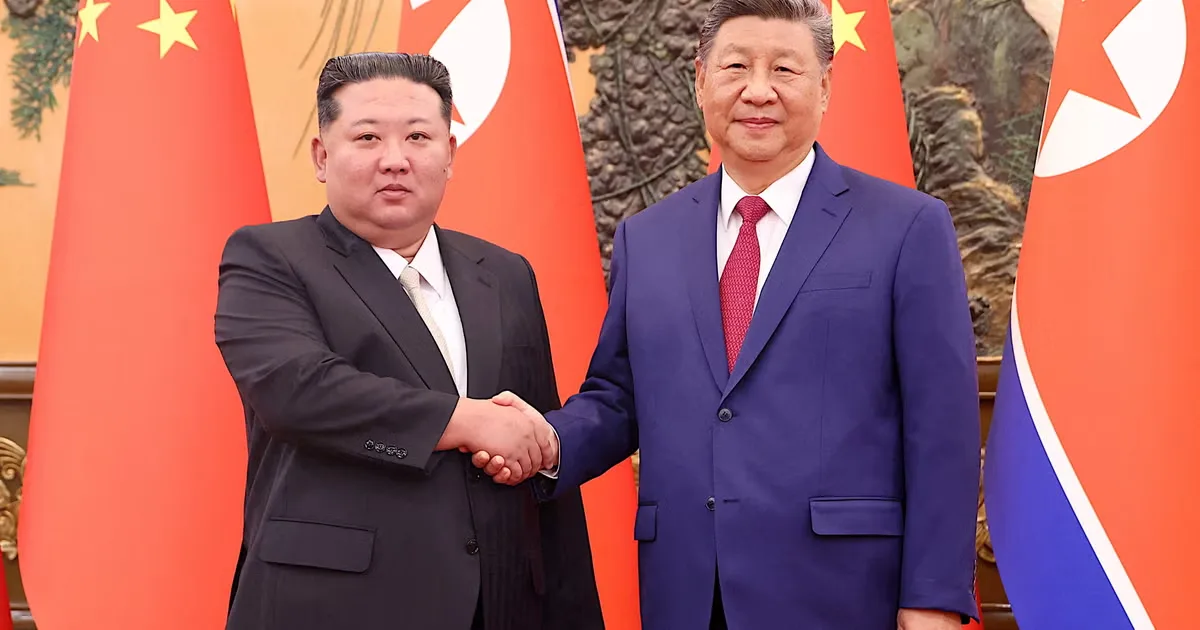
Xi Jinping Visits North Korea After Seven Years: What Kim Jong Un Told Him Before He Even Landed
Seven years is a long time in geopolitics. The last time Chinese President Xi Jinping set foot in Pyongyang was 2019. A lot has changed since then. North Korea has deepened its military alliance with Russia. Kim Jong Un has weapons systems that did not exist before. And the broader regional chess game has shifted in ways that make this visit, on June 8 to 9, 2026, one of the most closely watched diplomatic events of the year.
Xi Jinping's North Korea visit is not just a courtesy call between old allies. It carries the kind of weight that comes from years of complicated silence.
Why the Xi Jinping North Korea Visit Matters So Much
Think of China and North Korea like two old business partners who have not met face-to-face in years, and whose relationship has quietly become strained while one of them got a new, powerful client. That new client is Russia. North Korea's deepening ties with Moscow since 2022 have meaningfully reduced Pyongyang's dependence on Beijing, and that is a problem China cannot simply ignore.
Kim Jong Un has become bolder. He has weapons, a military relationship with Putin, and considerably less need to be deferential toward Xi. So when China's president flies to Pyongyang, the dynamic is different from what it was in 2019. This time, Beijing is visiting an emboldened partner, not a dependent one.
Xi has also just met with Trump and Putin in the weeks before this visit, making this the third leg of a significant diplomatic circuit. The sequence matters.
What North Korea Said Before Xi Even Arrived
The signals from Pyongyang in the days before the visit were sharp and clear. Kim Yo Jong, Kim's powerful sister, declared that North Korea's nuclear status is "absolutely non-negotiable" and mocked what she called the United States' "anachronistic dream" of denuclearisation. Reuters confirmed that North Korea formally reaffirmed its nuclear status a day before Xi arrived.
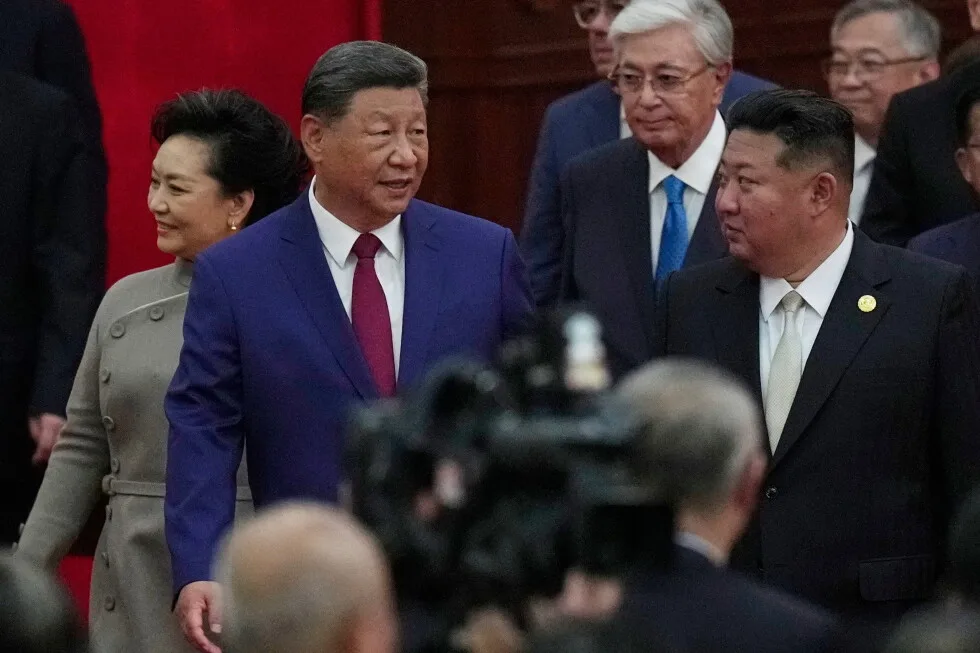
This is North Korea's version of setting the table before a guest arrives. It is a message, delivered publicly and deliberately, that whatever Beijing may want to discuss regarding nukes, Pyongyang is not interested. The nuclear programme, Kim's sister said, is a "line of no retreat."
Analysts tracking North Korea's pre-visit posturing noted a dual-track strategy: showing greater support for Beijing's positions on Taiwan and Japan while simultaneously warning that nuclear status is non-negotiable. That is a carefully calibrated move, offering China something while drawing a firm red line.
What China Wants From This Meeting
Xi arrived in Pyongyang with goals that are not difficult to read, even if they are hard to achieve. China wants to reassert influence over a country that has been drifting closer to Russia. It wants to be seen as relevant to any resolution of the Korean Peninsula nuclear issue. And it wants to counter the perception that Beijing is losing its grip over its most important buffer state in Northeast Asia.
In his signed article ahead of the visit, Xi described China-DPRK ties as "invincible" and said he looked forward to talks with Kim on advancing bilateral relations. Chinese state media framed the visit as writing "a new chapter of friendship."
Whether that friendship still means the same thing to both sides is the real question.
The Bigger Picture: China, Russia, and North Korea's Growing Ambitions
The Economist observed that China and Russia are competing for influence over North Korea, a dynamic that would have seemed unlikely just a decade ago. North Korea's weapons assistance to Russia during the Ukraine war has elevated Pyongyang's international standing in ways Beijing did not expect and does not fully control.
For Xi, this visit is partly about reasserting that Beijing still matters. It also potentially puts a Trump-Kim summit back on the table, since any US-North Korea engagement would likely need Chinese cooperation to move forward. Asia Times noted this explicitly, suggesting Xi's visit could set the stage for renewed US-North Korea diplomacy.
That is a lot riding on a two-day trip.
Closing Thoughts
Xi Jinping landing in Pyongyang is a signal to multiple audiences at once. It tells Washington that China remains central to Korean Peninsula dynamics. It tells Moscow that Beijing has not abandoned its role as North Korea's traditional patron. And it tells Kim Jong Un that China, despite everything, still considers this relationship worth flying for.
Whether Kim listens is the part nobody knows yet.
Read More: Delhi Hotel Fire Deaths: 21 Lives Lost in Malviya Nagar Blaze That Was Waiting to Happen
Disclaimer: This article is based on information available across the web. Parchar Manch does not take responsibility for its complete accuracy, as the content could not be fully verified.
FAQs
When was Xi Jinping's last visit to North Korea before this one?
Xi Jinping last visited Pyongyang in 2019. The June 8 to 9, 2026 visit is his first trip to North Korea in nearly seven years.
What is the main purpose of Xi Jinping's North Korea visit?
China aims to reassert influence over North Korea, which has grown closer to Russia in recent years, and to signal Beijing's continued relevance in Korean Peninsula diplomacy.
Did North Korea send any message before Xi arrived?
Yes. Kim Jong Un's sister Kim Yo Jong publicly declared North Korea's nuclear programme "absolutely non-negotiable" and mocked US denuclearisation efforts, just before Xi's arrival.
What did Xi Jinping say about China-North Korea relations?
In a signed article ahead of the visit, Xi described China-DPRK ties as "invincible" and expressed his desire to advance bilateral relations through direct talks with Kim Jong Un.
How does Russia factor into this visit?
North Korea has developed significant military ties with Russia since 2022, reducing its reliance on China. Xi's visit is partly a response to Beijing's concern about losing influence to Moscow over Pyongyang.
Could this visit affect US-North Korea diplomacy?
Some analysts believe Xi's visit could put a potential Trump-Kim summit back in consideration, since US-North Korea engagement typically requires some level of Chinese involvement to proceed.