Yoga for Beginners at Home: A Real Guide to the Basics of Yoga
The first time that most people do Yoga for Beginners at home, they lay out a mat, lie down and realise they don't know what to do next. This is a common occurrence. Nobody hands you a manual. This guide was created to help you because yoga for those who are new to yoga at home shouldn't be an exercise in guesswork. It should be as if you have a friend who is right beside you, guiding you through things like a kind friend would, not like a textbook.
Why Yoga for Beginners at Home Actually Matters
This is the reason people seek yoga for beginners at home: gyms can be intimidating, studios are expensive, and mornings are not enough time. An at-home yoga routine can eliminate almost any reason. You don't need an instructor or require anyone to watch you struggle through a posture. What changes when you learn the fundamentals of yoga practice for novices at home is easy. It is no longer viewed as a chore, and you begin considering it as a peaceful time that is yours alone.
What Yoga for Beginners at Home Really Is
Remove the spiritual language for a moment. Yoga, at its heart, is controlled movement that is accompanied by controlled breathing. Consider it less of an exercise and more of the conversation you have with the body's breath and your own. When people speak of the benefits of yoga to beginners in your home generally, they are referring to two things in combination: beginner yoga poses, which increase the flexibility and strength of your body, as well as the pranayama breath-work exercises, which help to calm nerves. Both are effective without each other. Any reputable pranayama breathing guide will tell you the same. Poses without control of breath are nothing more than stretching. Breath control without movement is just being still.
How to Build a Home Yoga Routine, Step by Step
Beginning in Yoga for Beginners at home doesn't require a lot; just a handful of yoga mats can be a huge aid.
Before you start, make sure you have your yoga mat's basic requirements. A quality mat with grip and comfortable clothing, as well as an uncluttered corner of a room, is enough. Other than that, the Yoga mat basics checklist, such as blocks, straps, and bolsters, is all optional. There is no need for expensive equipment to begin an at-home yoga routine. You can purchase them later if they are needed at all.
Then, start with breathing instead of poses. Place your feet on the floor, close your eyes and do easy breathing exercises called pranayama for two to three minutes. Take a deep breath through your nose, hold for a few seconds, and then exhale slowly at the same rate you breathed in. The mind is calmed before your body moves, and it is an important step that many beginners do not take, only to regret it later.
Third, you can move into third, move into a sun salutation to begin a beginner sequence. Twelve linked poses performed slowly in sync with breathing. Each trusted beginner sun salutation guide will say the same fact: speed does not really matter, breathing is the most important thing. It can warm every major muscle group in less than five minutes and is the foundation of many yoga at-home routine patterns across the globe. Doing the sun salutation those who are new to yoga routinely is, in fact, the most effective method for those who are new to yoga to become more steady in the span of a week.
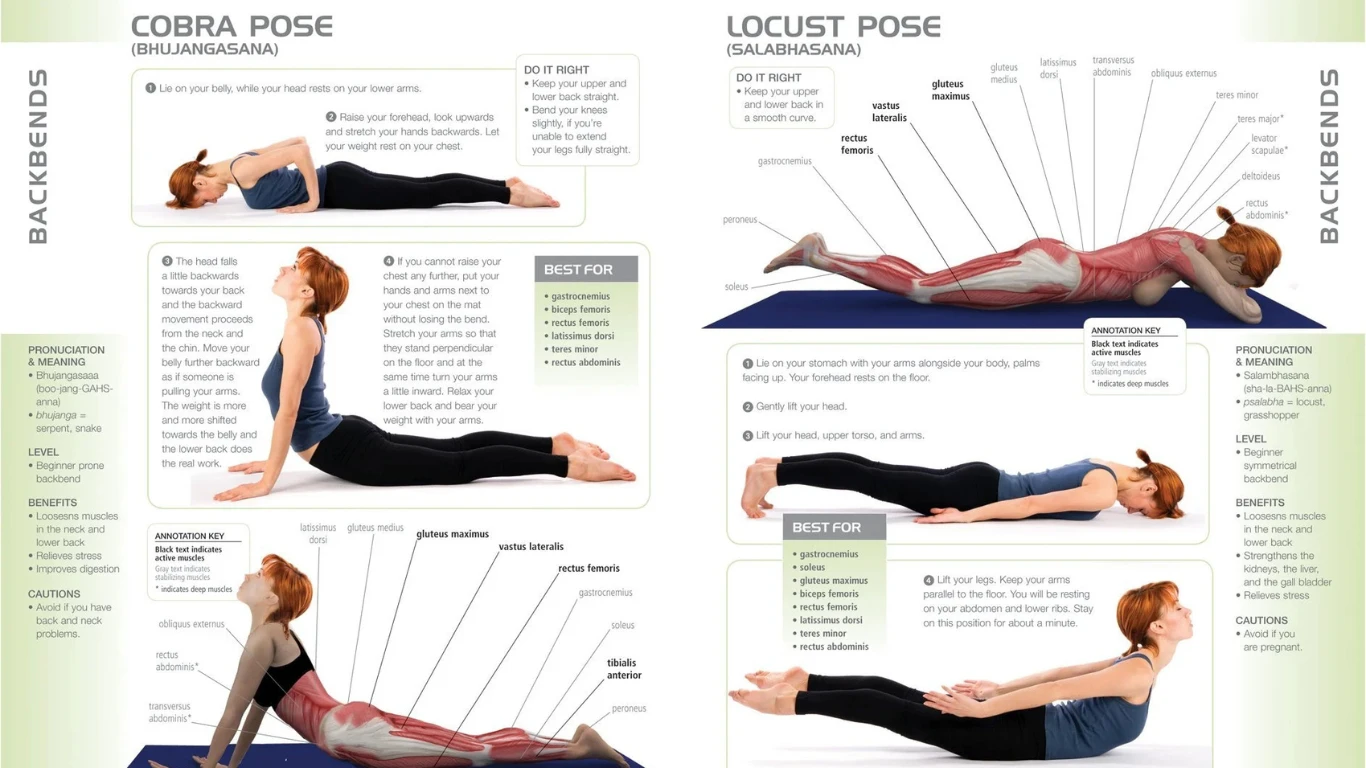
Fourth, incorporate a handful of yoga poses for beginners, which are held for thirty seconds at a time. Downward dog, child's posture, cat-cow, and a simple forward fold will cover the majority of the poses a beginner requires. There are no additional yoga mats needed other than the mat.
Fifth, finish with a couple of minutes of quiet in a comfortable position and breathing normally. This is the point where the true benefits are realised. The yoga practice for novices gets absorbed into your body.
Real World Examples
An employee who practices Yoga for Beginners at home may take 15 minutes before checking emails by doing the beginner sun salutation flow, followed by three beginner yoga postures. Students who are under anxiety over exams might be able to lean more into breathing exercises called pranayama at least twice per day. A new mom who squeezes into a routine of yoga at home in nap time could depend solely on yoga poses for beginners and not follow the sequence on certain days. Neither requires the facilities of a yoga studio. Both do yoga as a real practice.
Must read: How Yoga & Meditation Improve Mental Health (Science-Backed Benefits)
Mistakes People Keep Making, and Why
The most frequent error when it comes to yoga for those who are new to yoga is rushing during a sun salutation beginner sequence. The average person will watch a 15-minute video and attempt to follow the speed of a person who has been practising for years. Reduce your speed. There is no one grading your performance.
Another error is holding your breath while doing an exercise. It is not typically noticed when you are in a stretch that is uncomfortable. Relax through the discomfort, but don't slam against it.
Another is skipping the yoga at home when you're feeling low and then resigning after missing one week. The consistency of your practice is better than the intensity. Five minutes a day is more valuable than 40 minutes every month.
Pro Tips That Actually Help
Learn yoga with beginners in your home simultaneously each day. The body responds to the rhythm.
Make sure to keep your yoga mat and other essentials near the door or on your bed, where you can see them, so the routine isn't hidden from your view. A messy space defeats the purpose of having an at-home routine.
If you are trying to master yoga for beginners or the yoga sun salutation to help beginners flow, record yourself periodically. This may sound uncomfortable, but it can reveal the mistakes that mirrors cannot see.
Take breathing exercises in pranayama as non-negotiable and not an option. They help to train the nervous system quicker than postures alone.
Closing Thoughts
There's something incredibly determined about someone who doesn't stop unrolling their mats, no matter the days when it feels like a waste of time. Yoga for those who are new to yoga at home is not often announcing its benefits in a loud manner. It is a slow process, resulting in more restful sleep, a less agitated response to a stressful email and a spine that doesn't complain as much a week later. Start with a small amount. Make sure the practice isn't perfect. This is, in fact, the purpose.
Must read: Home vs Gym Workout Plans: Which Gives Better Results?
FAQs
What is the ideal length for yoga classes for beginners at private sessions at home run?
Ten to twenty minutes is enough to get started.
Do I require a yoga mat to begin my own yoga practice at home?
A mat helps with grip and comfort; however, an unfolded towel or blanket will do for the initial few weeks. The real yoga mats are available once the practice is established, but not before.
What time of day is ideal for yoga beginner postures?
Mornings suit most people because the body is in a state of relaxation and the mind is less scattered, but evenings are equally good to wind down. Keeping your yoga mat essentials close to your bed makes morning yoga for beginners difficult to miss.
Can breathing exercises in pranayama be completed without yoga postures?
Yes. Pranayama breath exercises can stand by themselves, and they are the most convenient starting point for those who are completely new to yoga.
Do you find the sun salutation for novices difficult to master?
Not particularly. It may appear complicated initially; however, the 12 steps are repeated in a predictable pattern, which becomes automatic after about a week or so.
When should someone practice yoga at home for beginners to see the results?
Four to five sessions per week, including shorter ones, are likely to noticeably change within the course of a month.