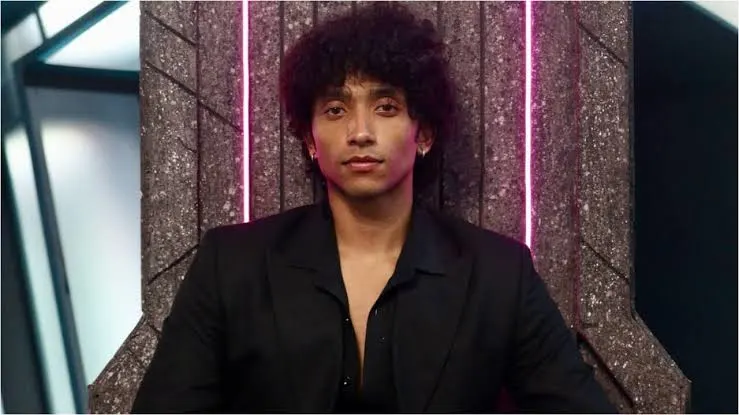
Yogesh Rawat Shoplifting Confession On Lock Upp 2: Why This Was The Most Uncomfortable Task Yet
There's a particular kind of silence that falls over a room when someone admits something they clearly weren't planning to say out loud. That's what happened on the latest episode of Lock Upp 2, when Yogesh Rawat sat in front of the other contestants and said, plainly, that he used to shoplift. Not once. Not out of desperation. For years. And the strange part, the part that made everyone in that house go quiet, is that he didn't need to steal. He could afford whatever he was taking.
That's the Yogesh Rawat shoplifting confession in one line. But the details matter, and so does what it says about confession-based reality TV, which is exactly what Lock Upp has built its entire identity around.
Why This Actually Matters
You might be wondering why a confession on a reality show deserves this much attention. Fair question. Here's the honest answer: it matters because it wasn't performed for sympathy. Most confession segments on shows like this are built for tears, for redemption arcs, for the audience to feel something warm by the end. This one didn't offer that. Yogesh Rawat admitted to shoplifting nearly Rs 60,000 worth of goods over time, and he said he did it for the thrill, not because he needed the money.
That's uncomfortable in a way that emotional confessions usually aren't. It forces the viewer to sit with a harder question: what happens when a habit isn't about survival, but about the rush of getting away with something? That's a more universal, and frankly more relatable, kind of confession than most people expect from a Netflix reality format.
Read More: Australia Wins Women's T20 World Cup: A Seventh Title, a Record Drought Ended, and Lord's Falls Quiet
What This Task On Lock Upp 2 Really Was
Let me back up and explain the setup, because it matters for context. The task was hosted by Farah Khan, and it involved contestants playing as "controllers" trying to protect their assigned "dependents." Yogesh Rawat was playing as Madhuri Grover's dependent in this particular round. When the challenge wrapped up, he was the one selected to reveal a personal secret in front of the house.

Think of it like a pressure valve built into the show's format. Lock Upp has always leaned on confession tasks to keep the emotional stakes high, and this season is no different. Contestants who might otherwise keep their guard up are pushed, through game mechanics, into a corner where honesty becomes the only way forward. It's a format choice, and it's a deliberate one, because confession television performs well and keeps audiences talking.
How The Confession Unfolded, Step By Step
Here's roughly how the moment played out inside the house.
First, the task concluded and Yogesh was named as the contestant who had to share a secret. Second, instead of something emotional or vulnerable in the way audiences expected, he told the group about a long-running habit of stealing items from stores. Third, he clarified, almost immediately, that money was never the reason. He said the excitement of doing it was what kept him going back to it.
Fourth, Ram Kapoor pushed back. He questioned whether Yogesh actually understood the seriousness of what he'd just admitted to the entire house, and to a national audience. Fifth, Yogesh responded that his followers already knew about this part of his past, and that he had stopped once he realised it was wrong. Ram Kapoor's reaction to that was pointed. He told Yogesh not to smile while discussing something this serious, a moment that quickly became one of the most talked-about exchanges of the episode.
Real-World Examples: Why This Confession Resonated
This is where the story stops being just about one contestant and starts saying something about people in general. Shoplifting driven by thrill rather than need isn't rare, actually. Behavioural researchers have long noted that a portion of shoplifting cases, especially among people who can financially afford the item, is linked to impulse control, stress relief, or the adrenaline of risk rather than financial hardship. It's the same psychological territory as compulsive spending or certain forms of self-sabotage. People do things not because they lack options, but because the act itself scratches an itch.
Seeing this play out on a mainstream reality show, in front of Farah Khan, Riteish Deshmukh, and fellow contestants, gave the topic a visibility it rarely gets in casual conversation. Most people don't talk about this kind of behaviour openly. Yogesh Rawat, whether intentionally or not, did.
Mistakes People Keep Making When They Talk About This
A common mistake viewers make is assuming a confession like this is either fully genuine or entirely for show. It's rarely that simple. Reality TV format aside, the underlying admission, that someone repeatedly did something they knew was wrong purely for the feeling it gave them, tracks with real patterns of behaviour psychologists actually study.
Another mistake: judging the tone instead of the content. Ram Kapoor's frustration wasn't really about whether Yogesh smiled. It was about whether the weight of the admission was landing the way it should. That distinction gets lost easily when audiences are scrolling clips instead of watching the full context.
Pro Tips For Understanding Confession-Based Reality TV
If you want to actually get something useful out of watching shows like Lock Upp 2, here's a quieter observation. Watch for the follow-up reaction, not just the confession itself. The way other contestants respond, Ram Kapoor challenging Yogesh here is a good example, usually tells you more about the show's honesty than the confession does on its own. Producers can engineer a reveal. They can't fully engineer how someone in the room reacts in real time.
Also worth noting: Lock Upp 2 has been building an entire season around these disclosures. Ram Kapoor himself shared an account of abuse he experienced at age 13 during an earlier confession round this season, which sets a serious tone that carries into moments like Yogesh's.
Closing Thoughts
What stays with you after watching this isn't really the shoplifting itself. It's the ordinariness of it, the fact that someone stood in a room full of cameras and admitted to something most people carry quietly, if they carry it at all. Lock Upp 2 keeps finding ways to turn its house into a confessional booth, and this season, between Akanksha and Yogesh's unresolved tension, Ram Kapoor's own disclosures, and now this, it's clear the show is betting everything on people telling the truth when the format leaves them no other option.
Whether that's good television or something slightly uncomfortable to watch depends entirely on how you feel about honesty when it isn't polished.
Read More: India Summons Meta Over Instagram Child Abuse Ads: What Actually Happened and Why It Matters
Disclaimer: This article is based on information available across the web. Parchar Manch does not take responsibility for its complete accuracy, as the content could not be fully verified.
FAQs
What did Yogesh Rawat confess to on Lock Upp 2?
He admitted to shoplifting items worth close to Rs 60,000 over several years, saying he did it for the thrill rather than financial need.
Was Yogesh Rawat's confession part of a task?
Yes. It came during a task hosted by Farah Khan where contestants played as controllers protecting dependents. Yogesh was Madhuri Grover's dependent and was chosen to reveal a secret once the task ended.
How did Ram Kapoor react to the confession?
Ram Kapoor questioned whether Yogesh understood the seriousness of the admission and asked him not to smile while discussing it, leading to a tense exchange.
Is this connected to the Yogesh and Akanksha storyline on Lock Upp 2?
Not directly, but both storylines are part of the same season's pattern of confession-driven drama that has kept Lock Upp 2 in constant conversation online.
Why do people shoplift even when they can afford items?
It's often linked to impulse, stress, or the psychological rush of risk-taking rather than financial need, a pattern seen in real behavioural research and echoed in Yogesh's own explanation.