AI-Designed Miniproteins Just Unlocked One of Medicine's Most Elusive Drug Targets
For decades, the pharmaceutical industry has known exactly which receptors it wants to control. The problem was always getting there. G protein-coupled receptors, or GPCRs, sit at the boundary of virtually every living cell and regulate nearly everything the human body does. Pain. Hunger. Vision. Blood pressure. Heart rate. And yet designing drugs that could precisely activate or switch off these receptors has been, for most of modern medicine, close to impossible. That may have just changed.
Why GPCRs Matter More Than Most People Realise
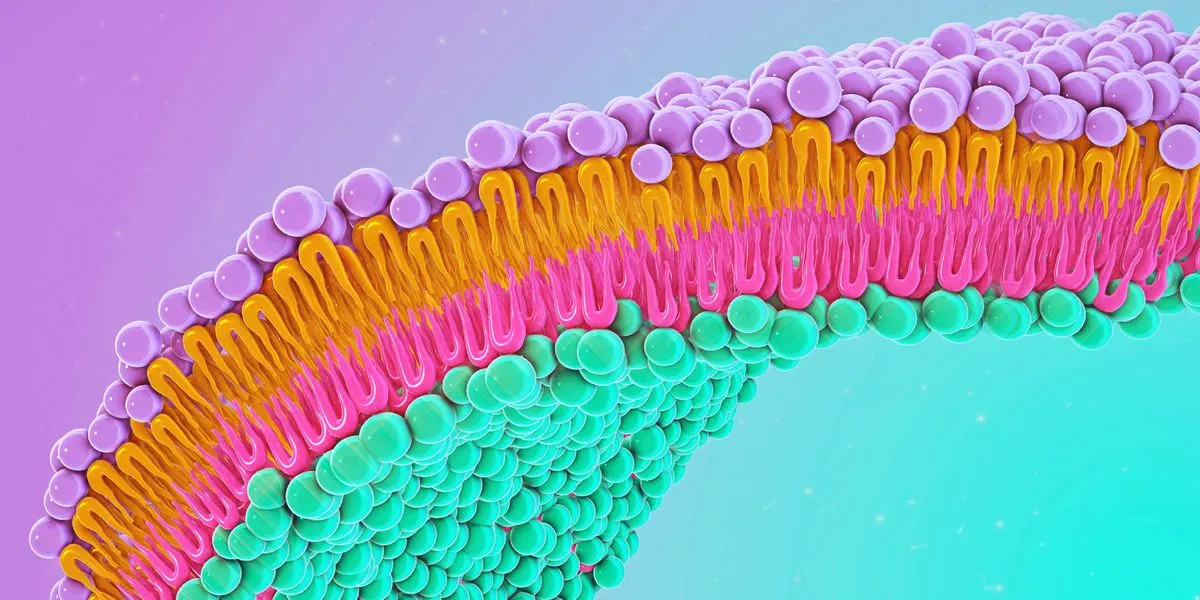
GPCRs sit in the plasma membrane, the boundary that defines the inside and outside of a living cell. They communicate with nearly every physiological process in our bodies, from the ability to see and smell, to sensing of adrenaline, insulin, nutrients and medicines.
About a third of all approved drugs in existence already work by targeting GPCRs in some way. But that figure masks a deeper truth: hundreds of known GPCRs remain essentially undruggable with current tools. Not because scientists do not want to target them. Because existing drug molecules simply cannot reach or control them reliably.
Many screening approaches require receptors to be removed from their native membrane environment, either by solubilisation or by mutating membrane-facing residues to improve stability. Both strategies risk distorting the receptor's natural conformation, making it difficult to identify biologics that will function correctly in cells.
That is the core frustration. Scientists kept trying to study and target these receptors under conditions that fundamentally altered them.
What the New Research Actually Did
A study published in the journal Nature in May 2026, led by Skape Bio and researchers at the University of Washington's Institute for Protein Design, describes a new method for solving this problem from the ground up. The study shows for the first time that AI can be used to create computationally designed proteins to activate or block GPCRs.
The key tool is the AI-designed miniprotein. These are small, purpose-built protein molecules constructed computationally from scratch, meaning no natural template. They are designed to match the specific shape and state of a particular GPCR, slipping into the receptor's binding pocket and either switching it on or switching it off.
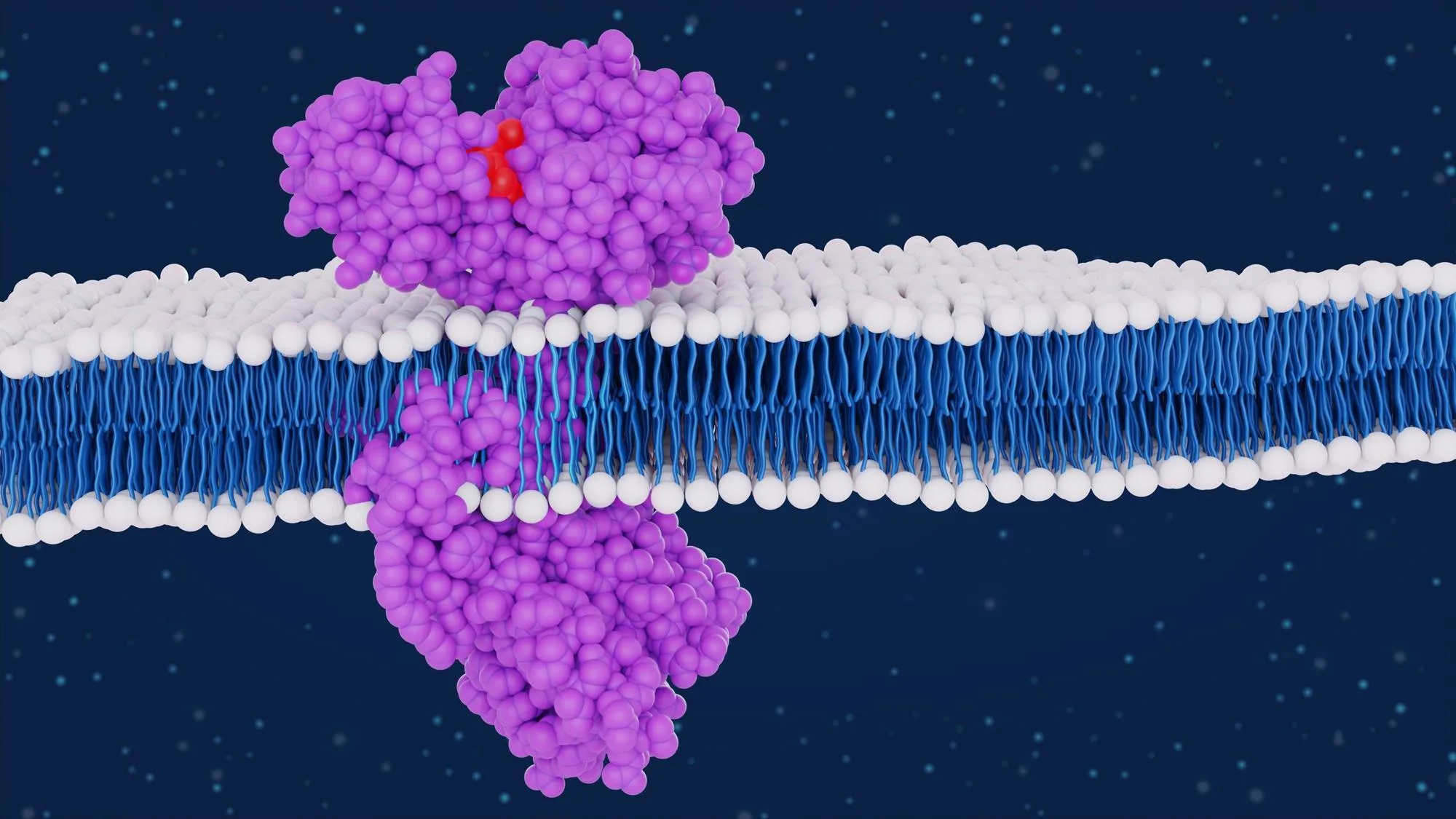
The research team developed a suite of design strategies to create miniproteins capable of slipping into the deep, flexible pockets that govern GPCR signaling. These pockets shift shape depending on whether the receptor is active or inactive, making them difficult to target with conventional biologics. By designing molecules that recognise specific receptor states, the team generated agonists for receptors involved in itch and pain, and antagonists for receptors implicated in cancer, metabolic disease such as diabetes and obesity, and migraine.
Eleven different GPCR targets. Functional molecules produced against all of them.
How the Screening System Was Redesigned
The protein design alone was not enough. The team also had to build a better way to test whether the designed miniproteins actually worked.
To accelerate the discovery of designed proteins targeting GPCRs, the researchers also invented a new screening system. Traditional screening is difficult for these receptors because many methods require that they be purified, stabilised, or otherwise altered in ways that can change their signalling. By working directly in living human cells, the new system can test tens of thousands of proteins against GPCRs while keeping the receptors in the cell membrane.
This matters enormously. Testing in a native cellular environment means the results reflect how a drug candidate would actually behave in the body, not in a tube under artificial conditions.
Skape Bio and What Comes Next
Skape Bio was founded in 2025 as a spinout of the BioInnovation Institute and the University of Washington's Institute for Protein Design. The company is building a platform for commercial use that combines AI-enabled protein design with high-throughput screening in living human cells to develop functional miniprotein agonists and antagonists across GPCR targets.
Nobel laureate David Baker, co-founder of Skape Bio and director of the Institute for Protein Design, described the significance of the work directly: "This paper showcases how we can do this repeatedly for different GPCRs in ways that capitalise on their dynamic motion to either activate or inactivate them."
The immediate implications are therapeutic, opening new routes to GPCR targets that have long resisted conventional approaches. But the longer-term impact may be even broader.
The possibility being gestured at here is systematic. Not just one new drug for one disease. A platform capable of designing precise molecular tools for entire classes of disease targets that medicine could not previously touch.
What This Means for Patients
The diseases in scope are not obscure. The study produced functional lead molecules against 11 GPCR targets, including receptors involved in cancer, diabetes, obesity, migraine, itch, and pain.
These are conditions that affect hundreds of millions of people globally. Many of the relevant receptors have been known drug targets for years without a viable therapeutic path. The de novo miniprotein design approach described in this study offers that path in a way that was not available before.
Read More: When Missiles Move Markets: Why Indian Stocks Fell as US-Iran Tensions Reignited
Disclaimer: This article is based on information available across the web. Parchar Manch does not take responsibility for its complete accuracy, as the content could not be fully verified.
FAQs
What is a GPCR and why is it important for drug discovery?
A GPCR, or G protein-coupled receptor, is a protein embedded in the outer membrane of cells that acts as a communication gateway between the outside and inside of the cell. GPCRs govern an enormous range of biological processes and are already the target of about a third of all approved medicines. Hundreds of additional GPCRs are known therapeutic targets but have been extremely difficult to drug with existing methods.
What is a miniprotein and how is it different from a regular drug molecule?
A miniprotein is a small, engineered protein molecule, typically far smaller than a full antibody but larger than a small-molecule drug. In this research, miniproteins were designed entirely by AI from scratch, with no natural template, specifically shaped to fit the binding pockets of target GPCRs and either activate or block their signalling.
What diseases could this research eventually help treat?
The study produced lead molecules against receptors linked to cancer, diabetes, obesity, migraine, chronic pain, and itch. These are conditions where GPCRs are known to play important roles but where existing drugs have failed to provide complete solutions.
Who is behind this research?
The study was co-led by Skape Bio and the University of Washington's Institute for Protein Design. Nobel laureate David Baker is a co-founder of Skape Bio and senior author of the study, which was published in the journal Nature in May 2026.
What makes the new screening system significant?
Previous screening approaches often required GPCRs to be removed from cell membranes and altered, which changed how they behaved. The new system screens miniprotein candidates directly in living human cells, keeping receptors in their natural environment and producing results that better reflect how candidates will perform as actual medicines.
Is this method already producing drugs for patients?
Not yet. This research describes the platform and demonstrates it works against 11 targets. The path from functional lead molecules to approved medicines involves clinical trials and regulatory review, which typically takes years. But the platform itself is now being commercialised by Skape Bio and is being offered to pharmaceutical partners.