When Missiles Move Markets: Why Indian Stocks Fell as US-Iran Tensions Reignited
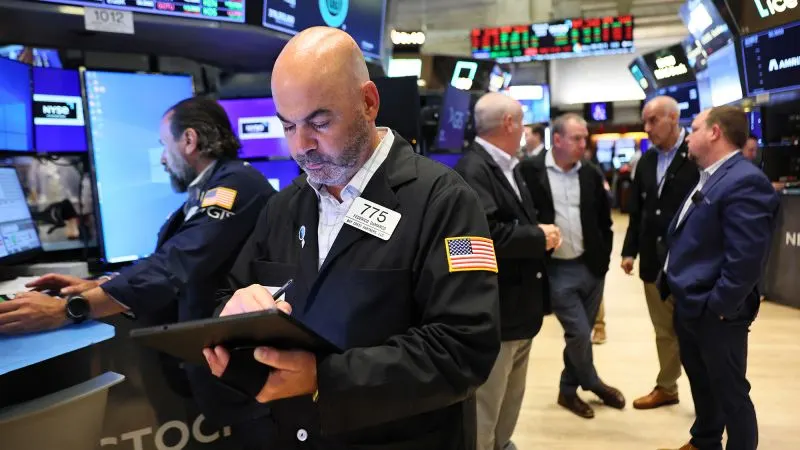
There is something quietly unsettling about watching your investment portfolio shrink because of a military strike happening thousands of kilometres away. That is exactly what millions of Indian investors experienced on June 11, 2026, as Sensex dropped over 300 points and Nifty 50 slipped below the critical 23,150 mark triggered not by anything that happened inside India, but by fresh US-Iran military escalation in the Middle East.
This is how interconnected the world has become. A strike in West Asia and Dalal Street flinches before most people have had their morning chai.
Why the US-Iran Conflict Is Hitting Indian Stock Markets Right Now
The United States launched fresh strikes on Iran. That single sentence set off a chain of reactions across global financial markets, and India was not spared.
Here is why it matters so directly. Iran sits at the heart of one of the world's most critical crude oil supply routes. Any military escalation in that region immediately raises fears of oil supply disruption. Crude oil prices rose sharply following the strikes, and India — which imports roughly 85% of its oil — is acutely sensitive to this.
Higher oil means higher import bills. Higher import bills mean a weaker rupee. A weaker rupee means pressure on corporate margins, especially in sectors that rely heavily on imported inputs. The market does not wait for this chain to play out. It prices in the fear immediately.
That is what happened on June 11.
Read More: Modi at 12: A Decade-Plus of Leading India , What Changed, What Didn't, and What It All Means
What Exactly Happened on Dalal Street: The Numbers Explained Simply
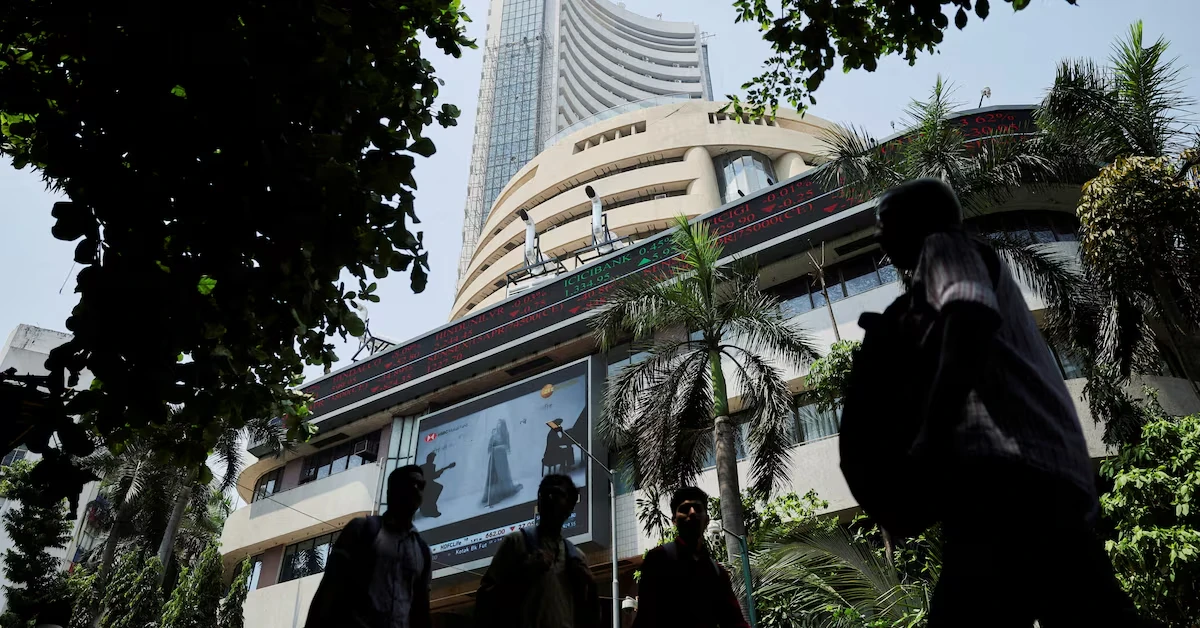
The BSE Sensex fell roughly 358 points in early trade, touching 73,624 levels. The NSE Nifty 50 dropped 117 points to 23,098 slipping below the psychologically important 23,150 support zone.
The IT sector was hit hardest. Nifty IT slid significantly, with heavyweights like Infosys and HCL Tech among the top losers. This is partly explained by a separate but compounding factor: US inflation data released around the same time came in hotter than expected, raising concerns that the US Federal Reserve may delay interest rate cuts. That spells bad news for Indian IT companies, which earn a large portion of their revenues in US dollars and depend on healthy US corporate spending.
Meanwhile, PSU banks also fell. Metal stocks and oil-linked counters faced selling pressure as traders tried to assess how far the geopolitical situation might escalate.
The only pockets of strength were media stocks and some FMCG counters, which tend to hold up better during global uncertainty because their revenues are largely domestic in nature.
How Global Conflict Reaches Your Investment Account: The Mechanism
Think of global financial markets as a very large, very nervous crowd. When something frightening happens anywhere in the world, the crowd reacts sometimes proportionately, often not.
The specific mechanism here works like this. When US-Iran tensions spike, oil traders immediately bid up Brent crude prices. India, as a major oil importer, sees its current account deficit widen. Foreign institutional investors, who are always watching India's macroeconomic health, sometimes begin pulling money out of emerging market equities like India and shifting to safer assets like US Treasury bonds or gold. This outflow puts downward pressure on Indian stocks and the rupee simultaneously.
The Foreign Institutional Investor (FII) activity is one of the biggest short-term drivers of Indian market movement. On days like June 11, FII selling tends to amplify the decline.
It is not panic exactly. It is calculation a rapid repricing of risk.
Read More: Iran-Israel War 2026: What's Really Happening, Why the US Is In the Middle, and What Comes Next
Real-World Example: How This Affects Ordinary Investors
Suppose you hold units of a large-cap mutual fund that is heavily weighted toward IT stocks. On a day like this, you will see your NAV (Net Asset Value) fall. If you hold stocks of an airline company, rising oil prices directly squeeze that company's operating margins — and its stock price reflects that quickly.
On the other hand, if you hold gold ETFs or FMCG stocks, you may see relative stability or even gains. This is why financial advisors consistently talk about portfolio diversification geopolitical events are unpredictable, but their sectoral impact is fairly consistent.
Mistakes Investors Keep Making During Geopolitical Selloffs
The most common mistake is panic-selling quality stocks at depressed prices. Geopolitical-driven market dips are, historically, among the most short-lived. Once the immediate fear subsides or diplomatic channels open, markets tend to recover.
The second mistake is ignoring the macroeconomic context. This particular selloff is complicated by the US inflation angle that is a more structural concern than a missile strike, and investors who do not separate these two forces in their thinking can misread the recovery timeline.
The third mistake is refusing to act at all. Some investors assume "it will recover" without asking whether their existing allocation still makes sense given the changed environment.
Read More: Manoj Bajpayee Calls Ramayana and Varanasi Budget Hype a "PR Tactic" , And He Has a Point
What Smart Investors Watch During Middle East Tensions
Keep an eye on Brent crude oil prices they are the most direct indicator of how seriously the market is taking the geopolitical situation. Watch Nifty IT as a proxy for US macro concerns. Follow FII data published daily by NSE sustained FII selling over multiple days is a more serious signal than a single-day reaction.
Gift Nifty (the futures index traded in Gujarat's GIFT City) is also worth tracking before market hours it signals where Indian markets are likely to open each morning, incorporating overnight global developments.
A Quiet Thought to Close With
Markets are efficient, mostly. They absorb information fast. But they also overreact to fear, to uncertainty, to things that ultimately do not change the earnings power of a well-run Indian company.
The US-Iran situation is serious. Rising oil is a genuine concern for India. But if you have invested in quality businesses for the long term, a morning like June 11 is noise, not signal.
Knowing the difference between the two might be the most valuable thing a retail investor can learn.
Disclaimer: This article is based on information available across the web. Parchar Manch does not take responsibility for its complete accuracy, as the content could not be fully verified.
FAQs
Why do Indian stock markets fall when there is a conflict in the Middle East?
Because India imports most of its crude oil, and the Middle East controls a large portion of global oil supply. Conflict there raises oil prices, which hurts India's economy and investor sentiment simultaneously.
What is the Nifty 50 and why does it matter?
The Nifty 50 is an index of the 50 largest and most liquid companies listed on the National Stock Exchange of India. It is widely used as a benchmark for the health of the Indian stock market overall.
Should I sell my stocks when geopolitical tensions rise?
Generally, no. History shows that geopolitically triggered market dips tend to be temporary. Selling during a panic often locks in losses that would have recovered over weeks or months.
What is Gift Nifty and why do analysts track it before market opens?
Gift Nifty is a futures contract traded at the GIFT City exchange in Gujarat. Since it trades before Indian market hours, it reflects overnight global sentiment and gives traders an early signal about where Nifty 50 might open.
Why did IT stocks fall more than others in this selloff?
Two compounding factors hit IT: rising US inflation data raised fears of delayed Fed rate cuts, which dampens US corporate spending (a key revenue source for Indian IT firms), and general risk-off sentiment drove selling in growth-oriented sectors.
How does rising oil affect the Indian rupee?
India spends more dollars importing oil when prices rise. This increases demand for US dollars and reduces demand for rupees, weakening the rupee's exchange rate. A weaker rupee raises costs for all companies that import goods or repay foreign-currency debt.