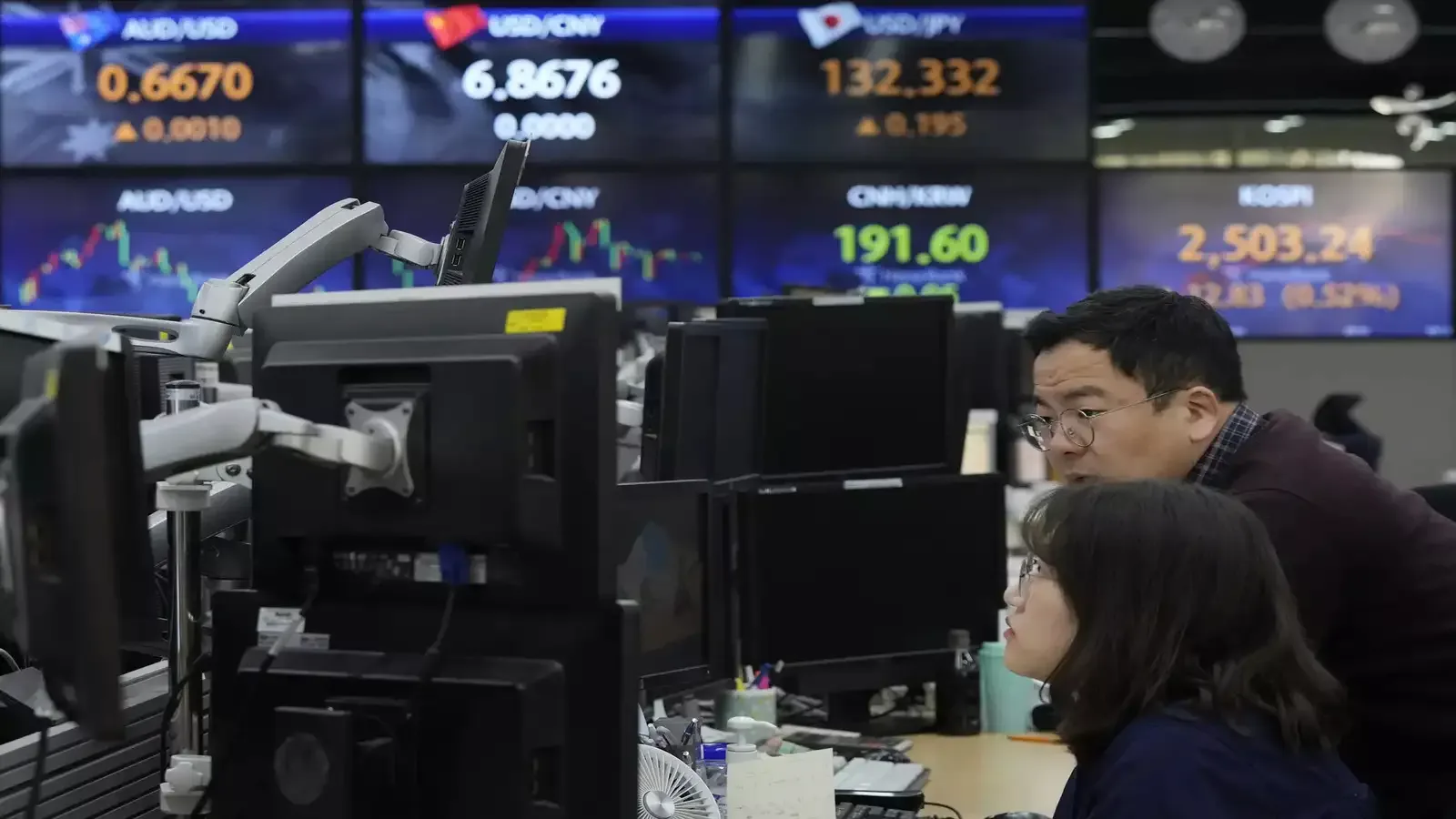
Asian Shares as Tech Rebound Wobbles: What Is Actually Moving Markets This Week
Something odd happens when a rally starts losing its footing. Not crashing, not panicking, just... hesitating. That is roughly where Asian shares as tech rebound momentum sits this week, caught between a genuinely strong run in chip stocks and a fresh dose of caution as earnings season creeps closer.
If you glanced at a market app this morning, you probably saw a confusing mix. Kospi up here, Nikkei down there, oil sliding, and headlines using words like mixed, cautious, choppy. Let us actually unpack what is happening, because the story underneath is more interesting than the noise on top.
Why This Actually Matters
Markets in Asia do not stay in Asia. What happens in Tokyo or Seoul overnight tends to ripple into how European and American markets open a few hours later. So when you hear about a tech rebound stalling in Asia, it is not just a regional curiosity, it is an early signal for global sentiment, especially heading into a heavy earnings season where AI related companies are under intense scrutiny.
There is also a very human reason to care. If your savings sit in mutual funds, retirement accounts, or even a small stock portfolio, these swings quietly touch you, whether you check the news or not.
What "Tech Rebound" Actually Means Here
Think of it like a runner who sprinted hard for a quarter, chip stocks across Asia genuinely had a record breaking run recently, and is now catching their breath before the next stretch. That pause is the rebound stuttering, not necessarily ending.
The rebound itself came from renewed optimism around semiconductor demand, AI infrastructure spending, and a strong quarter for regional tech names. But rebounds built partly on anticipation tend to wobble right before hard data arrives, and that is exactly what is happening as investors wait on Samsung's upcoming earnings and US Federal Reserve minutes for clearer signals.
How This Market Moment Is Actually Unfolding, Step by Step
- Chip and technology stocks across Asian markets today rallied strongly through the end of June, with some reports noting record quarterly gains for chip heavy indexes.
- As the new quarter opened, sentiment turned cautious, with several outlets describing Asian shares as mixed or slipping while investors braced for corporate earnings.
- Oil prices added another layer, easing after OPEC+ producers announced an output increase, which softened energy linked stocks and shifted some capital back toward technology names.

- Currency markets stayed tense too, with the yen trading near a forty year low against the dollar, a detail that quietly affects Japanese exporters and import costs alike.
- Investors are now watching two immediate triggers, Samsung's earnings report and the release of Fed meeting minutes, both expected to clarify whether the rebound has real legs or was mostly anticipation.
Read More: Mountain Lions in California Preserve: How One Predator Quietly Rewired an Entire Ecosystem
Real World Examples From This Week's Trading
South Korea's Kospi index has shown some of the sharpest movement, rising close to three percent on tech gains in one session, then slipping after what reports called a stellar quarter, essentially profit taking after a strong run. Japan's Nikkei has moved in the opposite direction on different days, occasionally slipping even as Kospi gained, which tells you the rebound is not uniform across the region.
Brent crude, meanwhile, slipped toward around seventy one dollars a barrel, and that decline is not incidental. Cheaper oil generally eases inflation pressure, which indirectly supports risk appetite for growth focused tech stocks, even as it squeezes energy sector earnings.
Mistakes People Keep Making With Market Headlines Like This
The most common one is treating "mixed" or "slipping" as automatically bad news. It usually just means different sectors are moving in different directions, which is normal, not alarming.
Another mistake, quite understandable honestly, is reacting to a single day's move as if it defines the trend. A one day dip after weeks of gains is often just breathing room, not a reversal, though of course it can occasionally be the start of one, and that uncertainty is exactly why patience matters here.
Read More: NASA's Swift Observatory Rescue Mission: Inside the Daring Plan to Save a Falling Telescope
Pro Tips That Actually Help You Read These Moments
Watch what professional traders watch, earnings surprises from bellwether companies like Samsung, and central bank commentary like the upcoming Fed minutes, rather than headline adjectives alone. Also, track oil and currency moves alongside equities, since they often explain stock moves that otherwise look confusing in isolation.
Closing Thoughts
There is a quiet rhythm to markets that rarely gets captured in a single headline, rally, pause, reassess, rally again, and this week's hesitation in AI chip stocks across Asia fits that rhythm rather than breaking it. Whether it becomes a genuine cooling or just a breath before the next leg up depends heavily on what Samsung and the Fed reveal in the coming days, and honestly, that is the part worth actually watching, not the daily up or down.
Read More: Anti-Ageing Skincare Routine 2026: How to Reduce Wrinkles and Fine Lines Naturally
FAQs
Why are Asian shares described as mixed this week?
Different indexes are moving in opposite directions, with tech stocks pausing after a strong rally while oil related and other sectors respond to separate factors like OPEC+ output changes.
What caused the recent tech rebound in Asian markets?
Strong momentum in semiconductor and AI related stocks drove a notable rally through late June, with several chip indexes posting record quarterly gains.
How do oil prices affect Asian stock markets?
Lower oil prices, driven partly by OPEC+ increasing output, ease inflation concerns and often support risk appetite in growth sectors like technology.
Why does the yen's weakness matter right now?
The yen trading near a forty year low against the dollar affects Japanese exporters' earnings and broader currency market sentiment across the region.
What should investors watch next in Asian markets today?
Samsung's upcoming earnings report and the release of Federal Reserve meeting minutes are the two most immediate catalysts likely to shape near term direction.
Is this tech stock pause a sign of a bigger correction?
Not necessarily. Pauses after strong rallies are common and often reflect profit taking rather than a fundamental reversal, though it is worth monitoring earnings data closely.