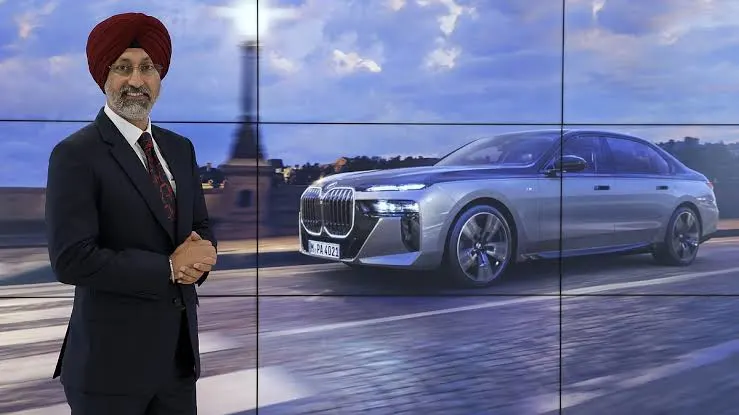
BMW Group India Sales Hit Record High: Inside the 17% Growth Story of 2026
Somewhere between the diesel decline everyone predicted years ago and the electric future everyone keeps promising, BMW quietly had its best six months ever in India. Not a modest improvement, not a recovery from a slow year. The highest first-half sales the company has ever recorded here. The BMW Group India sales numbers for January through June 2026 tell a story that's a lot more interesting than a single percentage figure suggests, and honestly, once you dig into where the growth actually came from, it starts to feel less like luck and more like a pattern worth understanding.
Nine thousand and seventy five cars. That's what BMW and MINI combined delivered in India during the first half of this year, a 17 percent jump over the same period last year. For a luxury brand in a market that's still, by most measures, price sensitive and infrastructure constrained, that's not a small number.
Why This Actually Matters
If you've ever wondered whether India's luxury car market is actually growing or just recycling the same wealthy buyers, this is a genuinely useful data point. Double-digit growth two years running, not one lucky quarter, suggests something structural is shifting, not just seasonal demand or a one-time product launch spike.
It also matters if you're anywhere near the electric vehicle conversation happening in India right now. BMW's luxury EV sales grew 78 percent in the same period, meaning roughly one in every four cars the company sold was fully electric. That's not a marginal trend anymore. That's a brand telling you, through actual delivery numbers, where its bets are landing.
What's Really Driving This Growth, Explained Simply
Think of BMW's India business the way you'd think of a restaurant expanding its menu while also renovating the dining room at the same time. Two things are happening simultaneously here. On one side, the company kept its traditional lineup strong, sedans, SUVs, the executive long-wheelbase models that Indian buyers have always favored for their spacious back seats. On the other side, it pushed hard into electric models, betting that infrastructure and buyer confidence had finally caught up.
Both bets paid off. BMW and MINI SAVs, essentially their SUV lineup, grew 35 percent year on year and now make up 65 percent of total sales, a dominant share by any measure. Meanwhile, electric models jumped from 1,325 units in H1 last year to 2,359 units this year, an increase steep enough that it's now outpacing diesel in overall sales share for the first time.
Read More: Madhur Virli Rape Joke Controversy: Why India's Stand-Up Comedy Scene Is in Crisis Again
How BMW Achieved This Growth, Step by Step
Breaking down the actual mechanics behind these numbers helps make sense of why this wasn't a fluke.
- New product launches created momentum early, with 11 new models introduced in the first half alone, including the X3 30d, the M440i, and the X6 M60i.
- The MINI brand specifically saw a 70 percent jump, helped by the Countryman C launching in mid-June and selling briskly, alongside limited special editions that reportedly sold out quickly.
- Financing played a quiet but significant role too. One in every four BMW cars purchased was financed through BMW India Financial Services, whose Smart Finance program offers lower monthly instalments and buyback guarantees, making ownership feel more approachable for hesitant buyers.
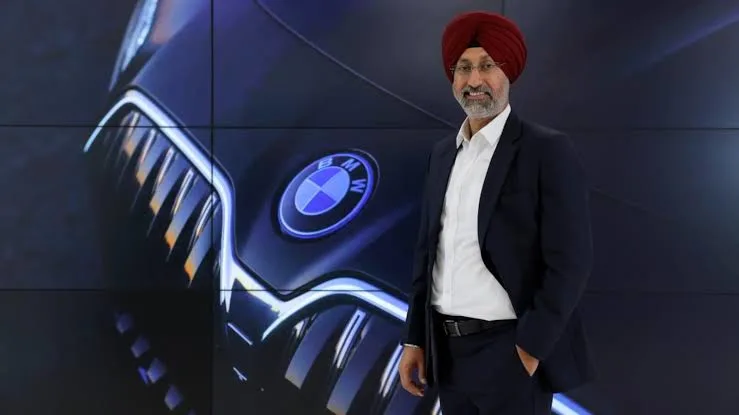
- Retail expansion added to the momentum, with the company now operating 100 touchpoints across 40 cities, and 19 more outlets planned across 18 additional cities before year end.
- On the electric side, BMW expanded highway fast-charging infrastructure at roughly 250 kilometer intervals, directly addressing the range anxiety that used to keep long-distance buyers away from EVs.
Each piece reinforced the others. New products pulled buyers in, financing made the decision easier, and charging infrastructure removed the last major objection to going electric.
Real-World Examples That Make This Click
Picture a buyer in Pune who's been driving a diesel sedan for a decade, comfortable with it, skeptical about EV range on highway trips to Mumbai. BMW's argument to that buyer isn't abstract anymore. With fast chargers now positioned roughly every 250 kilometers on major highways, and newer models offering over 500 kilometers of range per charge, that skepticism is exactly what the company has been chipping away at, and the sales figures suggest it's working.
Or take the competitive picture. Mercedes still holds the overall luxury sales crown in India with 9,768 units in the same period, but the gap between the two brands has narrowed noticeably, a shift worth watching as both companies plan aggressive festive season launches later this year.
Mistakes People Keep Making When Reading Sales Reports Like This
A common mistake is treating a single strong quarter as proof of a permanent trend. BMW's own numbers show some softness too, BMW Motorrad motorcycle sales actually declined nearly 9 percent in the same period, a reminder that growth in cars doesn't automatically mean growth everywhere in a company's portfolio.
Another mistake is assuming EV growth percentages tell the whole story on their own. A 78 percent jump sounds dramatic, and it is, but it's coming off a smaller base than the overall combustion engine business, which still accounts for the majority of total volumes.
Pro Tips That Actually Help
If you're evaluating whether to buy an EV in India right now, BMW's own data point is worth noting, waiting periods of two to three months currently exist for some electric models because demand is outpacing supply. Planning ahead on timing matters more for EV buyers right now than it does for traditional petrol or diesel models.
If you're watching the luxury segment as an industry trend rather than a personal purchase, keep an eye on the diesel to electric share more than the headline growth number, since that's where the real long-term shift is happening.
Read More: From a Beijing Apartment to $92.8 Billion: How Zhang Yiming Just Overtook Mukesh Ambani
Closing Thoughts
There's something quietly telling about a legacy brand hitting its best-ever half year not through nostalgia or brand loyalty alone, but by actually adapting, new products, better financing, real charging infrastructure. The BMW Group India sales story for 2026 isn't really about one impressive percentage. It's about a company betting on where Indian buyers were heading before they fully got there themselves, and for now, that bet looks like it's paying off.
Read More: Akanksha Chamola Confirms Split From Gaurav Khanna: What Really Happened on Lock Up 2
Disclaimer: This article is based on information available across the web. Parchar Manch does not take responsibility for its complete accuracy, as the content could not be fully verified.
FAQs
How many cars did BMW Group India sell in H1 2026?
BMW Group India delivered 9,075 cars, combining BMW and MINI brands, representing a 17 percent year-on-year increase.
What percentage of BMW India's sales are now electric?
Electric vehicles made up approximately 26 percent of total sales in the first half of 2026, up sharply from the previous year.
Which BMW models performed best in India this year?
SUVs and long-wheelbase models led growth, with BMW and MINI SAVs growing 35 percent and now representing 65 percent of total sales.
Is BMW still behind Mercedes in India's luxury car market?
Yes, Mercedes retained the top spot with 9,768 units sold in the same period, though BMW has narrowed the gap through consistent growth.
Why are BMW EV waiting periods so long right now?
Demand for electric models is currently outpacing supply, creating waiting periods of two to three months for some vehicles.
Why are BMW EV waiting periods so long right now?
Demand for electric models is currently outpacing supply, creating waiting periods of two to three months for some vehicles.
How is BMW India Financial Services supporting sales growth?
Roughly one in four BMW purchases were financed through the company's own financial services arm, offering lower monthly instalments and buyback guarantees to make ownership more accessible.