Byju Raveendran Sentenced to 6 Months in Jail by Singapore Court: What Really Happened?
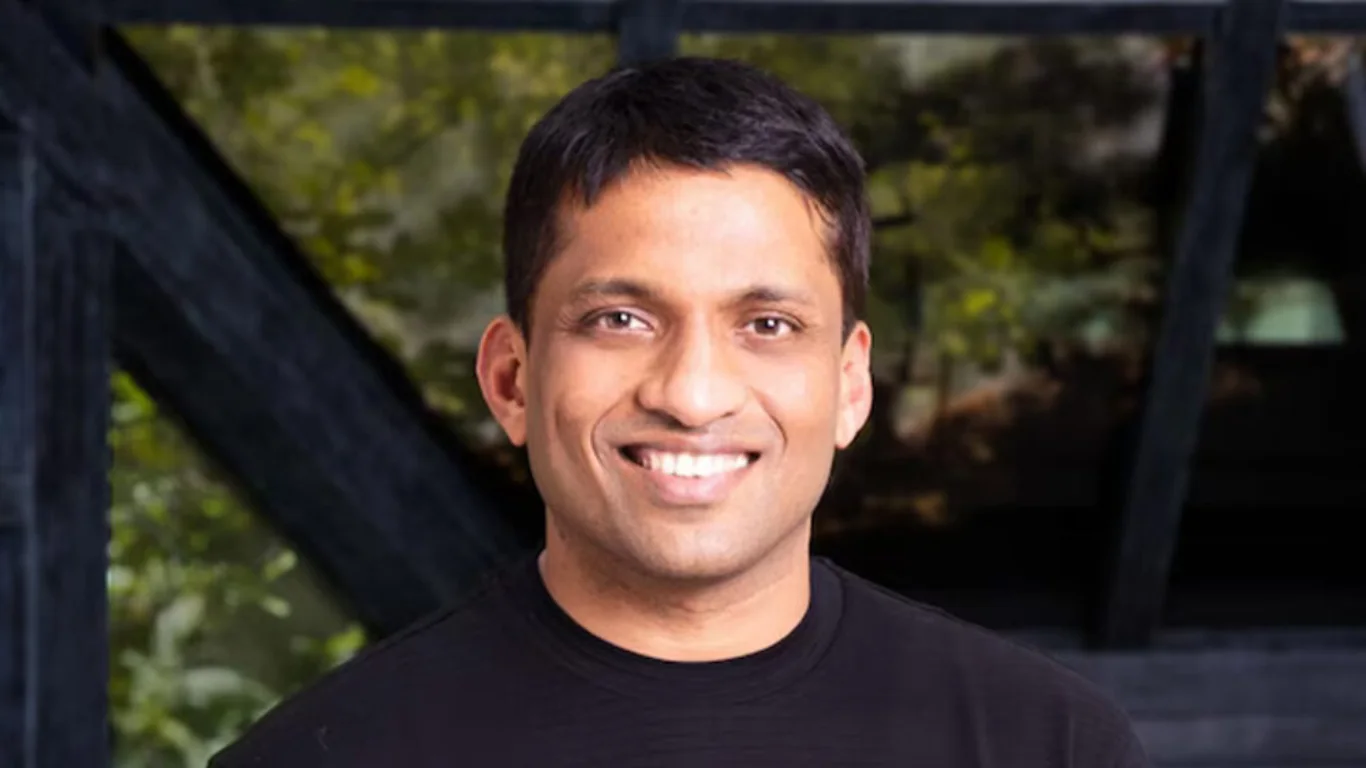
Byju Raveendran, once India's most celebrated edtech billionaire, has been sentenced to six months in jail by a Singapore court. Not for fraud. Not for theft. For contempt of court -- specifically, for allegedly failing to follow multiple court orders related to disclosing his assets. This is, by most accounts, his first-ever jail term. And the timing? Complicated.
Here is everything you need to know, without the noise.
Why a Singapore Court Just Jailed India's Edtech King
Let's back up a little. Byju's -- the company Raveendran built from scratch into a $22 billion empire -- has been in serious financial and legal trouble for a while now. Investors lost money. Lenders want their loans back. Courts across multiple countries are involved.
One of those courts is in Singapore. And the legal action there was initiated by a subsidiary of the Qatar Investment Authority (QIA), one of Byju's major investors. QIA had poured money into the company during a period when Byju's was already cutting jobs and restructuring its operations.
The Singapore court contempt of court case centers on Raveendran allegedly failing to comply with multiple court orders related to his assets. According to Bloomberg, the court directed him to surrender to authorities, pay legal costs of S$90,000 (roughly $70,500), and furnish documents proving his ownership of Beeaar Investco Pte -- a corporate entity that held shares in a related company.
That last part matters. Proving who actually owns what inside Byju's tangled corporate structure has been a major sticking point throughout the company's global legal battles.
Read More: UAE Quits OPEC Amid Iran War – Impact on Global Oil Markets & Prices
What Is Contempt of Court? A Simple Explanation
If you are not a lawyer -- and most of us are not -- "contempt of court" can sound vague and dramatic at the same time.
Here is what it means in plain terms: a court gives you an order. Maybe it tells you to submit certain documents, disclose your assets, or show up for proceedings. If you do not do what the court says, you are in contempt. Courts treat this seriously because their authority depends on people actually following their orders.
In Raveendran's case, the court found that he had not complied with several such orders related to his assets and corporate holdings. Hence, the six-month jail sentence.
The Byju's Financial Crisis: A Quick Timeline
To understand why this Singapore sentence matters, you need to know where Byju's stands right now.
At its peak, Byju's edtech company collapse was unthinkable. The company was valued at $22 billion. It had celebrity endorsements, global acquisitions, and millions of students on its platform. Then things unraveled fast.
The trigger point -- a $1.2 billion term loan extended by a group of lenders in 2021. The money went missing from Byju's US operations. Lenders, led by GLAS Trust, took legal action. A Delaware bankruptcy court in November 2025 issued a default judgment against Raveendran for over $1 billion, citing "evasive, incomplete" responses from him. However, the Delaware Court in December 2025 reversed its earlier $1 billion judgment against Raveendran after reviewing fresh submissions, observing that damages had not been properly determined and ordering a fresh phase of proceedings.
So: one court reverses a billion-dollar judgment. Another court in Singapore sends him to jail for six months. Both in the same general period. That is the kind of story Byju's has become.
Raveendran's Response: "I Chose Resolution Over Confrontation"
Raveendran did not stay quiet after the sentencing. He came out swinging -- though carefully.
In response to the court order, Raveendran said settlement discussions with lenders, including GLAS Trust and Qatar Investment Authority (QIA), and other stakeholders were already at an advanced stage, with only a few residual minor issues left to be resolved.
He said: "I am disappointed that the recent Singapore court matter has been pursued and reported in a manner that creates a misleading impression about me, especially at a time when all key parties have almost concluded the settlement discussions."
He added that parties in the settlement had acknowledged there was no wrongdoing on his part. Raveendran claimed he had not actively contested several court proceedings in recent months as parties were working towards a comprehensive settlement. "I chose resolution over confrontation," he said.
Read More: Ram Rahim Gets Parole Again — 16 Times Out of Jail Since 2017, and the Count Keeps Rising
He also directly called out QIA, alleging that QIA's decision to continue pursuing the matter appeared to be an unnecessary pressure tactic.
It is worth noting: whether or not one agrees with his framing, the claim that a settlement is "near completion" is significant. If true, this entire jail sentence situation may resolve itself before he actually serves any time -- pending appeal or voluntary compliance.
Who Is Suing Byju's, and Where?
The Byju's global legal battles span several countries, which makes this case genuinely complex. Here is a simplified breakdown:
The legal action in Singapore has been initiated by a subsidiary of Qatar Investment Authority, which had invested in the company during a period when Byju's was cutting jobs and restructuring operations. Qatar Holdings was represented by law firm Drew and Napier, while Byju's Investments was represented by Fervent Chambers.
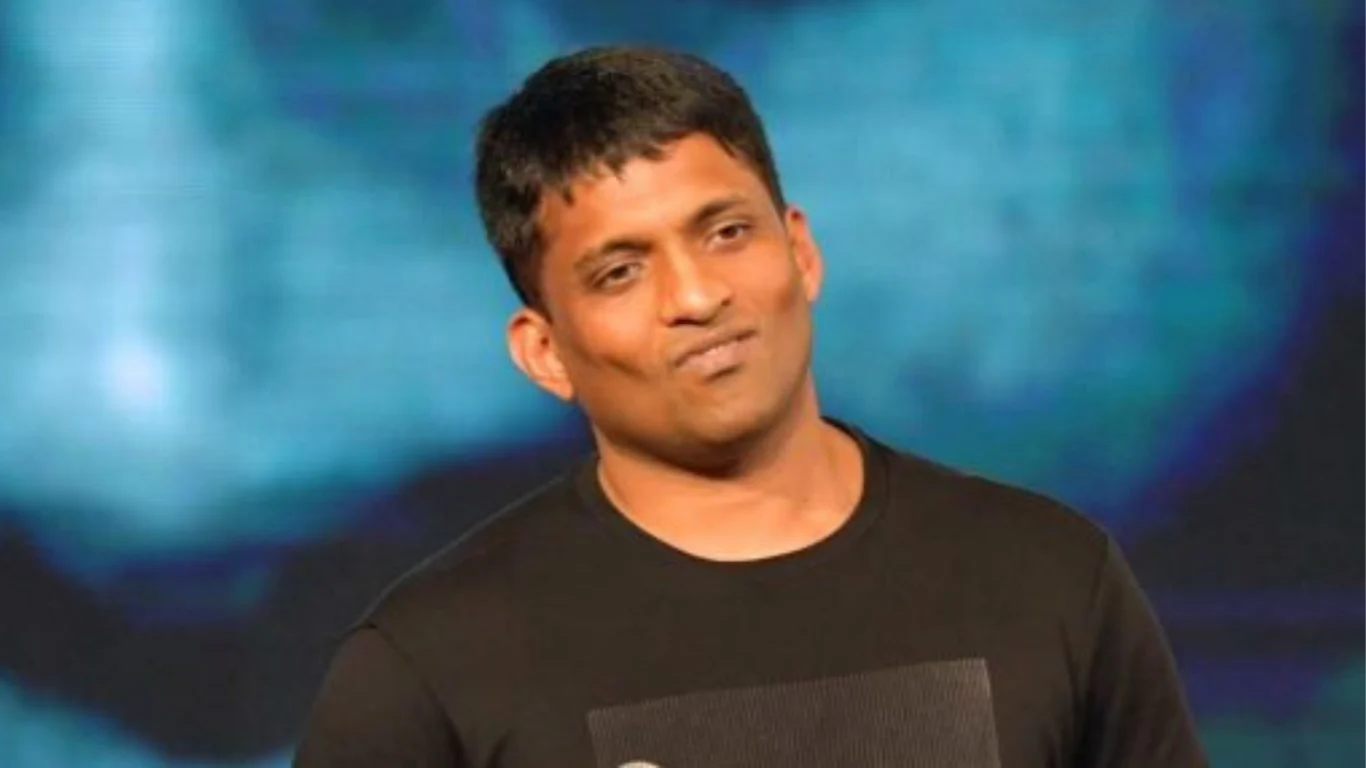
Separately, in the US, lenders led by GLAS Trust have been pursuing Raveendran and his wife Divya Gokulnath over the $533 million that allegedly moved out of Byju's US accounts in 2022. That case is still ongoing.
In India, insolvency proceedings were initiated, paused, challenged, and partially reversed -- involving everything from BCCI cricket debts to Supreme Court hearings.
This is not a single legal case. It is a multi-continent legal storm.
Read More: Iran Reveals Mojtaba Khamenei's Injuries: What Really Happened the Day Tehran Was Struck
What This Means for Byju's Future
The Byju's founder legal trouble is not just a personal crisis for Raveendran. It has direct consequences for thousands of employees who once worked at the company, the millions of students who used the platform, and India's broader edtech industry, which drew enormous investor interest partly because of Byju's early success.
Raveendran's claim that settlement is "near" is either a real sign that the worst may be over -- or a way to buy time and shape public narrative. Courts will decide which version is closer to the truth.
What is clear is this: a man who once graced the cover of business magazines as India's star entrepreneur now has a jail sentence to his name. Whether he actually surrenders to Singapore authorities, or whether a settlement changes the picture, remains to be seen as of May 27, 2026.
Closing Thoughts
Stories like this have a quiet tragedy to them. Not in a dramatic, movie-villain way. But in the way that ambition, scale, and speed -- when they outrun accountability tend to end. Byju's was not just a company. It was a symbol. Of what Indian startups could become, of what edtech could do for millions of kids who had no access to quality coaching.
That symbol is now frayed. Whether the real story is one of deliberate wrongdoing or of a company that grew too fast, borrowed too much, and then collapsed under its own weight that is still being argued in courtrooms across the globe.
For now, the Singapore court has spoken.
Read More:Himanta Biswa Sarma Resigns as Assam CM: What Comes Next and Why This Moment Is Bigger Than It Looks
Disclaimer: This article is based on information available across the web. Parchar Manch does not take responsibility for its complete accuracy, as the content could not be fully verified.
FAQs
Why was Byju Raveendran sentenced to jail in Singapore?
A Singapore court sentenced him to six months in jail for contempt of court -- specifically for allegedly failing to comply with court orders requiring him to disclose his assets and provide documents related to his ownership of a corporate entity called Beeaar Investco Pte.
Who filed the case against him in Singapore?
The legal action was initiated by a subsidiary of the Qatar Investment Authority (QIA), which had previously invested in Byju's.
What did the Singapore court order him to do?
The court ordered him to surrender to authorities, pay legal costs of approximately $70,500 (S$90,000), and furnish documents proving his ownership of a company linked to Byju's corporate structure.
Has Raveendran admitted any wrongdoing?
No. He has consistently denied wrongdoing and says that settlement discussions between him, lenders, and investors are nearly complete, with all parties having acknowledged no wrongdoing on his part.
What is the current status of the Byju's legal cases globally?
There are ongoing cases in Singapore, the US (involving a $1.2 billion term loan dispute led by GLAS Trust), and India (insolvency-related proceedings). The Delaware court in the US reversed a prior $1 billion judgment in December 2025 and ordered fresh proceedings to determine damages.
Could Raveendran avoid serving the jail sentence?
Potentially. If a settlement is reached between all parties as he claims, it is possible the proceedings could be withdrawn or the sentence could be stayed. However, as of May 27, 2026, no official update confirming this has been confirmed.