Delhi Bus Gang Rape Shocks the Nation Again: What Happened in Nangloi on May 12, 2026
She was walking home from work. Late at night. Like she had done many times before. She worked at a factory in Mangolpuri. Her home was in the slums of Pitampura. The distance between the two is not far. But on the night of May 11, that distance became something she may never forget.
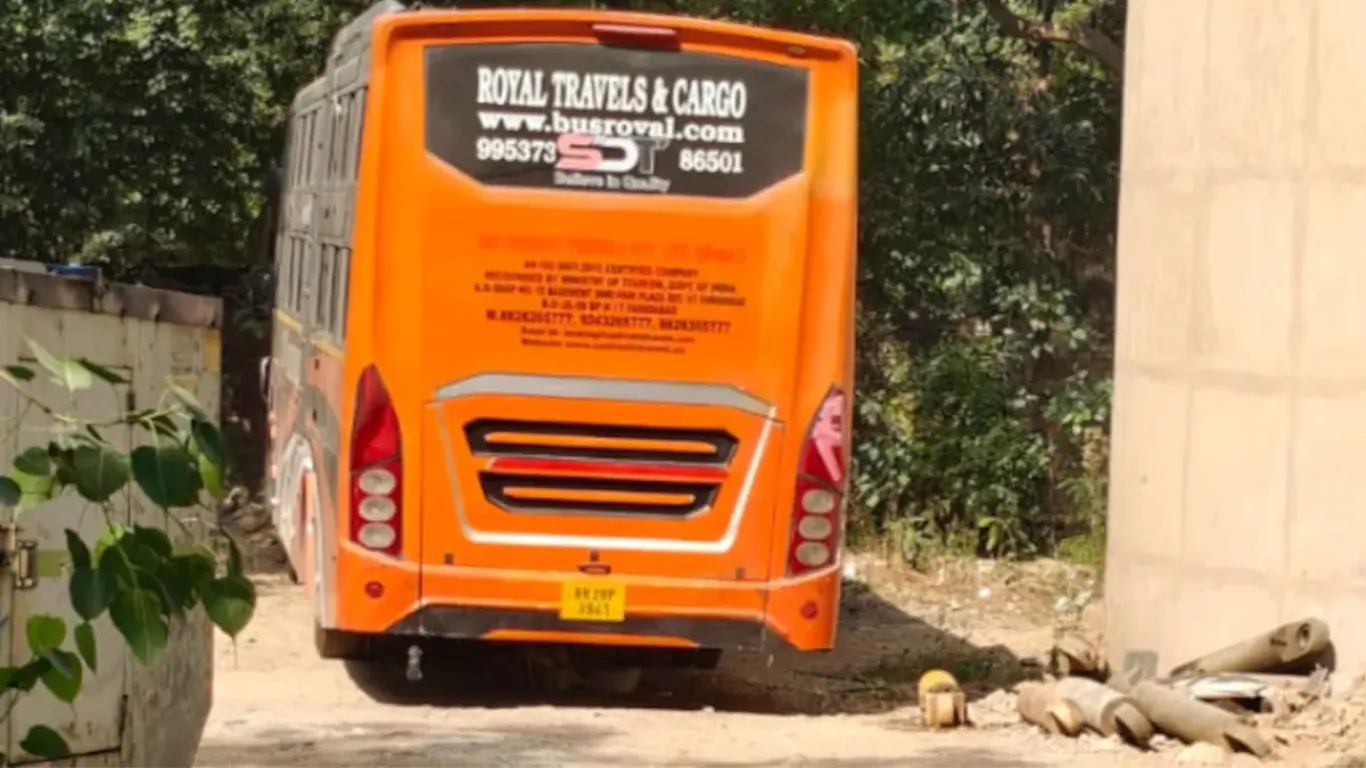
A sleeper bus stopped near the B-Block bus stand in Saraswati Vihar. The woman reportedly asked a man standing at the bus door for the time. After that, she was allegedly pulled inside the vehicle forcibly.
That is where the horror began.
Delhi Gang Rape on Sleeper Bus: What We Know So Far
A woman was allegedly raped by the driver and the conductor of a sleeper bus inside the vehicle in Delhi's Nangloi area, police sources confirmed on Thursday, May 14, 2026.
The woman is married and has three children. After a medical examination, an FIR was filed, and both accused were arrested. According to Delhi Police, the accused took the victim from the Rani Bagh area and then to the Nangloi area, where they raped her.
A case under sections 64(1) rape, 70(1) gang rape, and 3(5) common intention of BNS has been registered at Rani Bagh police station. The bus has been seized by the police. Further investigation is underway.
A working mother. Three children at home. Waiting for her. She never made it there the way she was supposed to.
Read More: When Fashion Becomes Living Art: 2026 Met Gala “Costume Art” Theme Explained
The Two Hours Nobody Knew About: A System That Failed in Real Time
Here is the part that does not just shock you. It hollows you out.
AAP leader Saurabh Bharadwaj raised a question that cut to the bone: "What kind of law and order exists where a bus kept roaming around central Delhi for two hours while a girl was gang-raped and later thrown onto the road?"
Two hours. The bus moved. The city moved. Vehicles passed. And not a single checkpoint, not a single patrol, not a single system caught it.
Bharadwaj also questioned why Delhi Police allegedly informed the media about the incident after two days, asking whether there was an attempt to "cover up" the case or manage the narrative before it became public.
That delay matters. Because every hour after a crime like this is an hour where evidence can disappear, where stories can shift, where accountability quietly slips away.
Opposition Calls It "Another Nirbhaya": Is That Comparison Fair?
AAP leaders Saurabh Bharadwaj and Manish Sisodia, along with Congress leader Abhishek Dutt, launched a sharp attack on the BJP-led Centre and Delhi Police over the incident. Manish Sisodia, calling it "another Nirbhaya incident," said women were "not safe in schools, not safe in buses" and accused the BJP government in Delhi of failing on women's safety.
The Nirbhaya comparison is not made lightly. In December 2012, a 22-year-old woman and her male friend boarded a bus after watching a film. Six men on the bus assaulted her with brutal savagery. She died from her injuries nearly two weeks later. The incident generated widespread national and international outrage and became a symbol of women's resistance to rape around the world.
After Nirbhaya, India promised reform. Laws were amended. Fast-track courts were created. The country said: " Never again.
And yet, here we are. Again. On a bus. In Delhi. In 2026.
Read More: Easy Healthy Lunch Recipes for Busy Weekdays (Ready in 20 Minutes)

Congress leader Abhishek Dutt said Delhi recorded the highest crimes against women among metro cities and demanded major reforms in Delhi Police, urging authorities to reduce VVIP deployment and strengthen ground policing.
What the Law Says: BNS Sections Invoked in This Case
The case has been filed under India's Bharatiya Nyaya Sanhita, the new criminal code that replaced the Indian Penal Code. Section 64(1) covers rape. Section 70(1) addresses gang rape specifically. Section 3(5) deals with common intention.
These are serious charges. The legal framework exists. The question has never been whether the law is strong enough on paper. It usually is. The question is whether the system that enforces it is awake, present, and invested.
A bus circled Delhi for two hours with a woman being assaulted inside. No alert was raised. No one intervened. The law only entered the picture after the fact.
Read More: Tamil Nadu Hung Assembly 2026: Why Vijay's Historic Win Is Hanging by a Thread
Delhi's Crime Against Women: A Pattern That Refuses to Break
This incident did not arrive without context.
Earlier, on May 9, a three-year-old girl was allegedly raped by a 57-year-old staff member inside a private school in West Delhi's Janakpuri area. The child had only started school two days prior.
Two incidents. Two weeks. Two entirely different settings. The same city. The same failure.
According to the National Crime Records Bureau, about 100 sexual assaults are reported to police in India every day. These numbers represent reported cases. The actual figure is believed to be significantly higher.
Reporting is itself a barrier. For many women, especially those from working-class backgrounds, filing an FIR means confronting a system that has not always treated them with dignity. That this woman came forward, filed a complaint, and cooperated with medical examination is an act of courage that deserves to be named as such.
Read More:Vijay's Tamil Nadu Power Bid: What Is Really Happening and Why This Political Drama Is Far From Over
What Needs to Change: Not Just Another List of Demands
The political reactions have come fast. Statements have been made. Questions have been asked. That is all expected.
But here is what the pattern tells us, if we are willing to look honestly at it.
Bus verification systems in Delhi need real-time GPS monitoring with mandatory check-ins. Private sleeper buses operating at night need tighter licensing, crew background checks, and passenger manifests. The gap between when a crime occurs and when law enforcement is informed must close. Two days of media silence after a gang rape is not a procedural delay. It is a failure of transparency.
After the 2012 Nirbhaya case, Delhi did see more CCTV cameras, more street lights, and safety marshals on some buses. But sexual violence has remained a major issue, and women still navigate public spaces with fear.
Infrastructure is necessary but not sufficient. The deeper issue is a culture within enforcement agencies that still, in 2026, treats the reporting of sexual violence as something to be managed rather than acted upon urgently.
Closing Thought
A woman asked a man on a bus for the time. She did nothing wrong. She was on her way home. She was a factory worker, a wife, a mother of three.
Whatever happens in this case legally, whatever statements politicians make, whatever reforms get announced, she will carry this night with her. That weight is real. And it belongs, in part, to every institution that failed to protect her before she even stepped near that bus.
The bus has been seized. The accused have been arrested. The investigation is ongoing.
But the harder investigation, the one into why this keeps happening, is one India has been postponing for too long.
Disclaimer: This article is based on information available across the web. Parchar Manch does not take responsibility for its complete accuracy, as the content could not be fully verified.
FAQs
What happened in the Delhi Nangloi bus rape case?
A woman walking home from her factory job was allegedly pulled into a private sleeper bus near Saraswati Vihar on the night of May 11, 2026. The driver and conductor of the bus allegedly gang-raped her while the vehicle roamed around central Delhi for approximately two hours. She was later thrown out of the bus onto the road.
Who are the accused, and have they been arrested?
The FIR has been registered at Rani Bagh police station under BNS Section 64(1) for rape, Section 70(1) for gang rape, and Section 3(5) for common intention. These are serious criminal charges.
What legal sections have been filed in this case?
The FIR has been registered at Rani Bagh police station under BNS Section 64(1) for rape, Section 70(1) for gang rape, and Section 3(5) for common intention. These are serious criminal charges.
Why did it take two days for the news to come out?
Opposition leaders have raised this concern directly, questioning whether the Delhi Police delayed informing the media and whether there was any attempt to control the narrative before the case became public. Police have not responded clearly to this specific allegation.
Why did it take two days for the news to come out?
Opposition leaders have raised this concern directly, questioning whether the Delhi Police delayed informing the media and whether there was any attempt to control the narrative before the case became public. Police have not responded clearly to this specific allegation.
How is this case connected to the Nirbhaya case?
Opposition leaders drew a direct comparison because both cases involve a woman being gang-raped inside a bus in Delhi while the vehicle was in motion, and both cases expose major gaps in public transport safety and police vigilance. Nirbhaya, the 2012 case, led to major legal reforms. Critics argue that those reforms have not translated into actual safety on the ground.