Delhi EV Policy 2026: How Rs 15,000 Crore Is About To Change What You Drive
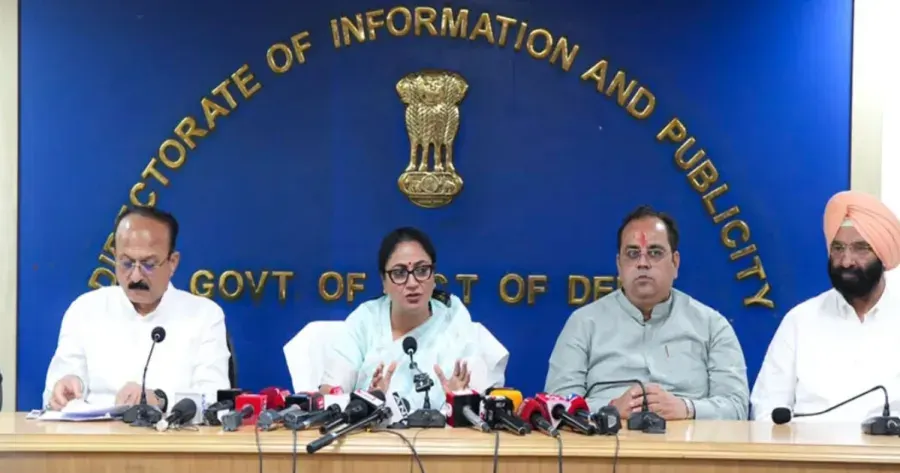
Something big just cleared Delhi's Cabinet, and if you've been putting off buying a two-wheeler or a car, this is worth pausing for. The Delhi EV Policy 2026 was approved this week with a budget of Rs 15,000 crore, and it doesn't just nudge people toward electric vehicles, it sets hard deadlines that will eventually make petrol options disappear for entire vehicle categories.
Why The Delhi EV Policy 2026 Actually Matters
Vehicular emissions have long been one of Delhi's biggest pollution sources, especially in winter. The Delhi EV Policy 2026 tackles this head on by targeting the vehicles causing the most damage. Commercial goods vehicles account for 33 percent of pollution, while two and three-wheelers contribute 46 percent, according to Transport Commissioner Niharika. If you ride a scooter, drive an auto-rickshaw, or run a delivery fleet in the city, this policy is about to reshape your next purchase decision, not eventually, but starting July 1, 2026.
What The Policy Really Offers, Explained Simply
Think of it as two things bundled together, carrots and a countdown clock. The EV purchase subsidy structure rewards early buyers generously, then tapers off each year to push faster adoption. On top of that, Delhi is also offering a scrappage incentive worth up to Rs 1 lakh for owners retiring old BS-IV or older petrol and diesel vehicles. Layered onto both is a firm transition timeline, meaning certain vehicle categories simply won't be allowed to register as petrol or diesel after specific dates.
How The Incentives Actually Break Down, Step By Step
- Electric two-wheelers priced up to Rs 2.25 lakh get an EV purchase subsidy of Rs 30,000 in year one, reducing to Rs 20,000 in year two and Rs 10,000 in year three.
- Electric three-wheelers receive a similar phased subsidy, with amounts of Rs 50,000, Rs 40,000 and Rs 30,000 across the first three years.
- N1 category commercial trucks get a Rs 1 lakh subsidy in the first year, encouraging fleet operators to switch early.
- The scrappage incentive adds roughly Rs 10,000 for two-wheelers, Rs 25,000 for three-wheelers and Rs 50,000 for N1 trucks, on top of purchase benefits.
- Electric cars priced up to Rs 30 lakh get 100 percent road tax and registration fee exemption until March 31, 2030, while strong hybrids get 50 percent exemption and pricier EVs get none.
- Subsidies are processed through direct benefit transfer within 60 days of approval, via a dedicated online EV portal.
Read More: Mountain Lions in California Preserve: How One Predator Quietly Rewired an Entire Ecosystem
Real-World Examples Worth Knowing
Picture someone scrapping an old BS-IV petrol scooter and buying a new electric one today. They'd combine the scrappage incentive with the full year-one EV purchase subsidy, stacking benefits that could meaningfully offset the sticker price. Delivery and ride-hailing platforms face a tighter clock.
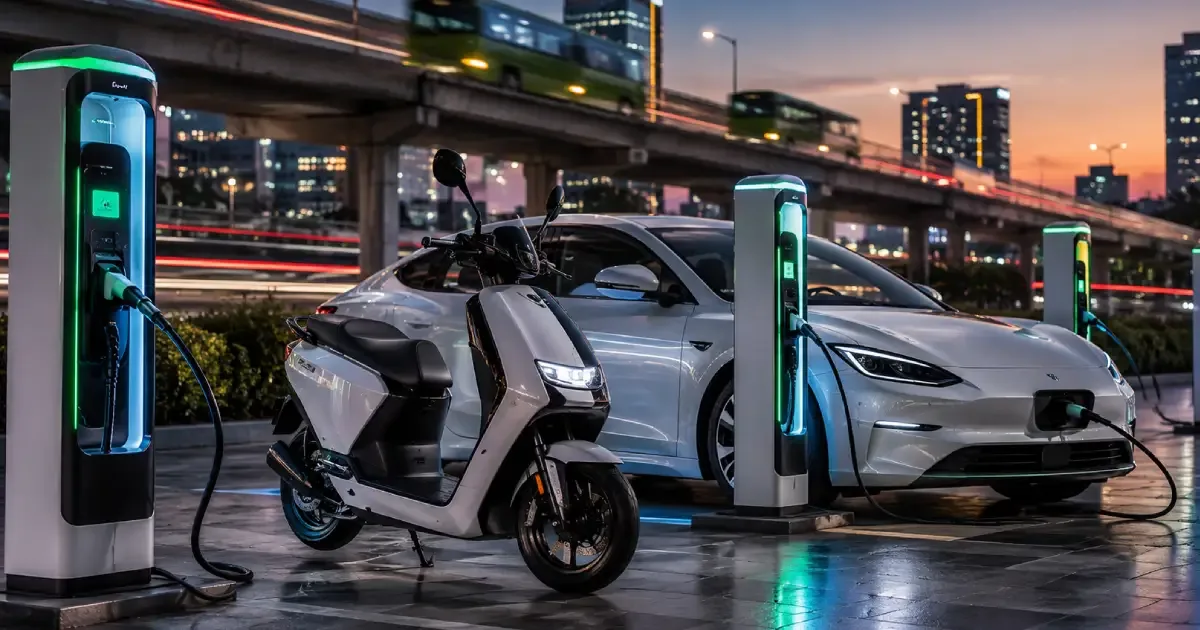
From January 2026, they can't add new petrol or diesel two-wheelers or light goods vehicles to their fleets, and existing BS6 vehicles on these platforms must be replaced with electric ones by the end of 2026. That's not a distant deadline, it's practically now.
Read More: WhatsApp Usernames Are Coming, And Your Phone Number Might Finally Get Some Privacy
Mistakes People Keep Making With This Policy
A common mistake is assuming hybrid vehicles qualify for the same benefits as pure electric ones. They don't, officials have confirmed hybrids get no purchase subsidy under this framework, only a partial road tax exemption for cars. Another mistake is delaying the purchase decision, thinking incentives will stay flat. They won't. The EV purchase subsidy structure is deliberately front-loaded, meaning the longer you wait, the smaller your benefit gets each passing year.
Pro Tips That Actually Help
If you're planning a two-wheeler purchase, buy sooner rather than later since year-one subsidies are roughly triple what you'd get by year three. If you own an old BS-IV vehicle, check scrappage eligibility before selling it privately, since the scrappage incentive often outperforms resale value on aging vehicles. Fleet operators, especially delivery and ride-hailing businesses, should start planning electrification now rather than waiting for the 2026 fleet deadline to force a rushed transition.
Closing Thoughts
Policies like this rarely feel urgent until the deadlines start arriving, and Delhi has built plenty of those into this one. The Delhi EV Policy 2026 isn't just about subsidies, it's a countdown toward a city where new petrol two-wheelers and three-wheelers simply won't exist as an option within a few years. Whether that transition happens smoothly depends on how quickly the promised charging infrastructure actually gets built alongside it.
Read More: NASA's Swift Observatory Rescue Mission: Inside the Daring Plan to Save a Falling Telescope
Disclaimer: This article is based on information available across the web. Parchar Manch does not take responsibility for its complete accuracy, as the content could not be fully verified.
FAQs
When does the Delhi EV Policy 2026 take effect?
The policy is expected to come into force from July 1, 2026, following Cabinet approval.
How much is the EV purchase subsidy for two-wheelers?
Up to Rs 30,000 in the first year, reducing to Rs 20,000 and then Rs 10,000 in subsequent years.
Are hybrid vehicles eligible for incentives?
No, hybrids don't qualify for purchase subsidies, though they receive a 50 percent road tax exemption.
What is the scrappage incentive under this policy?
Up to Rs 1 lakh depending on vehicle category, for scrapping BS-IV or older petrol and diesel vehicles.
How many charging points will Delhi add?
The city plans to expand its charging infrastructure to around 32,000 to 36,000 public charging points over the next four years.