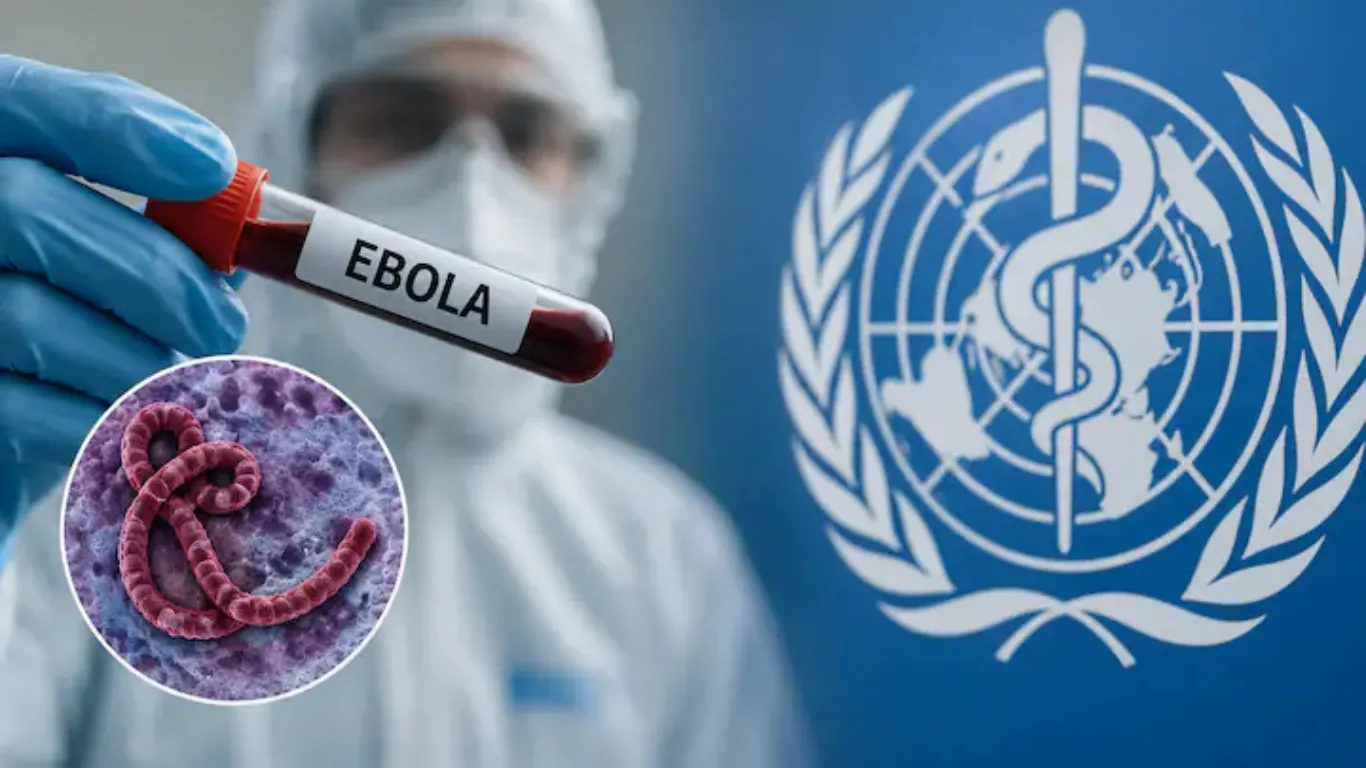
Ebola Scare in Bengaluru: Uganda-Returned Traveller Isolated, Sample Sent for Testing , Here Is Everything You Need to Know
A woman who recently travelled from Uganda landed in Bengaluru, developed symptoms that raised immediate red flags, and was promptly isolated by health authorities. Samples have been sent for Ebola virus disease testing. India has not confirmed any case. But the alert is very real , and so is the outbreak happening thousands of kilometres away.
This is not a panic story. It is a preparedness story. And there is a big difference.
Why the Bengaluru Ebola Alert Matters Right Now
The Ebola scare in Bengaluru did not happen in a vacuum. It comes at a time when the Democratic Republic of Congo (DRC) is dealing with a severe Ebola Bundibugyo virus outbreak. According to the WHO chief, Dr. Tedros Adhanom Ghebreyesus, over 900 suspected cases and more than 220 suspected deaths have been recorded in the DRC. Uganda has also reported additional cases linked to the same outbreak.
When the WHO director himself says "Ebola is outpacing us," and then a traveller from Uganda lands in an Indian city showing symptoms , health officials cannot afford to wait.
The good news: the Bengaluru woman has since tested negative for Ebola, according to the Health Ministry. But the response triggered across India over these 24 hours tells us exactly how seriously authorities are treating this threat.
What Happened in Bengaluru , The Full Picture
A woman returned to Bengaluru from Uganda and began showing symptoms consistent with possible viral haemorrhagic fever, the broader disease category that includes Ebola. She was isolated immediately at a hospital. Her samples were sent for testing through proper channels , the kind of protocol that exists for exactly this situation.
The Karnataka health authorities moved quickly. Within hours, national-level attention followed. Union Health Minister JP Nadda reviewed India's preparedness with senior officials including the Director General of ICMR and the Director of the National Centre for Disease Control (NCDC).
The test result came back negative. But the machinery set in motion around this single case reveals the scale of India's surveillance response.
How India Is Responding: Airports, Isolation Wards, and SOPs
This incident did not stay local for long. Within a day:
The DGCA issued directives to airlines operating on routes from Ebola-affected African countries. Passengers arriving from the DRC and Uganda are now being screened at airports including Chennai, Vijayawada, and Raipur. Isolation rooms have been set up at international terminals. News18 reports that passengers must now declare symptoms ranging from headache and weakness to other early warning signs of infection.
The Indian government has advised citizens to avoid non-essential travel to Congo and Uganda. Multiple states including Telangana, Gujarat, and Andhra Pradesh have confirmed zero Ebola cases while stepping up their own disease surveillance systems.
This is containment thinking in action , not waiting for the fire to arrive before buying an extinguisher.
Read More: Ram Rahim Gets Parole Again — 16 Times Out of Jail Since 2017, and the Count Keeps Rising
What Is the Ebola Bundibugyo Virus?
Most people associate Ebola with the Zaire strain , the one behind the devastating 2014 West Africa outbreak. The current outbreak involves the Bundibugyo strain, a somewhat different and less-studied variant. It still causes severe viral haemorrhagic fever, spreads through direct contact with bodily fluids of infected individuals, and carries a significant fatality rate , though generally lower than the Zaire strain.
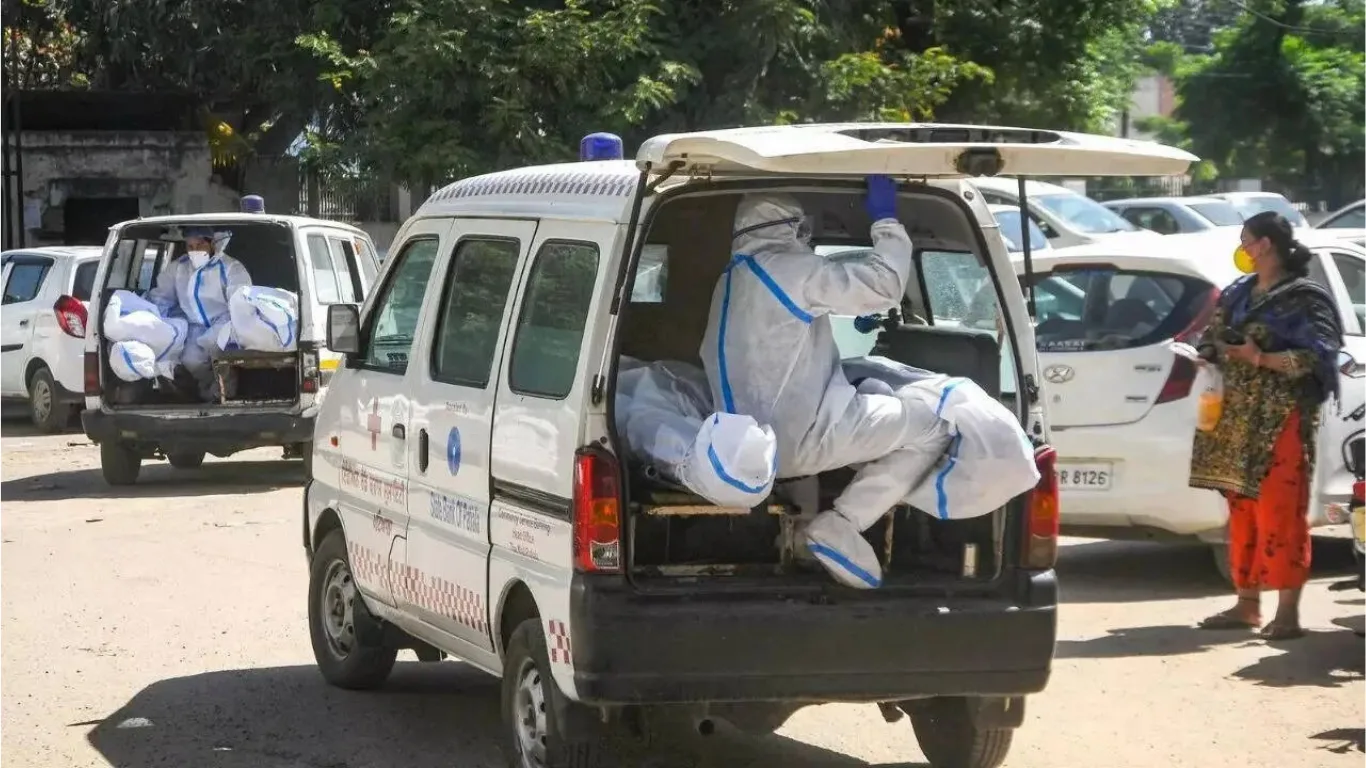
Ebola does not spread through air, water, or casual contact. This matters. A traveller on a plane sitting near someone with Ebola is not automatically at risk. The risk comes from direct physical contact , blood, sweat, vomit , particularly in caregiving or healthcare settings.
What Should Indian Travellers Know Right Now
If you have recently travelled from Uganda, the DRC, or nearby affected regions and develop fever, fatigue, body aches, or unexplained bleeding, report immediately to a government hospital. Do not self-medicate. Do not dismiss early symptoms.
Contact tracing, isolation protocols, and rapid sample testing are the three pillars of India's current response. The system works , as the Bengaluru case demonstrated , when individuals cooperate honestly and authorities act without delay.
Closing Thoughts
What happened in Bengaluru was not a crisis. It was a system functioning as designed , a traveller showing symptoms, authorities responding, tests conducted, results returned, and a negative result confirmed. That is actually what good public health looks like.
The larger outbreak in central and east Africa is serious and, by WHO's own admission, worsening. India, with its volume of international air travel, cannot assume it is insulated. It is wise that no one is waiting to find out the hard way.
Read More: Sensex Slides as US-Iran Tensions Shake Dalal Street: What Every Indian Investor Must Know Today
Disclaimer: This article is based on information available across the web. Parchar Manch does not take responsibility for its complete accuracy, as the content could not be fully verified.
FAQs
Has India confirmed any Ebola case?
No. As of the latest update from the Health Ministry, India has not reported any confirmed case of Bundibugyo Ebola disease. The Bengaluru woman who was isolated has tested negative.
How does Ebola spread?
Ebola spreads through direct contact with the bodily fluids of an infected and symptomatic person. It does not spread through air or casual contact like a handshake.
What is the Bundibugyo strain of Ebola?
It is a variant of the Ebola virus, different from the more well-known Zaire strain. The current outbreak in the DRC involves this strain, which generally has a lower fatality rate but remains dangerous.
What should I do if I recently returned from Uganda or the DRC?
Monitor yourself for symptoms including fever, fatigue, muscle pain, and unexplained bleeding. If symptoms appear, contact a government hospital immediately and inform them of your travel history.
Is it safe to travel to Uganda or DRC right now?
The Indian government has advised avoiding non-essential travel to these regions until the outbreak situation improves.