Ebola Treatment Clinical Trial in DR Congo Just Began, and It Could Change Everything for a Strain With No Cure
here's a specific kind of urgency in medicine that only shows up when a disease has no approved treatment at all. That's exactly where things stood with the Bundibugyo strain of Ebola, until this week. The Ebola treatment clinical trial DR Congo health authorities just launched marks the first real attempt to find something, anything, that actually works against this particular version of the virus.
The first patient was enrolled on Thursday. World Health Organization chief Tedros Adhanom Ghebreyesus confirmed it publicly, and for a virus with zero licensed therapeutics behind it, that single enrollment carries a lot of weight.
Why This Actually Matters
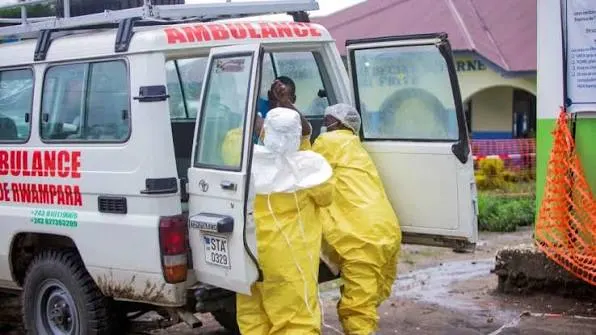
Here's the number that puts things in perspective. More than 1,400 confirmed cases and 438 deaths have already been recorded in the DRC, with additional cases spilling into Uganda and France. That's not a distant, abstract outbreak, it's an active public health emergency, expanding by roughly 38 new confirmed cases every day over the past two weeks. Unlike other Ebola strains, where treatments and vaccines already exist, Bundibugyo virus disease has had nothing. No approved vaccine. No approved drug. Just supportive care and hope. This trial is the first real shot at changing that equation.
What This Clinical Trial Really Is, Explained Simply
Think of a clinical trial like a carefully controlled experiment designed to answer one specific question with real confidence, does this treatment actually help, and by how much. The trial running in the DRC is called PARTNERS, short for Platform Adaptive Randomised Trial for New and Repurposed Filovirus TreatmentS. It's sponsored by the World Health Organization and coordinated jointly by DRC's National Institute for Biomedical Research, the Institute of Tropical Medicine in Belgium, and the University of Oxford.
The trial is testing two specific treatments. One is MBP134, a monoclonal antibody, which is essentially a lab-made protein designed to specifically target and neutralize the virus. The other is remdesivir, an antiviral drug that's already familiar to many people from its use during the COVID-19 pandemic. Researchers want to know not just whether each drug works individually, but whether combining them produces a stronger effect than either one alone.
How the Bundibugyo Ebola Treatment Trial Works, Step by Step
- Patient enrollment. Anyone confirmed to have Bundibugyo virus disease, regardless of age, is eligible to join the trial.
- Random assignment. Patients are placed into one of four groups, receiving MBP134 alone, remdesivir alone, both treatments combined, or standard supportive care as the control group.
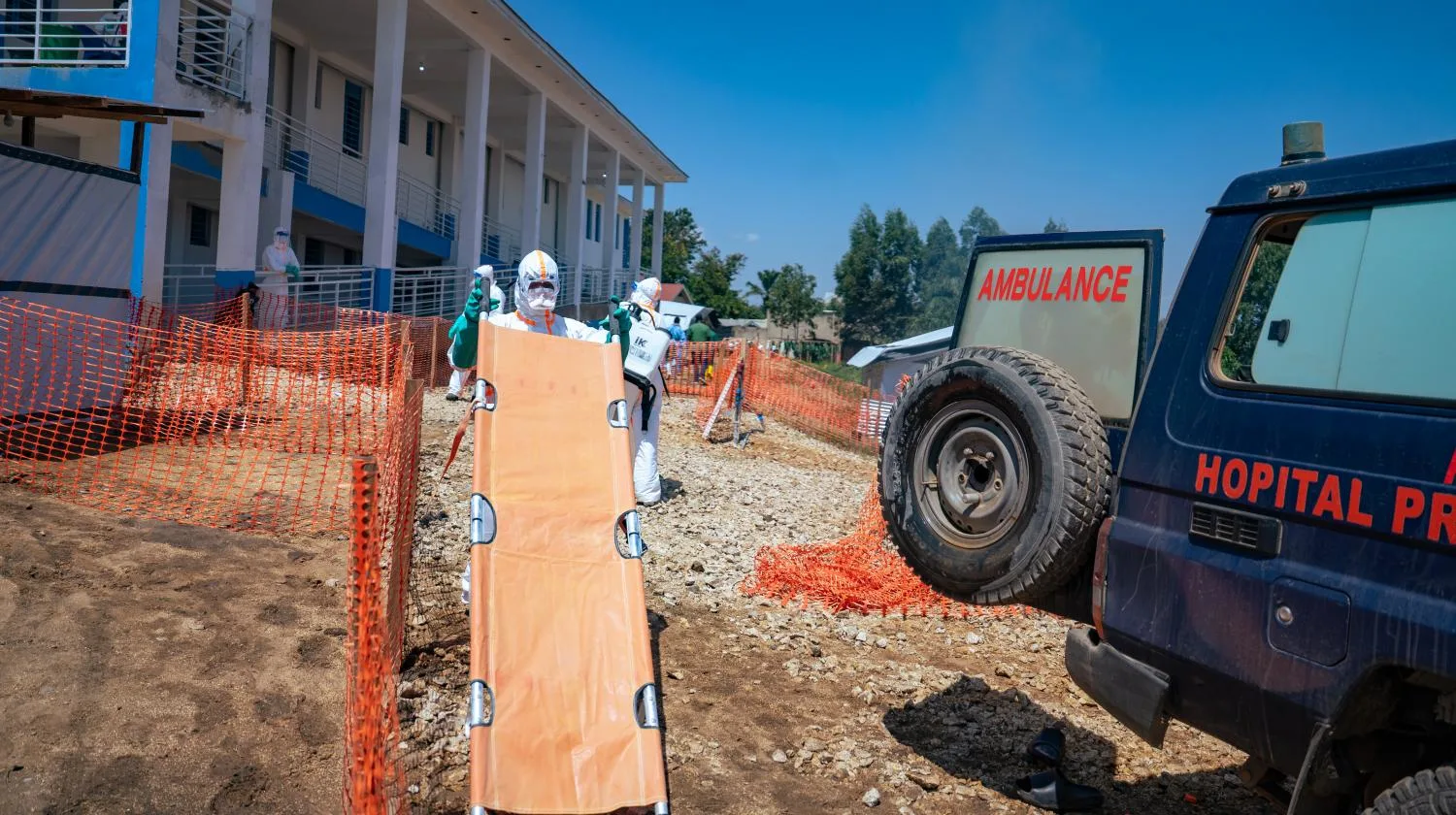
- Comprehensive care. Every enrolled patient, regardless of group, receives full supportive care and close medical follow-up throughout treatment.
- Data collection. Researchers track outcomes across all four groups to measure differences in survival and recovery.
- Adaptive design. As the platform trial design suggests, results can inform adjustments as the study continues, allowing researchers to respond quickly if one treatment shows a clear signal.
Read More: A Judge Just Killed Trump's $100,000 H-1B Visa Fee , Here Is What That Actually Means
Real-World Context Behind the Outbreak
To understand why this trial matters this much, it helps to look at the outbreak conditions on the ground. The epicenter spans three provinces, Ituri, North Kivu, and South Kivu, regions already dealing with conflict, food insecurity, and large scale displacement. Treatment capacity currently sits at 650 beds across 22 health centres, with around 96 percent of those beds already occupied, though 300 additional beds are being planned.
Contact tracing has improved, with roughly four out of five contacts now being followed up, but health officials say more contacts per confirmed case still need identifying. Community mistrust has also complicated safe burial practices, which matter enormously here since the virus remains highly infectious even after a patient has died.
Mistakes People Keep Making While Following This Story
A frequent misunderstanding is assuming this trial means a cure is imminent. It isn't, at least not yet. Clinical trials, especially ones testing entirely new therapeutic options against a previously untreated virus, take time to produce reliable data, and researchers need enough enrolled patients across all four groups before drawing firm conclusions. Another common mistake is confusing Bundibugyo virus with more familiar Ebola strains that already have approved treatments and vaccines. This particular species has genuinely had none, which is exactly why this trial represents new territory rather than a routine medical update.
Pro Tips for Following This Outbreak Responsibly
If you want to track this story accurately, pay attention to WHO's official briefings rather than secondhand summaries, since outbreak numbers change quickly and get revised often. Also watch for updates specifically distinguishing MBP134's individual performance from the combination therapy results, since that distinction will likely shape treatment guidelines going forward if the trial succeeds.
Closing Thoughts
There's something worth sitting with here. A disease that has quietly existed without any real treatment option finally has patients enrolled in a structured, scientifically rigorous attempt to find one. Whether MBP134, remdesivir, or their combination ends up making the difference, this moment represents the kind of unglamorous, careful groundwork that eventually saves lives, long after the headlines move on.
If you're personally affected by this outbreak or by health related anxiety around it, reaching out to a trusted medical professional or local health authority is always a good next step.
Read More: NLC India OFS, Vodafone Idea Rally, Airtel Relief: Three Market Stories That Defined June 9, 2026
Disclaimer: This article is based on information available across the web. Parchar Manch does not take responsibility for its complete accuracy, as the content could not be fully verified.
FAQs
What is Bundibugyo virus disease?
It's a rare, deadly strain of Ebola that currently has no approved vaccine or treatment.
What treatments are being tested in this trial?
The trial is evaluating MBP134, a monoclonal antibody, and remdesivir, an antiviral drug, both individually and in combination.
Who is running the PARTNERS trial?
ponsored by the World Health Organization and coordinated by DRC's National Institute for Biomedical Research, the Institute of Tropical Medicine in Belgium, and the University of Oxford.
How severe is the current outbreak?
As of early July 2026, there were more than 1,400 confirmed cases and 438 deaths in the DRC, with additional cases in Uganda and France.
Will everyone in the trial receive the experimental drugs?
No, patients are randomly assigned to one of four groups, including a control group that receives standard supportive care.