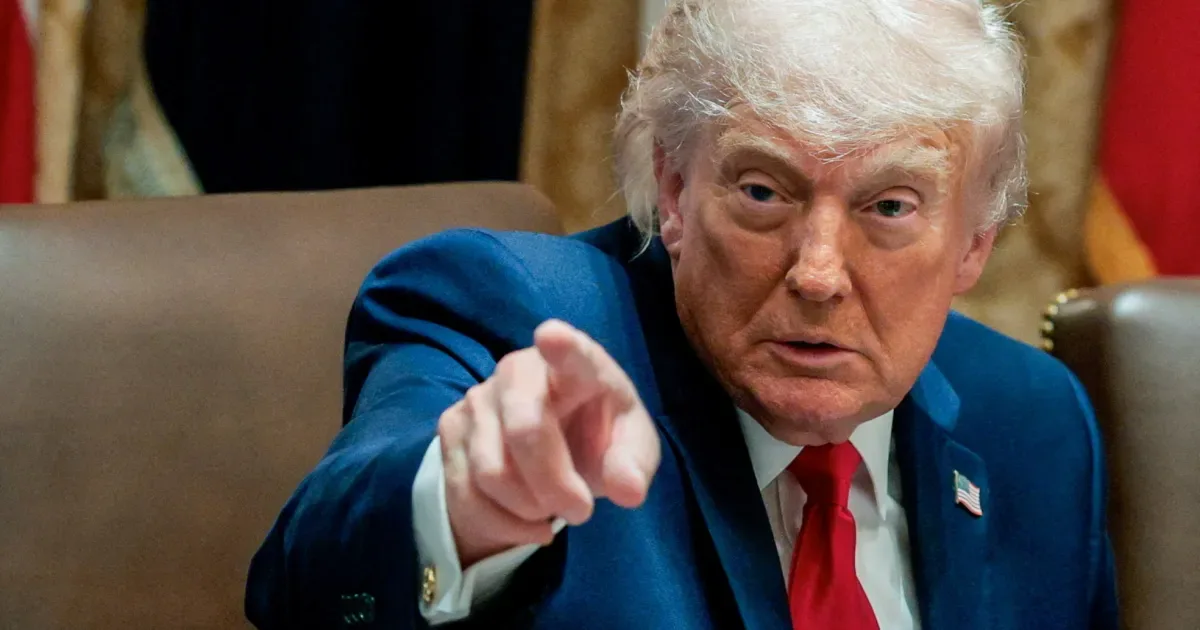
A Judge Just Killed Trump's $100,000 H-1B Visa Fee , Here Is What That Actually Means
A single court ruling in Boston on June 8, 2026 rewrote the rules for hundreds of thousands of skilled workers and the companies that employ them. A federal judge vacated President Donald Trump's $100,000 fee for employers filing H-1B visa applications, declaring the policy unconstitutional and a violation of federal law. For anyone watching the slow, grinding transformation of American immigration policy over the past year, this decision landed with real weight.
Why the $100,000 H-1B Visa Fee Ruling Is a Big Deal
Most people do not follow immigration court dockets. Fair enough. But this one touches something very practical: the pipeline of doctors, engineers, university researchers, and school teachers that many American institutions quietly depend on.
Before the fee was introduced via executive proclamation in September 2025, the cost to enter a foreign worker into the H-1B lottery was approximately $215, with total application fees typically ranging from $2,000 to $5,000 depending on employer size and petition type. Then, overnight, that number became $100,000. That is not a fee hike. That is a wall.
What the H-1B Visa Program Actually Is
The H-1B visa is a non-immigrant work visa created specifically for workers in "specialty occupations," which generally means roles requiring at least a bachelor's degree in a specialized field. Think software engineers, physicians, university faculty, and financial analysts.
Created by Congress in 1990, the H-1B visa allows 65,000 highly skilled workers born outside the United States who hold bachelor's degrees to work in the country per year, for up to six years. Companies apply on behalf of their foreign workers, and those workers enter a lottery when applications exceed the annual cap.
It is, by design, a program managed by Congress , not the president alone. That distinction is exactly what brought this case to court.
How Trump's $100,000 Fee Came to Exist , And Why It Collapsed
Trump signed a Presidential Proclamation on September 19, 2025 introducing the new $100,000 fee requirement for certain H-1B petitions. The administration framed it as a deterrent against foreign workers displacing Americans , part of a broader "America First" immigration policy agenda.
The fee hit the market immediately. Court filings showed that as of February 15, 2026, U.S. Citizenship and Immigration Services had received just 85 payments of the fee since the policy took effect , a fraction of the volume typically seen under the program. Tech companies scrambled. Hospitals delayed hires. Universities froze job offers.
Then came the lawsuits. Twenty state attorneys general filed suit against the fee, arguing it was an illegal overreach by the executive branch. The U.S. Chamber of Commerce also sued in federal court in Washington, D.C., setting up a patchwork of conflicting rulings across multiple circuits.
The case in Boston is the one that landed hardest.
What Judge Sorokin Actually Said
In a 42-page ruling, Judge Leo Sorokin, an Obama appointee, agreed with the plaintiff states who argued the fee amounted to an "unauthorized tax" rather than a "regulatory payment." He wrote plainly: "The President has no authority to levy a tax unless such a power is delegated by Congress through statute."
Read More: Praggnanandhaa Beats Magnus Carlsen Twice at Norway Chess 2026: What Just Happened Is Historic
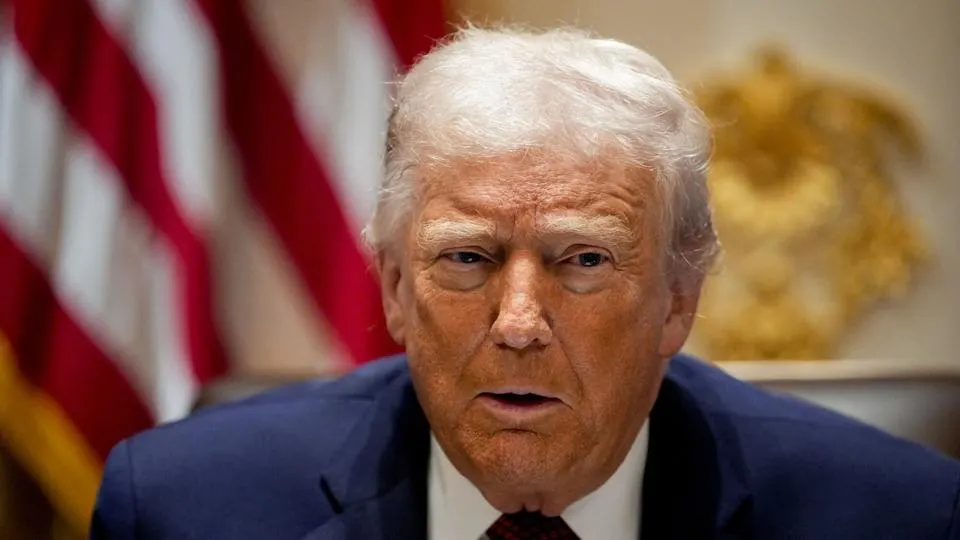
That is the heart of it. The administration called it a fee. The court called it a tax. And taxes, under the U.S. Constitution, require congressional approval , not an executive proclamation.
The policy also violated the Administrative Procedure Act, which governs how federal agencies create and implement regulations.
What Happens Next for Employers and Workers
The practical impact is immediate. Employers who had been waiting to file new H-1B petitions, or who were delaying workforce planning decisions because of the $100,000 cost, can now move forward under the pre-existing fee structure.
But the legal fight is not over. The Trump administration has announced plans to appeal the ruling. HR and legal teams at companies that rely on H-1B sponsorship should expect continued legal uncertainty as the appeal moves forward.
A third lawsuit was also filed in San Francisco by religious groups and labor organizations, setting up the possibility of divided rulings across three separate federal appellate circuits. That kind of split is exactly what can send a case to the Supreme Court.
Read More: The Cockroach Janta Party: India's Gen Z Turned Humiliation Into a Political Warning Shot
What the 20 States Actually Argued
This was not an abstract constitutional dispute. The plaintiff states argued that the policy would impede their ability to hire primary and secondary school educators and staff public colleges and universities, stymie academic research, and lead to a decline in medical workers.
New York Attorney General Letitia James, one of the 20 state AGs involved, said the ruling put an end to "this administration's illegal attempt to destroy this critical program and the many jobs it makes possible."
The states were not just defending foreign workers. They were defending their own institutions.
The Bigger Pattern Worth Watching
This ruling sits inside a larger argument about how far executive power over immigration can legally stretch. The Trump immigration policy has tested those limits repeatedly, and courts have pushed back with notable frequency. The H-1B visa program has become a proxy for something larger: the question of whether immigration is primarily an economic instrument or primarily a political one.
That debate is nowhere near finished.
Disclaimer: This article is based on information available across the web. Parchar Manch does not take responsibility for its complete accuracy, as the content could not be fully verified.
FAQs
What is the H-1B visa and who uses it?
The H-1B is a work visa for foreign nationals in specialized fields , tech, medicine, academia, finance. U.S. employers sponsor applicants, who then enter an annual lottery capped at 65,000 spots.
Why did Trump impose a $100,000 fee on H-1B applications?
The administration introduced the fee via a September 2025 executive proclamation, framing it as a way to discourage companies from hiring foreign workers over American ones. Critics called it an unlawful tax imposed without congressional approval.
What did Judge Sorokin's ruling actually decide?
The judge ruled that the $100,000 charge was an unconstitutional tax , not a regulatory fee , and that the president lacked authority to impose it without Congress. He also found it violated the Administrative Procedure Act.
Does this ruling mean H-1B filings go back to normal immediately?
For now, yes. Employers can file under the previous fee structure. But the Trump administration has signaled it will appeal, so the legal situation remains fluid.
Could the Supreme Court end up deciding this?
Possibly. With three separate lawsuits in three different federal circuits, and at least one earlier ruling that upheld the fee, a circuit split is a real possibility , which is exactly the kind of scenario that can draw Supreme Court review.
What industries are most affected by this ruling?
Technology companies are the largest users of H-1B visas, but the program also serves hospitals, universities, research institutions, and K-12 school systems that rely on it to fill specialized roles.