
ED Raids Pinarayi Vijayan's Home: What the CMRL Money Laundering Case Really Means
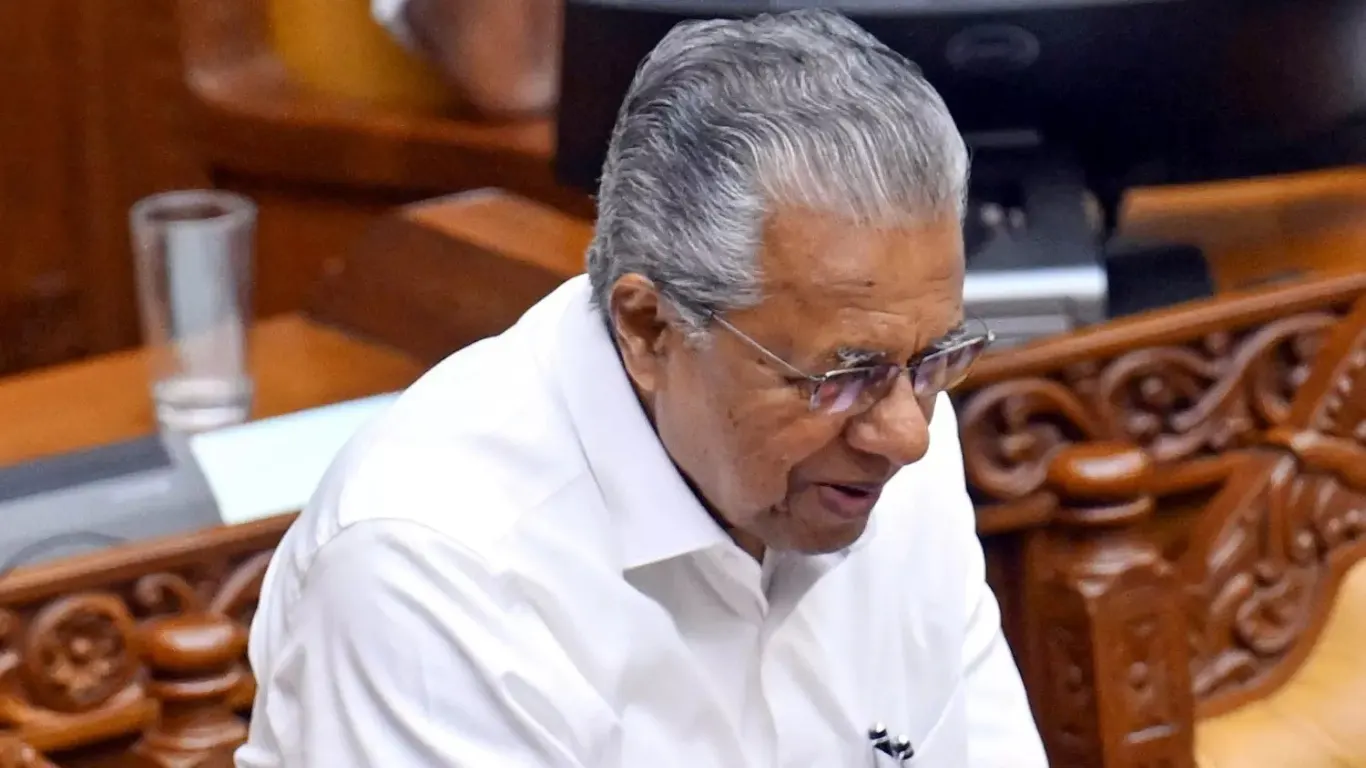
It was not a quiet morning in Thiruvananthapuram. Teams from the Enforcement Directorate (ED) arrived at the residences of former Kerala Chief Minister Pinarayi Vijayan , and the ripple went far beyond Kerala politics. Eleven locations were searched simultaneously, including the home of his daughter Veena Vijayan and premises linked to her company, Exalogic Solutions. This is the CMRL money laundering case, and it is a story that has been building quietly for years.
If you have heard the name but not the details, here is everything you need to know.
Why This Case Is Not Just Political Noise
Every time the ED moves against a politician, the word "vendetta" follows within the hour. The CPI(M) called these raids a case of "clear political vendetta." Party General Secretary M.A. Baby said the ED was functioning as "an extension of the RSS-BJP government." Mohamed Riyas, Pinarayi's son-in-law, said they would "fight till the last breath."
That reaction is predictable. But what is less discussed is the legal scaffolding already in place. The Kerala High Court had already dismissed CMRL's plea to quash the ED case, and separately upheld ED summons in the probe tied to payments made to Veena Vijayan's company. The courts, not just the agency, have let this investigation continue.
That matters. A lot.
What the CMRL-Exalogic Case Is Actually About
CMRL stands for Cochin Metro Rail Limited , a public infrastructure company. The allegation at the center of this case is that Exalogic Solutions, a company run by Veena Vijayan, received payments from CMRL that investigators believe were irregular or unjustified. The question being asked: was public money routed as a payoff, and did it benefit a company with direct family ties to the then Chief Minister?
This falls under the Prevention of Money Laundering Act (PMLA) , the law that gives the ED authority to investigate and prosecute financial crimes involving proceeds of illegal activity. Under PMLA, if money is found to be derived from a scheduled offence , corruption, for instance , it becomes what the law calls "proceeds of crime." The ED's job is to trace, attach, and prosecute.
Think of it like this: if someone gets paid for a contract they should not have received, and that payment travels through bank accounts, the ED treats the money itself as the crime , not just the act of giving it.
Read More:Pope Leo XIV's "Magnifica Humanitas": The Church's Bold Stand Against AI Dehumanization
How an ED Raid Actually Works
An ED raid is not a random show of force. There is a paper trail before the search even begins.
The agency files what is called an Enforcement Case Information Report (ECIR) , the ED's equivalent of an FIR. From there, investigators collect documentary evidence, bank records, and statements before approaching a court for search authorization. When teams enter a premises, they are looking for documents, digital devices, cash, and anything that might link financial transactions to the alleged crime.
In this case, raids covered 11 locations across Kerala. Veena Vijayan was reportedly questioned as part of the searches. The timing , coming after the Kerala High Court gave the ED a free hand , was not accidental.
What the Opposition and Ruling Party Are Both Getting Wrong
The BJP and Congress are framing this as vindication. The CPI(M) is framing it as persecution. Both are missing the point a common citizen should care about.
The real question is whether public money was used improperly. CMRL is a company funded by taxpayers and government investment. If payments from it were made without genuine service being rendered , or made specifically to benefit a politically connected person , that is not a party issue. That is a governance issue.
Money laundering investigations are not about what someone believes politically. They are about what the money trail shows.
What Common People Often Misunderstand About ED Cases
A frequent mistake is assuming an ED raid equals guilt. It does not. The agency investigates. Courts decide.
Another misunderstanding: people assume PMLA cases move fast. They rarely do. These are complex financial investigations. The Exalogic-CMRL case has been moving through courts and agencies for years already. Raids are one step in a much longer process.
A third confusion is about attachment of property. The ED can provisionally attach assets it believes are proceeds of crime , but this too goes before a court, the Adjudicating Authority under PMLA, which can confirm or release the attachment.
Read More: Iran Reveals Mojtaba Khamenei's Injuries: What Really Happened the Day Tehran Was Struck
What to Watch as This Case Develops
The Kerala High Court has already upheld the ED's authority to issue summons in this matter. The next stages will likely involve:
Statements on record from those questioned during the raid. Documentary analysis of CMRL's payment records and Exalogic's financials. Potentially, provisional attachment of assets if the agency believes it has identified proceeds of crime. And eventually, if the evidence holds, a prosecution complaint filed before a Special PMLA Court.
The political noise will continue. But the legal process has its own rhythm , and right now, that rhythm is moving.
Closing Thoughts
There is something worth sitting with here. The ED raiding a former Chief Minister's home is not routine , it is significant regardless of which party is in power or who is doing the raiding. What makes this case worth watching is not the political drama around it. It is the underlying question of whether a public infrastructure company's funds were used in ways that benefited private, politically connected interests.
That question, whoever answers it and whenever they do, deserves a straight answer.
Disclaimer: This article is based on information available across the web. Parchar Manch does not take responsibility for its complete accuracy, as the content could not be fully verified.
FAQs
What is the CMRL case about?
The case involves allegations that Exalogic Solutions, a company run by Veena Vijayan (daughter of former Kerala CM Pinarayi Vijayan), received irregular payments from Cochin Metro Rail Limited (CMRL), a public sector company. The ED is investigating whether these payments constitute money laundering under PMLA.
What authority does the ED have to conduct raids?
The Enforcement Directorate operates under the Prevention of Money Laundering Act (PMLA). It can search premises, seize documents, question individuals, and provisionally attach assets believed to be proceeds of crime , subject to judicial oversight.
Has any court sided with the ED in this case?
Yes. The Kerala High Court dismissed CMRL's plea to quash the ED case and also upheld ED summons tied to payments made to Veena Vijayan's company. These rulings gave the agency legal backing to continue its investigation.
Does an ED raid mean the person is guilty?
No. A raid is an investigative step, not a conviction. The ED gathers evidence during searches. Guilt or innocence is determined only after a full judicial trial before a Special PMLA Court.
What is the Prevention of Money Laundering Act (PMLA)?
PMLA is a central law in India that criminalises the use, concealment, or disguise of money derived from illegal activities. It gives the ED powers to investigate, attach property, and prosecute individuals involved in laundering the proceeds of crime.
What happens next in this case?
Following the raids, the ED will analyse seized documents and financial records, record formal statements, and may provisionally attach assets. If sufficient evidence exists, the agency can file a prosecution complaint before a Special Court, which then conducts the actual trial.