US Military Fires 'Self-Defence' Strikes Inside Iran — Missile Sites Destroyed, Mines Seized Near the Strait of Hormuz
US self-defence strikes in Iran just became the biggest story out of the Middle East this week. And honestly, the timing makes your head spin a little because these strikes happened while peace talks were actively underway, and while President Trump was publicly saying negotiations with Tehran were "proceeding nicely."
So, what exactly happened? And what does it mean for a war that is already 88 days old?
Why These US Strikes on Iran Matter Right Now
The US-Iran war, which formally began when President Trump announced major combat operations on February 28, 2026, has been operating under a fragile, open-ended ceasefire for weeks. That ceasefire has never been a clean silence. It has always been more of a managed tension strikes here, warnings there, diplomatic back-channels everywhere.
But Monday's events pushed things closer to the edge again.
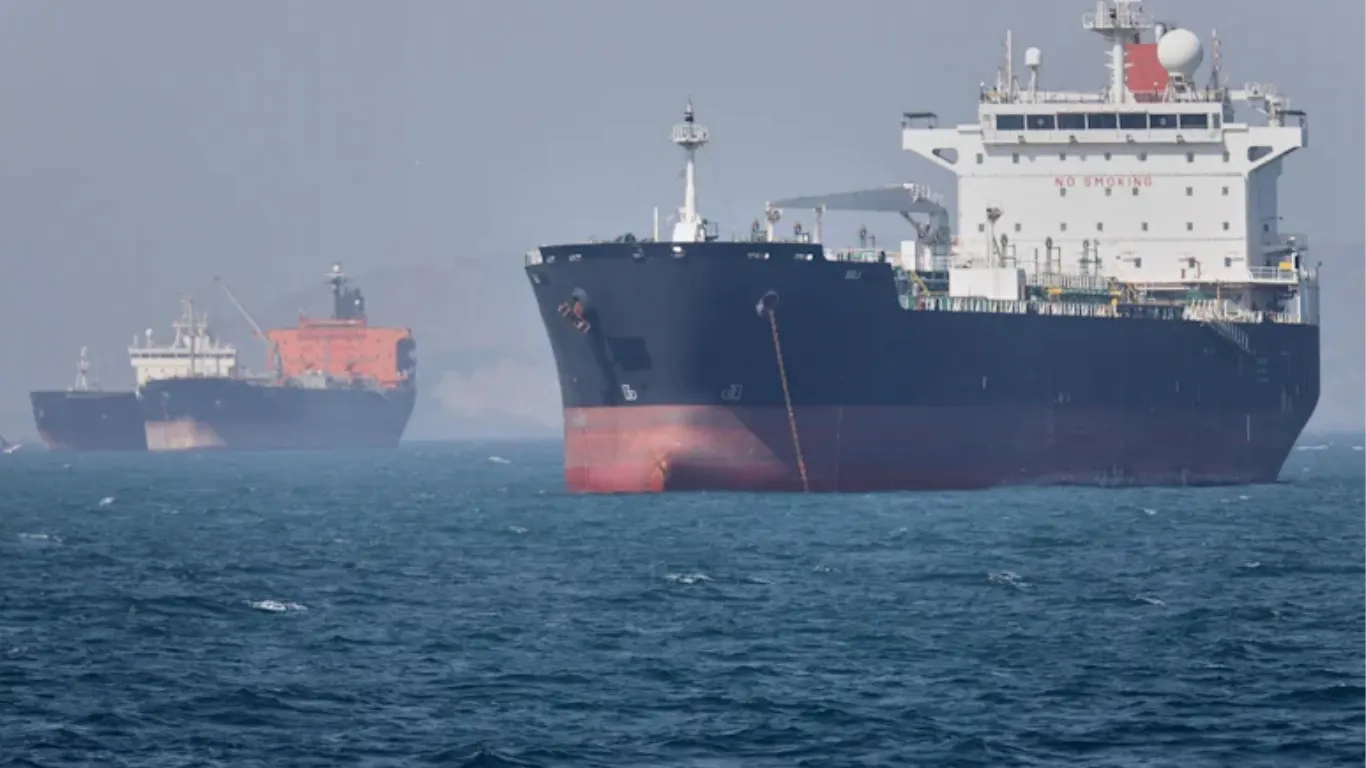
IRGC boats belonging to Iran's Islamic Revolutionary Guard Corps were caught attempting to lay mines in the Strait of Hormuz. That is not a small thing. The Strait of Hormuz is the narrow waterway through which roughly 20% of the world's oil supply passes every single day. Blocking or mining it would send global energy markets into a spiral.
The US responded fast. And hard.
What Actually Happened: The Strikes Explained
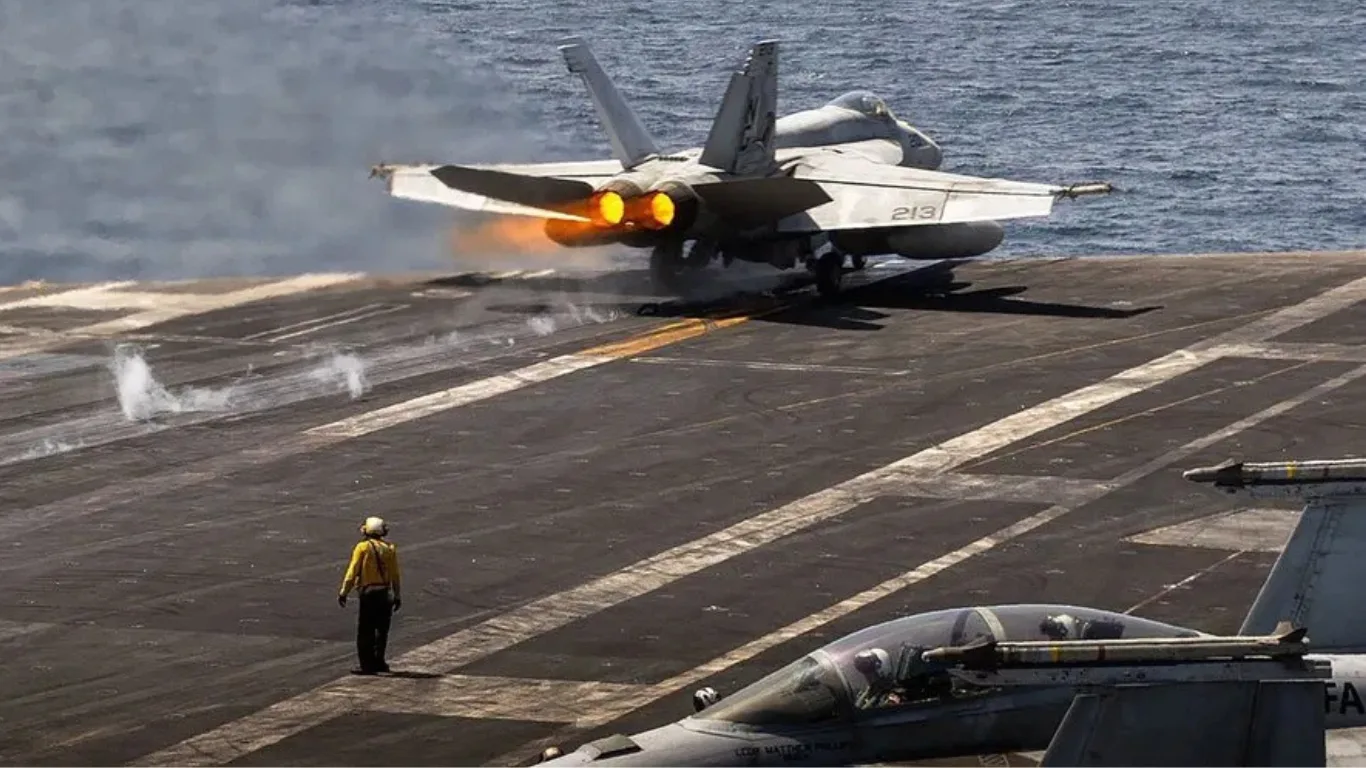
On May 25, 2026, US Central Command (CENTCOM) confirmed that American forces conducted self-defense strikes in southern Iran. The spokesperson, Captain Tim Hawkins, was direct:
"US forces conducted self-defense strikes in southern Iran today to protect our troops from threats posed by Iranian forces. Targets included missile launch sites and Iranian boats attempting to emplace mines."
Here is what the strikes hit, based on CENTCOM's statements and reporting from senior US officials:
Two IRGC fast boats were caught laying mines in the Strait of Hormuz. Both vessels were destroyed by US forces.
A surface-to-air missile (SAM) site in Bandar Abbas Iran's main naval base city was struck after it targeted American warplanes flying in the area.
Read More: Sundar Pichai Just Redefined Google Search, and It Was Over a Pint
Additional missile launch sites near Sirik and Jask, both located close to the Strait, were also hit.
Bandar Abbas sits on the northern coast of the Strait of Hormuz and hosts a significant Iranian naval and air base. Iranian state television confirmed explosions in the city, though Iranian state media quickly added that the situation was "under control."
A US official described the scope of the strikes as "very small." That phrasing matters it signals that Washington was not looking to escalate beyond the immediate threat.
The Ceasefire Is Still Technically in Place Just Barely
Here is where things get complicated.
CENTCOM specifically said the strikes were conducted "while using restraint during the ongoing ceasefire." So the US position is: the ceasefire is not broken, these were defensive in nature, and they were a response to active Iranian aggression rather than an offensive move.
Iranian state media did not immediately declare the ceasefire dead either — which, in a conflict this fragile, counts as meaningful.
Meanwhile, Iranian negotiators had actually arrived in Qatar for peace talks on the same day as the strikes. Yes, the same day. The US-Iran peace deal negotiations are grinding forward in Qatar even as bombs fall in Bandar Abbas. That is the kind of contradiction that defines this war.
Read More: Cockroach Janta Party Founder Abhijeet Dipke Faces Caste Attacks After Revealing Dalit Identity on X
Trump, for his part, posted on social media that talks were "proceeding nicely" though he separately warned that Iran's enriched uranium should be destroyed "in place" or moved to "another acceptable location," a statement that signals the nuclear issue remains the hardest knot to untangle.
Secretary of State Rubio added a dose of realism, noting that a deal involving the Strait of Hormuz would "take time."
What the Iranian Response Tells Us
Iran's initial public response was measured. State media said things were "under control." But the news website Tabnak believed to be close to former Revolutionary Guard chief Mohsen Rezaei reported that four IRGC troops were killed in the strikes on the boats.
Iran's government also issued a warning about oil prices, with Tehran suggesting crude could hit $200 per barrel if tensions escalated further. Oil markets responded to Monday's events with noticeable jitters.
Background: How Did We Get Here?
For those catching up: the current US-Iran conflict began in February 2026, with a massive joint US-Israeli military operation targeting Iranian military, government, and infrastructure sites. A two-week ceasefire followed, but early peace talks in Pakistan in April failed.
Read More: West Bengal Post-Poll Violence Explained: What Is Happening on the Ground and Why It Refuses to Stop
The ceasefire was then extended indefinitely, with a continued US naval blockade in place. Since then, both sides have periodically tested each other's limits.
Monday's strikes are the latest and among the most pointed examples of that testing.
What This Means for Oil, Global Markets, and Diplomacy
The Strait of Hormuz is not just a military flashpoint. It is the world's most critical oil chokepoint. When Iranian boats start laying mines there, oil traders take notice immediately. Crude prices climbed on news of Monday's strikes, though markets were also watching the Qatar talks for signs of progress.
The broader picture is this: the US is trying to hold two things simultaneously continued military pressure and active diplomacy. Whether that combination produces a deal or a deeper war is the question that no one in Washington, Tehran, or Doha can fully answer right now.
Disclaimer: This article is based on information available across the web. Parchar Manch does not take responsibility for its complete accuracy, as the content could not be fully verified.
FAQs
What were the US self-defense strikes in Iran targeting?
CENTCOM confirmed the strikes targeted Iranian missile launch sites near Bandar Abbas and two IRGC boats that were attempting to lay mines in the Strait of Hormuz. A surface-to-air missile site that had targeted American warplanes was also destroyed.
Is the US-Iran ceasefire still active after the strikes?
According to CENTCOM, yes. The US military stated it was "using restraint during the ongoing ceasefire" and described the strikes as defensive, not an effort to break the ceasefire.
Why is the Strait of Hormuz so important?
Roughly 20% of the world's oil supply passes through this narrow waterway daily. Any disruption — including mines — would affect global energy prices and supply chains almost immediately.
Were there any casualties from the strikes?
Iranian news website Tabnak, which is believed to have ties to a former IRGC commander, reported four IRGC troops killed in the strikes on the boats. The US did not publicly confirm Iranian casualties.
What is the current status of US-Iran peace negotiations?
Talks are continuing, with Iranian negotiators arriving in Qatar on the same day as the strikes. President Trump stated negotiations were "proceeding nicely," though core issues particularly Iran's nuclear program remain unresolved.
What comes next?
That depends on both sides. The US wants a deal that includes Iran surrendering or destroying its enriched uranium. Iran wants the military blockade lifted. The gap between those positions is still wide, and Monday's strikes will not have made the conversation easier.