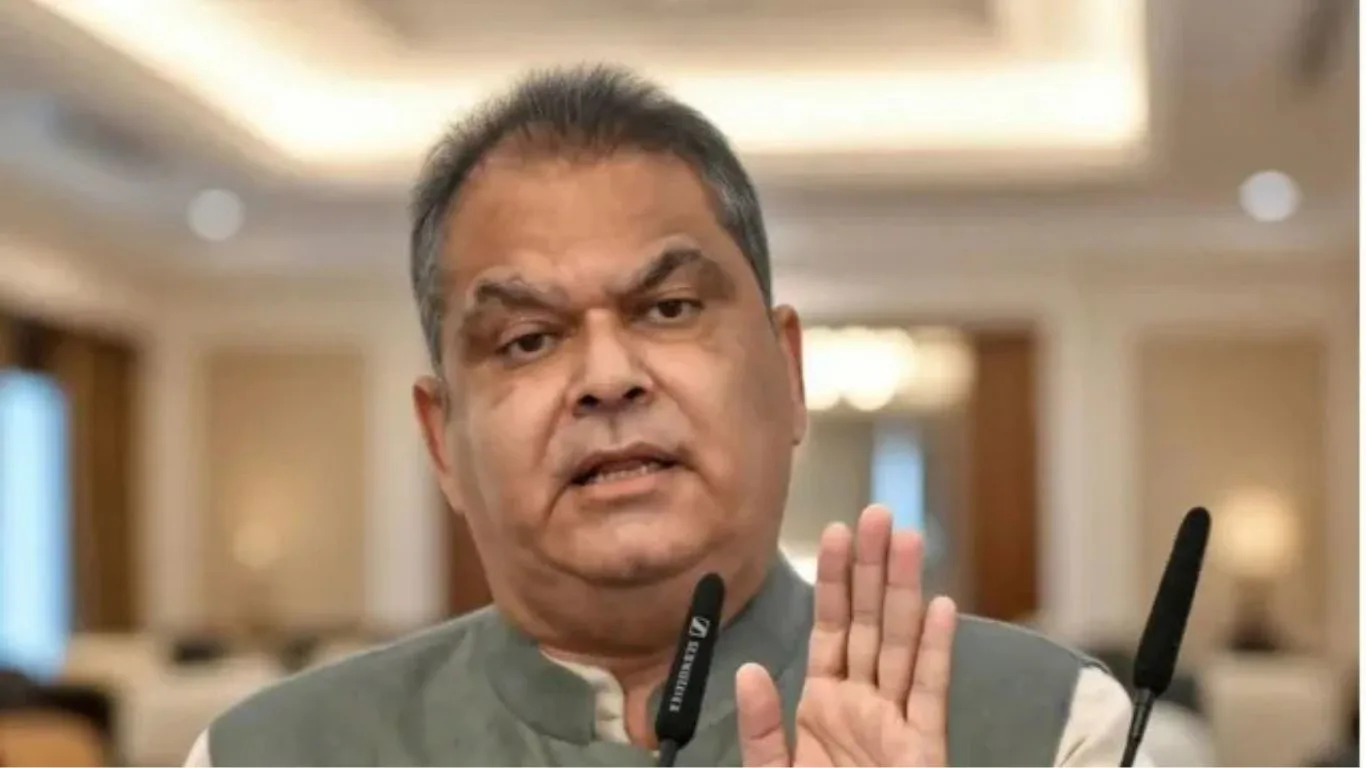
ED Raids Punjab Minister Sanjeev Arora for the Third Time: What the Rs 100 Crore Money Laundering Case Is Really About
Five in the morning. Around twenty vehicles from the Enforcement Directorate roll up to the official ministerial residence in Chandigarh's Sector 2. Heavy security, multiple teams, simultaneous searches across Delhi, Gurugram, and Chandigarh. This is not a routine check. This is the third time in a single year that ED raids on Punjab Minister Sanjeev Arora have been carried out, and the second time within a month alone.
If you are wondering whether this is significant, it is. And the reasons go deeper than political noise from either side.
Why the ED Raid on Sanjeev Arora Keeps Coming Back
The latest action marks the third raid at Arora's residence. In April, the ED had raided Arora and entities linked to him under the civil provisions of the Foreign Exchange Management Act (FEMA). In 2024, Arora faced ED raids in a money laundering case linked to the alleged conversion of industrial land for residential projects. At that time, he was a Rajya Sabha MP.
Three raids in a year is not a coincidence of paperwork. It suggests an investigation that keeps expanding, or at least one that the agency believes has more to uncover. Whether that instinct leads somewhere concrete is a question still open.
The Enforcement Directorate conducted fresh searches against Punjab Industries Minister Sanjeev Arora and some others allegedly linked to him as part of a money laundering investigation. The action was taken under the criminal sections of the Prevention of Money Laundering Act (PMLA). That distinction between criminal and civil provisions matters. Earlier raids in April were under FEMA, a civil statute. Saturday's raid operated under PMLA's criminal provisions, which carry substantially higher legal consequences.
What Is the Alleged Rs 100 Crore Money Laundering Scheme? A Plain-Language Breakdown
Here is the core allegation, and it involves a chain of transactions that requires a moment to untangle.
The ED investigation relates to an alleged large-scale money laundering operation involving alleged fake GST transactions. Officials said Arora, through his company, is allegedly accused of generating fraudulent purchase bills of mobile phones worth over Rs 100 crore from allegedly non-existent firms based in Delhi. These fake transactions were allegedly used to claim undue Input Tax Credit (ITC), along with wrongful GST refunds on export credits and duty drawbacks.
Read More: One Year of Operation Sindoor: How India Rewrote the Rules of War with Pakistan
Think of it this way. If a company creates invoices for purchases that never actually happened, it can claim tax credits it was never entitled to. Those credits become cash, effectively drawn from the government's own coffers. The mobile phone industry is a common vehicle for such schemes because the transactions can be large, the supply chain is complex, and verification requires significant cross-referencing.
The agency further suspects that the funds were allegedly routed through exports and subsequently round-tripped from Dubai to India to legitimise illicit gains, causing significant losses to the government exchequer.
"Round-tripping" is the critical phrase here. It refers to money that leaves India, gets funnelled through overseas accounts or entities, and then re-enters the country, appearing as legitimate foreign investment or export proceeds. By the time it arrives back, the trail has been deliberately obscured.
What Hampton Sky Realty Has to Do With This
Raids were also carried out at five locations in Delhi, Gurugram, and Chandigarh, including the office premises of Hampton Sky Realty Limited and residential properties linked to Arora.
Shiromani Akali Dal leader Bikram Singh Majithia said the ED raids have been linked to Hampton Sky Realty Ltd., with the agency probing an alleged Rs 100 crore fake GST mobile phone purchase and export racket linked to money laundering.
So this is not only about a minister's personal accounts. The probe touches a real estate company, export transactions, and allegedly non-existent supplier firms. The web is wider than a single raid suggests.
Read More: When Fashion Becomes Living Art: 2026 Met Gala “Costume Art” Theme Explained
What the AAP Government and CM Bhagwant Mann Are Saying
Punjab Chief Minister Bhagwant Mann accused the BJP of misusing the Enforcement Directorate, saying this was the third ED visit to Arora's house in one year and the second in the last month, but claimed that nothing had been found so far. He said Punjab would not bow to pressure or political tactics.
In a post on X, Mann wrote: "I want to tell Modi ji that Punjab is the land of the Gurus, which even Aurangzeb could not subdue. This is the land of Bhagat Singh, who never bowed before the British, so Punjab will never bow before Modi's tactics. The end of this unethical alliance of ED-BJP will begin from Punjab itself."
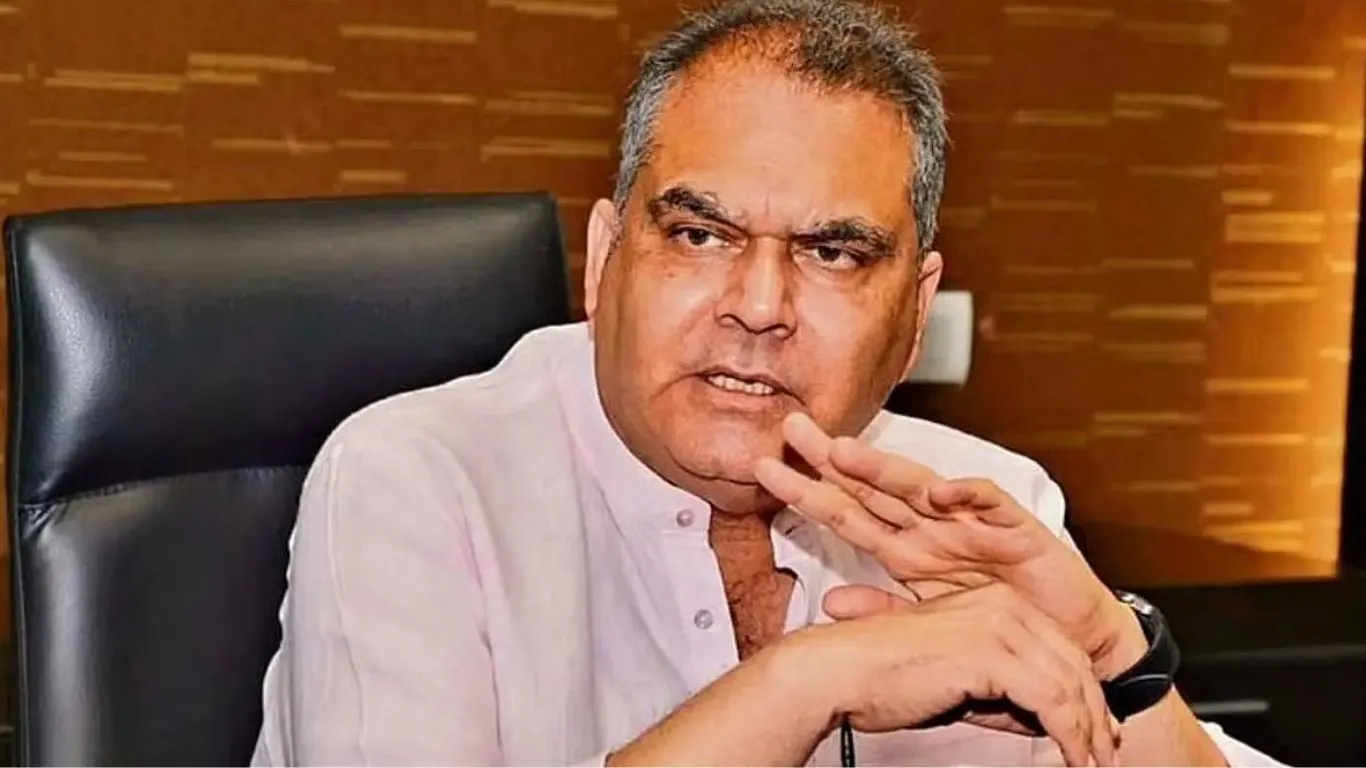
This framing is an important context. The Aam Aadmi Party government in Punjab is positioning the raids as political targeting rather than genuine law enforcement. That is a standard opposition response to ED action, and it does not automatically make the allegation false or true. It does tell you that the political temperature around this investigation is very high.
Punjab Cabinet Minister Harpal Singh Cheema alleged political targeting, saying, "Look, the Bharatiya Janata Party has once again targeted our Cabinet colleague Sanjeev Arora at his residence. This is part of the BJP's design."
Read More: Tamil Nadu Hung Assembly 2026: Why Vijay's Historic Win Is Hanging by a Thread
What Arora Has Said
Arora had said that he would fully cooperate with the probe agencies and that he was confident that the truth would prevail.
That response is measured. It neither denies the investigation nor escalates the confrontation. His party leadership has taken the louder position on his behalf.
Why This Case Matters Beyond Punjab
PMLA money laundering cases involving sitting ministers are relatively rare, and when they happen, they carry weight that goes beyond the individual involved. They touch on questions about how public funds are protected, how tax credit systems can be exploited, and whether regulatory agencies are functioning independently or under political direction.
The fake GST ITC fraud model alleged here is not unique to this case. Tax authorities across India have identified this pattern repeatedly in sectors like textiles, pharmaceuticals, and electronics. The mobile phone angle is newer, but the mechanism is identical. GST's design, with its reliance on self-declared invoices and cross-verification systems that sometimes lag, creates windows that bad actors attempt to exploit.
Closing Thoughts
What happens next in this investigation will matter. Three raids without an arrest, without recovered documents entering a public court record, without charges being filed, leave the story genuinely unresolved. It could mean the evidence trail is building slowly. It could mean the opposition's version of events has some basis.
The one thing worth watching, regardless of political affiliation, is whether the investigation reaches a conclusion that can withstand judicial scrutiny. That is what separates accountability from theatre.
Read More: Mamata Banerjee Refuses to Resign After West Bengal Election Defeat: Is Democracy Under Threat?
FAQs
Who is Sanjeev Arora, and what is his current role?
Sanjeev Arora is an AAP legislator from Ludhiana West and currently serves as Punjab's Industries and Power Minister. He was previously a Rajya Sabha MP before joining the state cabinet.
What is the Rs 100 crore money laundering allegation against him?
The ED alleges that Arora's company generated fake GST purchase bills for mobile phones worth over Rs 100 crore from non-existent firms, claimed fraudulent Input Tax Credit, and round-tripped funds through Dubai to legitimise the gains.
What is PMLA, and why is it significant in this case?
PMLA stands for the Prevention of Money Laundering Act, 2002. It is a criminal statute, meaning investigations under it can lead to arrest and prosecution, unlike civil provisions under FEMA. Saturday's raids were conducted under PMLA's criminal sections.
Has anything been recovered in previous raids?
Punjab CM Bhagwant Mann stated publicly that nothing has been found in previous raids. The ED has not issued a detailed public statement on the findings of any specific search operation.
What is round-tripping, and how does it work?
Round-tripping is a financial manoeuvre where money is sent out of India to foreign accounts or entities and then returned to India disguised as legitimate foreign investment or export proceeds, making illicit funds appear clean.
Is this the first time an AAP minister has faced ED action?
No. AAP leaders and affiliates in both Delhi and Punjab have faced multiple ED and CBI investigations. The party has consistently characterised such actions as politically motivated by the BJP-led central government.