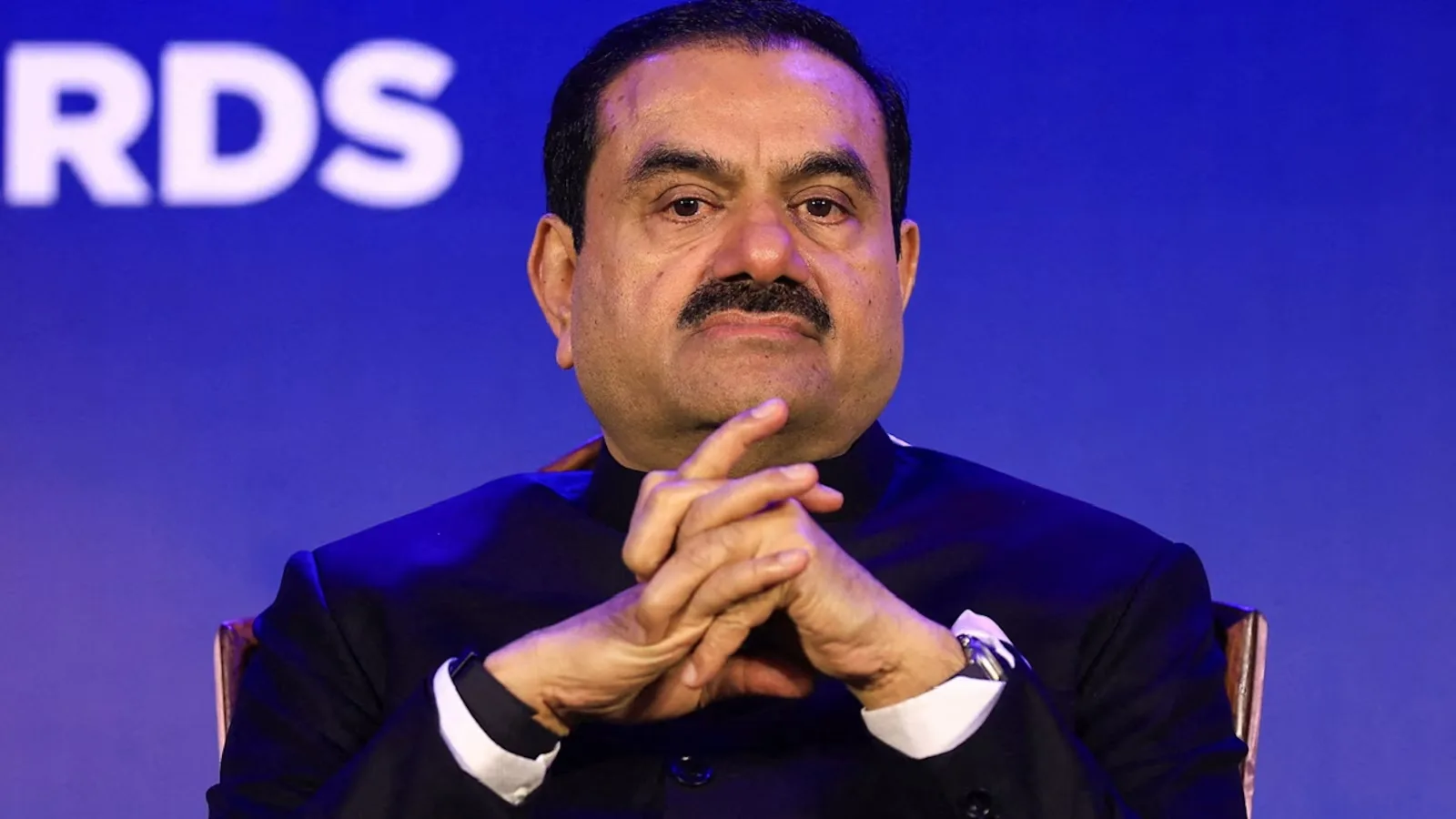
Gautam Adani's US Fraud Case Is Falling Apart: The $18 Million Deal That Changes Everything
Something quietly extraordinary is happening in a New York courthouse, and most people are only now beginning to piece it together.
The United States Department of Justice and the Securities and Exchange Commission are reportedly moving to end their Gautam Adani fraud case a legal battle that once threatened to unravel the reputation of Asia's richest man and rattle India's infrastructure ambitions in one swift blow. The charges were serious: bribery allegations worth $265 million, claims that Adani and associates paid bribes to Indian government officials to secure solar energy contracts.
And now, according to multiple reports from the New York Times, Reuters, Bloomberg, and the Financial Times, those charges are being dropped or quietly settled. The settlement figure that has emerged: $18 million total, split between Gautam Adani and his nephew Sagar Adani, subject to court approval.
Why the Adani US Bribery Charges Matter Beyond the Courtroom
This is not just a billionaire's legal headache. When the original indictment was unsealed in November 2024, markets reacted immediately. Adani Group stocks fell sharply. International lenders paused funding conversations. Partners in green energy projects grew cautious. The Adani Group, which spans ports, airports, power generation, green energy, cement, and media, suddenly carried the shadow of a criminal indictment in the world's most powerful legal jurisdiction.
That shadow shaped India-US business conversations for months. It quietly influenced how Indian officials navigated diplomatic exchanges. And now, its potential removal is reshaping all of that again in reverse.
Read More: One Year of Operation Sindoor: How India Rewrote the Rules of War with Pakistan
What the Charges Actually Were: The Bribery Case Explained Simply
Think of it this way. The US government alleged that Adani Green Energy secured large solar power supply contracts from Indian state electricity distribution companies. The allegation was that these contracts were obtained with the help of bribes paid to Indian officials. The number attached was around $265 million. That is the amount US prosecutors claimed was involved in the alleged scheme.
The US SEC, the civil arm, filed a separate lawsuit alongside the criminal case brought by the Department of Justice. The SEC case covers securities fraud — the accusation being that investors were misled while fundraising activities were happening alongside the alleged bribery.
Both tracks were moving forward. Now both appear to be closing.
How the Settlement Came Together
Reports point to a specific sequence of events. Adani reportedly hired a prominent Trump-connected lawyer. Negotiations followed. The reported outcome has Gautam Adani and Sagar Adani consenting to pay a combined $18 million as part of an SEC settlement. In exchange, the DOJ is reportedly moving toward dropping the criminal fraud and bribery charges entirely.
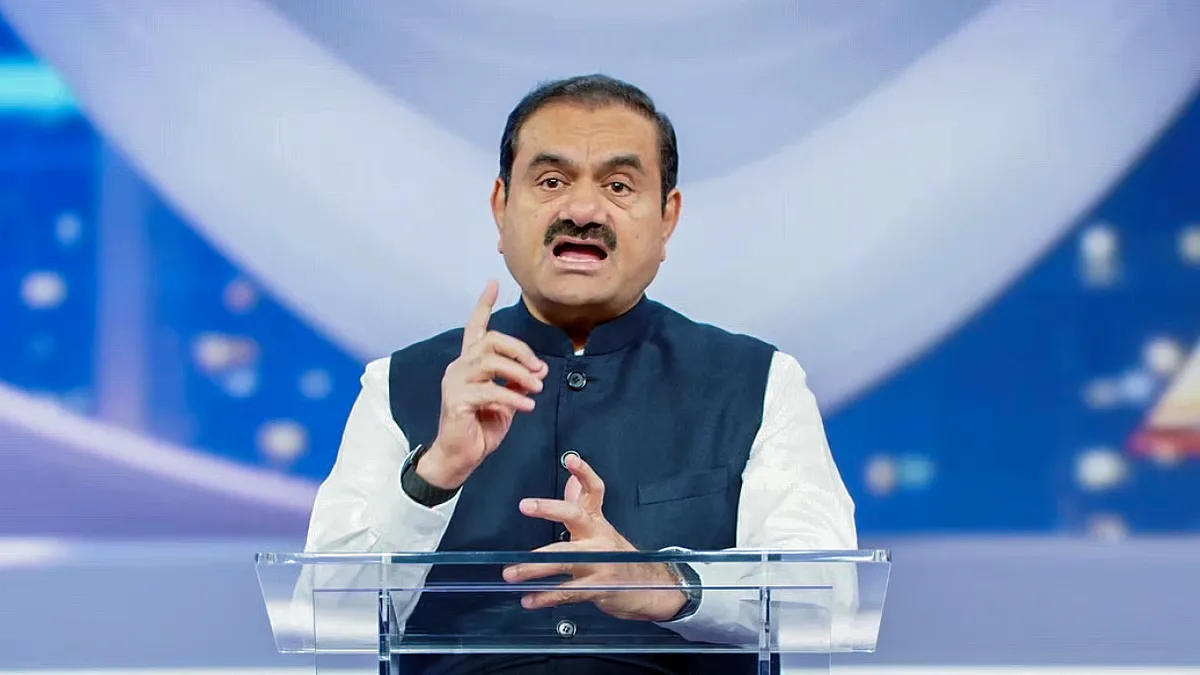
Reports from the Guardian note that the charges may be dropped specifically after the Adani representative made what the New York Times described as a "$10 billion investment offer" — signals that the group was willing to commit substantial capital to US-linked projects, create jobs, and demonstrate goodwill to the incoming Trump administration.
This is not unprecedented in US legal history. The DOJ under different administrations has weighed economic diplomacy against prosecution in complex international business cases before.
Read More: Easy Healthy Lunch Recipes for Busy Weekdays (Ready in 20 Minutes)
What the $18 Million Settlement Actually Means
To put this in perspective, $18 million against an alleged $265 million bribery scheme is, arithmetically speaking, a very small fraction. It is important to understand what a civil settlement of this kind does and does not mean.
Settling with the SEC does not equal an admission of guilt. That is standard in American securities law. When a company or individual settles, they typically do so without admitting or denying the allegations. It closes the regulatory chapter, removes the cloud of ongoing litigation, and allows the parties to move forward.
The criminal case, if dropped, ends without a conviction. No finding of guilt. No permanent record of criminal wrongdoing in the US legal system.
Market Reaction: Adani Stocks Move Both Ways
The response from Indian markets was not as clean as one might expect. Adani Group stocks initially rose on the news Adani Ports, Adani Power, and others gained ground as investors priced in the relief of a legal resolution.
But several Adani stocks later gave up gains, and some fell. Adani Green, Adani Energy, and Adani Enterprises all slid in later trading. The reason, analysts suggested, is that a settlement, even a favourable one, still carries the narrative of the original allegation. Institutional investors who were waiting for complete clarity may want to see court approval before fully returning.
Read More: Tamil Nadu Hung Assembly 2026: Why Vijay's Historic Win Is Hanging by a Thread
The Political Dimension in India
This case never stayed purely legal in India. Opposition leaders, most notably Rahul Gandhi of the Congress party, immediately connected the potential charge-dropping to the India-US trade deal discussions between Prime Minister Modi and the Trump administration. Gandhi described the Prime Minister as "compromised" and suggested the deal was, at its core, about securing Adani's legal release rather than advancing national interests.
The BJP responded by framing the development as proof that the original charges were politically motivated and that India and its business leaders were being vindicated.
Neither characterisation is fully supported by available evidence, but both are unlikely to leave the political discourse anytime soon.
What Happens Next
The settlement with the SEC is subject to court approval. Until a judge signs off, it remains pending. On the criminal side, the DOJ has not made a formal announcement — the reporting is based on sources familiar with the proceedings.
If both resolutions hold, Gautam Adani emerges from one of the most serious legal challenges any Indian billionaire has faced in recent decades not fully unscathed in reputational terms, but legally free. The Adani Group would be positioned to resume its international fundraising, re-engage cautious partners, and press ahead with its enormous infrastructure pipeline.
Whether the underlying questions about governance, transparency, and how Indian energy contracts are secured will ever receive a satisfying answer is a different matter entirely. Legal closure and moral closure, as many observers have noted, are rarely the same thing.
Disclaimer: This article is based on information available across the web. Parchar Manch does not take responsibility for its complete accuracy, as the content could not be fully verified.
Read More: Mamata Banerjee Refuses to Resign After West Bengal Election Defeat: Is Democracy Under Threat?
FAQs
What were the original US charges against Gautam Adani?
US prosecutors alleged that Gautam Adani and associates, including his nephew Sagar Adani, were involved in paying approximately $265 million in bribes to Indian government officials in exchange for solar power supply contracts awarded to Adani Green Energy. The DOJ filed criminal charges, and the SEC filed a parallel civil lawsuit for securities fraud.
What is the $18 million SEC settlement?
Gautam Adani and Sagar Adani have reportedly agreed to pay $18 million in total as part of a settlement with the US Securities and Exchange Commission. This is a civil settlement, meaning it does not involve an admission of guilt. It is subject to court approval.
Does settling with the SEC mean Adani is found guilty?
No. SEC settlements in the US almost always involve a standard clause where the defendant neither admits nor denies the allegations. Agreeing to a settlement closes the regulatory case but is not a legal finding of wrongdoing.
Why might the DOJ drop the criminal charges?
Reports suggest that Adani representatives made investment commitments to the US — reportedly a $10 billion offer — signalling economic partnership and job creation. The Trump DOJ has reportedly weighed this in its approach to the case. The exact reasoning has not been officially confirmed.
How did Adani Group stocks react to this news?
Initially, positively, with several Adani Group stocks rising on reports of the settlement. However, some stocks later reversed gains — Adani Green, Adani Energy, and AEL fell. Full market recovery may await formal court approval of the SEC settlement and an official DOJ statement on the criminal case.
What is the political reaction in India?
Congress leader Rahul Gandhi has alleged that the Modi government's trade deal with the US was connected to Adani's legal relief. The BJP has dismissed this, framing the resolution as a vindication of Adani and the government. The political debate continues in Parliament and on social media.