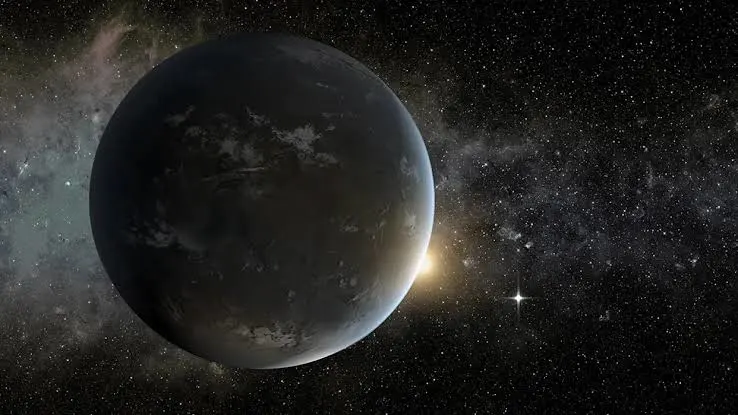
GJ 3378b Habitable Super-Earth: Why This 25 Light-Year Neighbor Just Got a Lot More Interesting
Sometimes a discovery does not start with a bang, it starts with a correction. Scientists look at old numbers again, run them through better tools, and suddenly a planet that looked unremarkable, maybe even hostile, starts looking like something worth genuine excitement. That is exactly what happened with GJ 3378b habitable super-Earth, and honestly, the story of how it got more interesting is almost as compelling as the planet itself.
Twenty five light years away, which sounds impossibly far until you remember our galaxy alone is one hundred thousand light years across, sits a planet astronomers had already noticed. What changed recently is how seriously they are now taking it as a genuine candidate for habitability.
Why This Discovery Actually Matters
Every time astronomers find a planet sitting in what is called the habitable zone, the region around a star where temperatures could allow liquid water to exist, it adds a small but real data point to one of humanity's oldest questions. Are we alone. GJ 3378b matters specifically because it is close, relatively speaking, and because new measurements suggest it might be far more Earth-like than earlier estimates indicated.
For anyone who finds the search for life beyond our solar system genuinely fascinating, this is not just another distant rock. It is a planet astronomers can realistically study in more detail using current and near future telescope technology, which is not true for most exoplanet discoveries.
Read More: Vera C. Rubin Observatory 10-Year Survey Just Started, and It's Basically Filming the Universe Live
What Actually Makes This Super-Earth Different, Explained Simply
Think of it like reweighing a package you thought was heavy, only to discover it is actually about half the mass you assumed. Astronomers at UC Irvine, led by researcher Paul Robertson, revised GJ 3378b's estimated mass down to roughly 2.3 times that of Earth, a significant drop from earlier calculations.
That distinction matters more than it might sound. A heavier version of this planet would likely resemble a small, gas shrouded world, something closer to a mini Neptune, thick atmosphere, crushing pressure, unlikely to support anything resembling familiar life. At this lighter, revised mass, GJ 3378b instead looks more like a genuinely rocky world, similar in category to Earth itself, just larger.
How Scientists Actually Reached This Conclusion, Step by Step
- Researchers gathered updated observational data on GJ 3378b, refining measurements that had previously suggested a heavier, less Earth-like composition.
- The revised calculations placed the planet's mass at approximately 2.3 Earth masses, shifting its likely classification toward a genuinely rocky super-Earth rather than a gas dominated world.
- Scientists confirmed the planet sits within its star's habitable zone, the narrow orbital range where surface temperatures could theoretically support liquid water.
- Further analysis indicated GJ 3378b receives an amount of stellar energy strikingly close to what Earth receives from our own sun, strengthening its case as a genuinely promising candidate.
- The combination of revised mass, habitable zone positioning, and comparable energy levels led researchers to describe it as a notably stronger candidate for habitability than previously assumed.
Read More: Chandrayaan-3 Landing Site Meteorite Match Just Rewrote a Small Piece of Moon History
Real World Context That Makes This Finding Stand Out
GJ 3378b is not the only nearby candidate making headlines this year. Around the same time, astronomers separately identified another promising candidate, GJ 251c, sitting roughly eighteen light years away in the habitable zone of a different red dwarf star, one scientists hope future giant telescopes might eventually image directly.
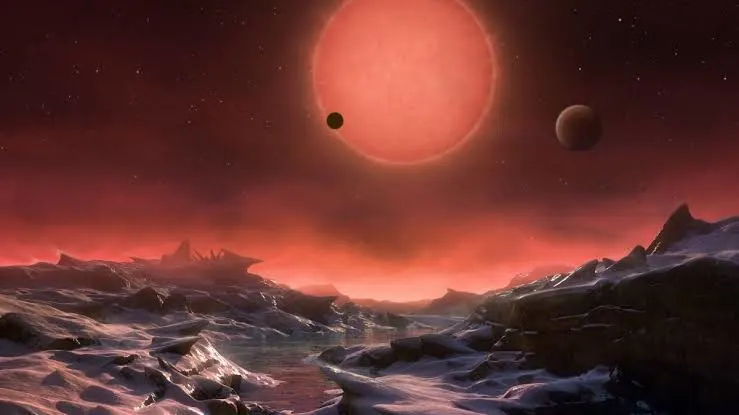
Together, discoveries like these suggest something meaningful, potentially habitable worlds may be considerably more common in our galactic neighborhood than earlier survey data implied, and that pattern alone reshapes how seriously astronomers treat the broader search for life.
Mistakes People Keep Making When Reading Stories Like This
A common mistake is assuming habitable zone automatically means habitable, full stop. Sitting in the right orbital distance is necessary but not sufficient, atmosphere composition, magnetic field strength, and countless other factors determine whether liquid water, let alone life, could actually exist there. GJ 3378b is a strong candidate, not a confirmed one.
Another mistake, an easy one to make honestly, is confusing distance in light years with anything remotely reachable by current technology. Twenty five light years might sound close in cosmic terms, but it remains far beyond any realistic travel distance with existing spacecraft, meaning this discovery is meaningful for observation and study, not imminent exploration.
Pro Tips for Following Exoplanet Discoveries Like This One
Pay close attention to mass revisions specifically when new exoplanet news breaks, since, as this case shows, a single updated measurement can shift a planet's entire classification and habitability outlook. Also, look for follow up studies involving atmospheric analysis, since that data, when eventually available, will matter far more for determining actual habitability than orbital position alone.
Closing Thoughts
There is something quietly humbling about a planet sitting this close, cosmically speaking, and yet still taking years of careful remeasurement before scientists could say anything confident about it. GJ 3378b's story is a reminder that some of the most exciting discoveries in astronomy arrive not through a single dramatic moment, but through patient, repeated correction, until a distant point of light slowly starts looking a little more like home.
Read More: Alpha Box Office Collection: Why Alia Bhatt's Spy Thriller Is Splitting Opinion Right Down the Middle
Disclaimer: This article is based on information available across the web. Parchar Manch does not take responsibility for its complete accuracy, as the content could not be fully verified.
FAQs
How far away is GJ 3378b from Earth?
It is located approximately 25 light-years from our solar system.
Why is GJ 3378b considered potentially habitable?
It sits within its star's habitable zone and receives an amount of stellar energy comparable to what Earth receives from the sun.
What changed in recent research about this planet?
Scientists revised its estimated mass down to about 2.3 times Earth's mass, making it look more like a rocky world than a gas dominated mini Neptune.
Who led the research on GJ 3378b?
Researcher Paul Robertson at UC Irvine led the team behind the updated findings.
Does habitable zone mean the planet definitely has life?
No, sitting in the habitable zone only means conditions could theoretically support liquid water, not that habitability or life is confirmed.
Are there other similar exoplanets recently discovered?
Yes, astronomers separately identified GJ 251c, another promising habitable zone candidate located about 18 light-years away.