Heavy Rain Alert India 2026: Flood Risk, Weather Forecast and State-Wise Updates
The Heavy Rain Alert India 2026 situation remains important as the southwest monsoon continues to bring intense rainfall across several parts of the country. The India Meteorological Department (IMD) has issued state and sub-division level warnings for multiple regions, with heavy rain, thunderstorms and lightning expected in several areas.
On August 7, 2026, IMD warnings include heavy rainfall over Himachal Pradesh and Haryana, Chandigarh and Delhi, while parts of West Madhya Pradesh, Tamil Nadu, Puducherry and Coastal Karnataka are also under rainfall-related warnings.
Heavy Rain Alert India 2026: What Is the Current Situation?
The Heavy Rain Alert India 2026 picture varies significantly from one region to another. While some areas are experiencing widespread monsoon rainfall, others are seeing isolated heavy to very heavy showers.
Mountainous states such as Himachal Pradesh require particular caution because intense rainfall can increase the possibility of landslides, flash floods, road blockages and sudden rises in streams and rivers.
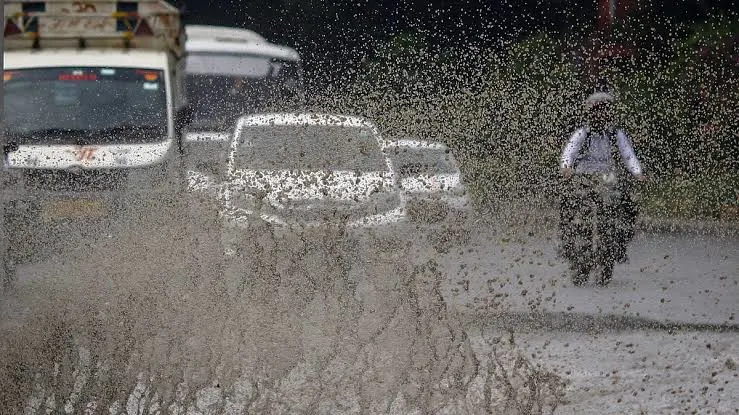
In the plains and urban areas, heavy rainfall can lead to waterlogging, traffic disruption and temporary flooding in low-lying locations.
The IMD regularly updates its sub-division-wise warnings so that state authorities, disaster-management agencies and the public can prepare for changing weather conditions.
State-Wise Weather Updates
Himachal Pradesh
Himachal Pradesh is among the areas facing an active heavy-rain warning. IMD has listed heavy rainfall for August 7 and August 8.
Heavy rain in hilly areas can create additional risks because saturated slopes become vulnerable to landslides and mudslides. Travellers should be particularly careful on mountain roads and near rivers, streams and vulnerable slopes.
Haryana, Chandigarh and Delhi
The IMD has issued a heavy-rain warning for Haryana, Chandigarh and Delhi for August 7. The warning page currently lists no warning for August 8, although weather conditions can change and should be monitored regularly.
For Delhi-NCR and surrounding areas, intense showers can quickly result in waterlogging, especially around underpasses, poorly drained roads and low-lying neighbourhoods.
West Madhya Pradesh
West Madhya Pradesh is also included in the current warning system, with heavy rain, thunderstorms and lightning listed for August 7.
Residents should take precautions during thunderstorms, particularly by avoiding open areas and unnecessary travel during intense weather spells.
Tamil Nadu and Puducherry
Southern parts of the country are also experiencing monsoon-related rainfall activity. IMD has issued a warning for heavy rain, thunderstorms and lightning over Tamil Nadu and Puducherry.
Localised heavy showers can cause temporary waterlogging, particularly in urban areas where drainage systems can become overwhelmed.
Coastal Karnataka
Coastal Karnataka is another region under an active weather warning. The IMD warning for August 7 includes very heavy rain along with thunderstorms, lightning and related weather activity.
People living in vulnerable areas should monitor local advisories and avoid travelling through areas affected by flooding or rapidly rising water.
Why Is Flood Risk Increasing During Heavy Rain?
Heavy rainfall does not automatically mean that a major flood will occur. Flood risk depends on several factors, including rainfall intensity, duration, soil saturation, river levels, drainage capacity and the geography of an area.
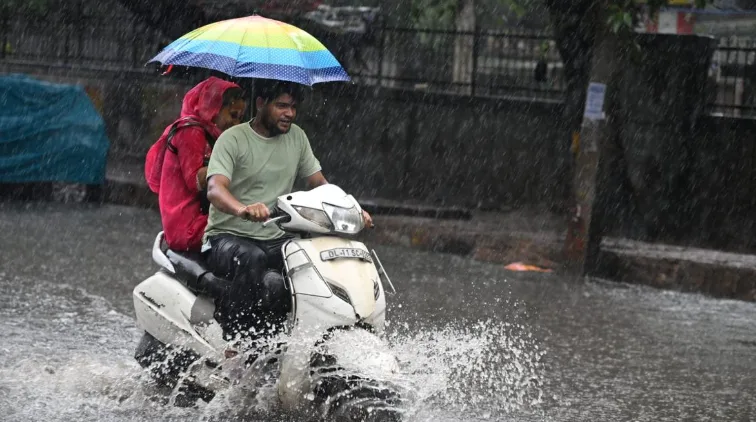
A short period of extremely intense rainfall can sometimes cause flash flooding even when total daily rainfall is not exceptionally high.
Urban areas face a different challenge. Concrete surfaces prevent rainwater from naturally entering the soil, while blocked or overloaded drainage systems can cause water to accumulate quickly.
In hilly regions, heavy rain can also increase the risk of landslides and debris flows.
What Does the Weather Forecast Mean for People?
The most important point for residents is to follow official weather warnings rather than relying only on social media posts.
The IMD provides rainfall forecasts and warning information through its weather services. Its forecasting system also supports flood-management agencies by providing precipitation forecasts for river sub-basins and monitoring rainfall conditions.
People living in areas under heavy-rain warnings should keep checking updates because weather conditions can change rapidly.
What Should You Check Before Travelling?
Before travelling during an active weather warning, check the latest IMD forecast and local administration advisories.
Travellers heading toward hill stations should pay particular attention to road and landslide conditions. People travelling through flood-prone areas should avoid routes where authorities have issued warnings.
Weather apps can provide useful general information, but official warnings should be treated as the primary source during severe weather events.
Heavy Rain Alert India 2026: What Happens Next?
The Heavy Rain Alert India 2026 situation is expected to remain dynamic because monsoon systems can change quickly. Current IMD warnings show that rainfall activity is not limited to one part of the country, with warnings issued across northern, central, southern and coastal regions.
The coming days will be important for monitoring rainfall intensity, river levels and local flood conditions.
For residents, the best approach is preparation rather than panic. Following official warnings, avoiding unnecessary travel during severe weather and staying away from flood-prone areas can significantly reduce risk.
Conclusion
The Heavy Rain Alert India 2026 highlights the continuing impact of the southwest monsoon across different parts of the country. Current IMD warnings cover several regions, including Himachal Pradesh, Haryana, Chandigarh and Delhi, West Madhya Pradesh, Tamil Nadu, Puducherry and Coastal Karnataka.
While heavy rain is an important part of India's monsoon cycle, intense rainfall can create risks such as flooding, waterlogging, landslides and travel disruptions.
Residents should continue monitoring official weather updates and local advisories. With timely information and basic precautions, communities can remain better prepared for changing monsoon conditions.
FAQs
Which states are under heavy rain alert in India in 2026?
Current IMD warnings include several regions such as Himachal Pradesh, Haryana, Chandigarh, Delhi, West Madhya Pradesh, Tamil Nadu, Puducherry and Coastal Karnataka.
Can heavy rain cause floods in India?
Yes. Intense or prolonged rainfall can increase the risk of flash floods, river flooding and urban waterlogging, particularly in low-lying and poorly drained areas.
What should people do during a heavy rain alert?
People should avoid unnecessary travel, stay away from flooded roads and rivers, monitor official weather warnings and follow local administration advisories.
Where can I check the latest India weather forecast?
The India Meteorological Department (IMD) is the primary official source for weather forecasts, rainfall warnings and severe-weather alerts.
Is heavy rain expected to continue across India?
Monsoon conditions can change quickly, and rainfall varies by region. People should check the latest IMD updates for their specific state or district.