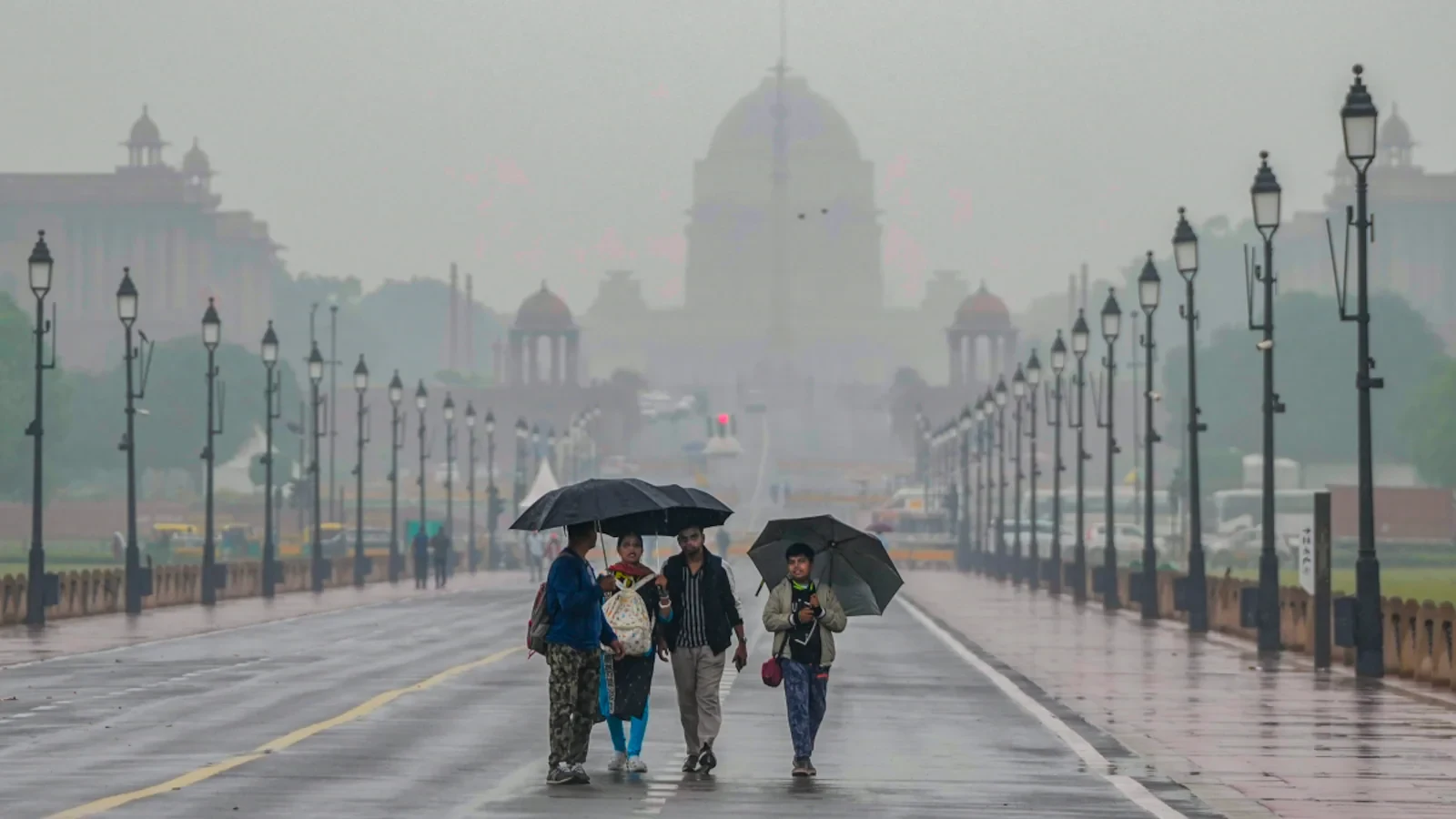
IMD Rain Alert Delhi: Why the Capital Just Got Its Wettest Wake-Up Call in Weeks
Overnight rain, and then Delhi woke up soaked. That's really how it happened. The IMD rain alert Delhi residents have been checking obsessively since Wednesday night isn't some abstract forecast sitting in a government PDF, it's the actual reason your commute got messier this week and your ceiling fan finally got a break from the heat.
The southwest monsoon reached the national capital on July 1, and by Thursday morning, July 2, the skies had, in a sense, fully committed. Rain poured across Delhi, Noida, Ghaziabad, Gurugram and Faridabad. Moderate to heavy showers. A real drop in temperature after what felt like an endless stretch of heatwaves. No, that's not quite right, let me rephrase, it wasn't just a drop, people actually needed a light jacket for the first time in months.
Why This Actually Matters to You
Here's the part that gets skipped in most weather roundups: the Delhi monsoon 2026 arrival isn't just about umbrellas. It's about waterlogged underpasses, delayed flights, and school notices that show up in your inbox at 6 a.m. The India Meteorological Department issued a red alert for heavy rain, and a red alert, for anyone unfamiliar, is IMD's highest warning tier. It means take action, not just take note.
If you commute through Delhi-NCR, plan intercity travel, or simply live in a low-lying neighbourhood, this alert affects your week directly. IMD's sub-division warning for Haryana, Chandigarh and Delhi pointed to thunderstorms and lightning on July 1, followed by heavy rain plus thunderstorms through July 2 to 7. That's not a one-day event. That's a stretch.
Read More: Iran-Israel War LIVE: Middle East Tensions & Global Stability
What the IMD Rain Alert Really Means
Think of IMD's colour-coded system like a traffic light, except it's about rain instead of driving. Green means normal, watch and enjoy. Yellow means be aware. Orange means be prepared. Red means take action, the situation could disrupt daily life.
The IMD heavy rain warning for Delhi this week sits firmly in that red-alert territory for certain days, with isolated heavy rainfall specifically flagged over Haryana, Chandigarh and Delhi during July 1 to 3. Dense cloud cover has spread across the capital, along with parts of central Haryana, Punjab and eastern Rajasthan. If you're a curious friend asking me to explain it simply, I'd say this: the atmosphere over Delhi is currently loaded, like a sponge that's been soaking for days and is now ready to release everything at once.
How the Monsoon Reached Delhi, Step by Step
- The monsoon trough strengthened over the Arabian Sea and Bay of Bengal, pushing moisture-laden winds northward.
- By late June, the southwest monsoon had advanced through Madhya Pradesh, remaining parts of Chhattisgarh, Jharkhand and Bihar, and into parts of Uttar Pradesh and Uttarakhand.
- A fresh western disturbance arrived to affect northwest India starting July 2, colliding with the monsoon's northward push.
- A low-pressure area is expected to develop over the northwest Bay of Bengal around July 3, adding further fuel to the system.
- This combination is what triggered the sharp, sudden Delhi rain alert, rather than a slow, gradual build-up.
Each step here matters because monsoon arrival isn't one clean event, it's layered weather systems stacking on top of each other until the capital gets pulled into an active rain zone.
Read More: Mountain Lions in California Preserve: How One Predator Quietly Rewired an Entire Ecosystem
Real-World Examples of What's Happening on the Ground
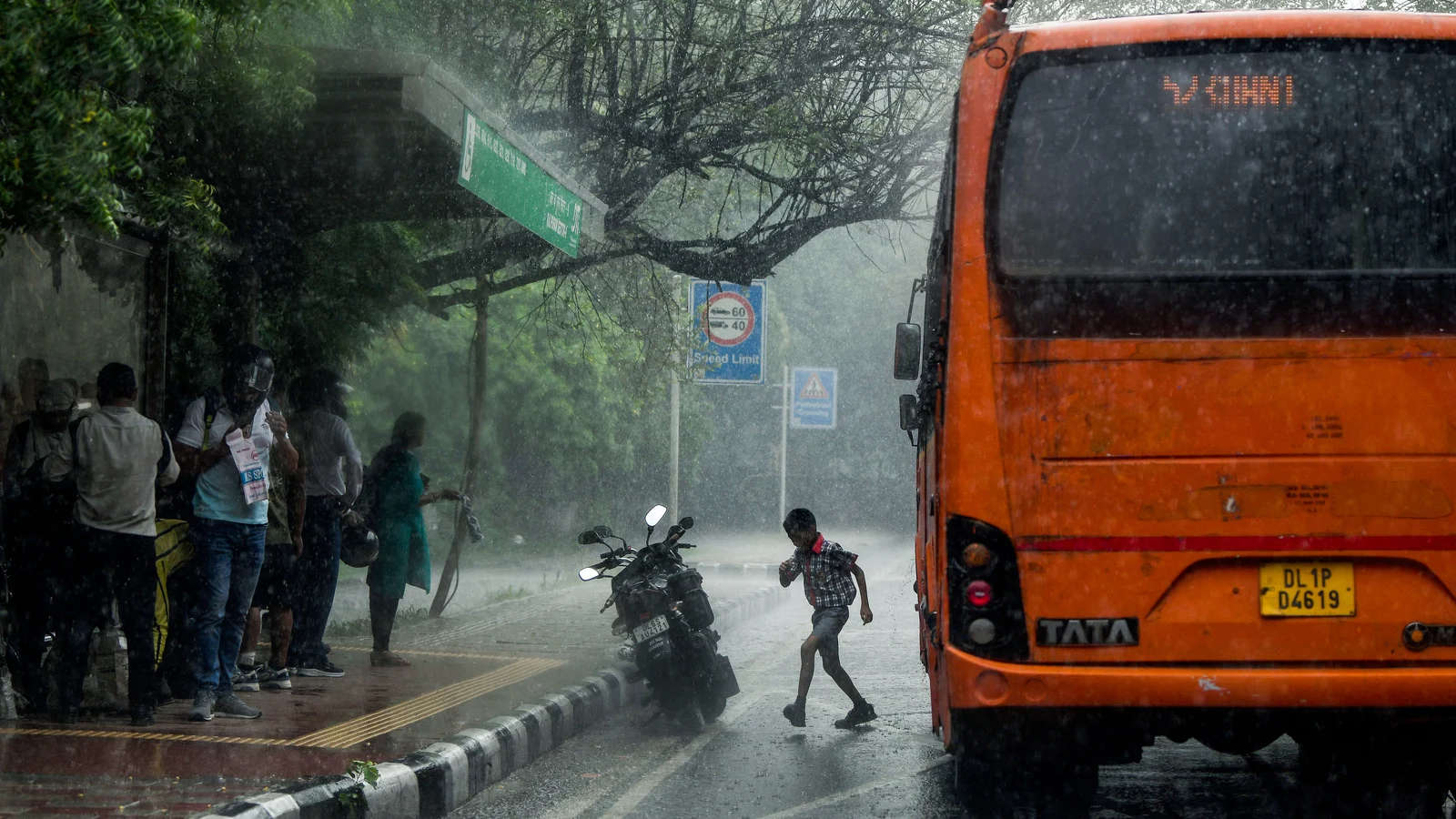
Southwest winds at 15 to 20 km per hour moved across Delhi through the day on July 2, according to IMD's Safdarjung observations. Picture someone driving home from Gurugram during evening rush hour, watching wipers struggle to keep pace, watching the sky go from grey to nearly black in under twenty minutes. That's the texture of this monsoon Delhi update, not statistics on a page but actual disrupted evenings.
Compare this year to past patterns too. According to IMD records, the monsoon reached Delhi on July 2 in both 2016 and 2017, so a July 1 arrival isn't dramatically late. It arrived as early as June 25 in 2020 and 2023. The record latecomer remains July 19, 2002. So this year sits somewhere in the ordinary middle, even though it felt, to anyone stuck in that heat, like it took forever.
Mistakes People Keep Making During Monsoon Alerts
A lot of people treat a rain alert as background noise, something to glance at and forget. That's an easy habit to fall into, genuinely, because alerts get issued so often. But red alerts specifically are rare enough that ignoring them causes real problems, stranded vehicles, missed flights, kids sent to school despite closures. Another mistake, checking the forecast once in the morning and assuming it holds all day. IMD forecasts for active systems like this one get updated multiple times daily, and conditions shift fast when a western disturbance and monsoon trough interact.
Read More: Madhur Virli Rape Joke Controversy: Why India's Stand-Up Comedy Scene Is in Crisis Again
Pro Tips That Actually Help During Delhi's Monsoon Season
Check IMD's Delhi-specific bulletin rather than a generic national app, it's more precise for hyperlocal timing. Keep buffer time built into any commute during active thunderstorm windows, especially between 1 to 7 July when spells are expected daily. And here's something people rarely mention, watch humidity levels alongside rainfall, because Delhi's combination of heat and moisture right before rain often creates the most uncomfortable, and occasionally hazardous, stretch of the day.
Closing Thoughts
There's a strange relief that comes with the first proper monsoon rain after weeks of heat, even amid all the disruption. Delhi will likely stay soggy through the coming week, waterlogging and all, but that's the trade the capital makes every year for relief from the sun. Keep watching the alerts. Not out of anxiety, just out of the quiet, sensible awareness that this city's weather rarely does anything by halves.
Disclaimer: This article is based on information available across the web. Parchar Manch does not take responsibility for its complete accuracy, as the content could not be fully verified.
FAQs
When did the monsoon reach Delhi in 2026?
The southwest monsoon reached Delhi on July 1, 2026, with widespread rain confirmed by the morning of July 2.
What does IMD's red alert for Delhi mean?
A red alert is IMD's highest warning level, indicating heavy to very heavy rainfall likely to disrupt daily life, requiring people to take precautionary action.
How long will the heavy rain in Delhi last?
IMD's forecast points to spells of rain, thunderstorms and lightning continuing across Delhi-NCR from July 2 through at least July 7.
Is this monsoon arrival late compared to previous years?
Not particularly. The monsoon has reached Delhi as late as July 19 in 2002, and as early as June 25 in 2020 and 2023, so this year falls within a fairly normal range.
Which areas near Delhi are affected by this rain alert?
Delhi, Noida, Ghaziabad, Gurugram, Faridabad, along with parts of Haryana, Punjab and eastern Rajasthan, are all under the active monsoon and rain alert zone.
Should I change my travel plans because of the Delhi rain alert?
It's wise to build in extra buffer time for road, rail or flight travel through Delhi-NCR during red-alert days, and to check same-day IMD nowcasts before heading out.