How to Become an IAS Officer: The Complete 2026 Roadmap Nobody Simplifies Enough
In a tiny town today, a 19-year-old is looking at a UPSC toppers list and wonders whether that route is accessible to those who are interested. It is. This is the most honest first step for anyone wondering whether they can become an IAS officer in 2026. Knowing the IAS qualifications in the early stages is where this guide starts, with a step-by-step approach with no gimmicks on motivation.
Why Knowing How To Become An IAS Officer Actually Matters
The IAS isn't only a title for a job; it also has administrative authority over districts as well as people's everyday lives. It is important to know the steps to becoming an IAS officer because the process is lengthy and prone to naivety. A mistake in understanding the IAS eligibility requirements, such as the IAS examination age limits or the UPSC civil service exam format, could cost you a whole year. This is the reason why there is a sense of urgency in ensuring that this is done correctly the first time around.
The Concept Behind How To Become An IAS Officer
Imagine it as running a marathon, where the finish line changes each year depending on the number of runners who are qualified. This is how the UPSC civil service exam structure determines the line to cross. IAS is the highest position you will be able to attain after passing the Civil Services Examination, conducted by the Union Public Service Commission, giving you the responsibility of the administration at district, state or central levels.
Step By Step: How To Become An IAS Officer
The IAS qualifications are the first requirement. You must have Indian citizenship and a bachelor's degree earned from a recognised university in any field and must be within the IAS test age range of 21-32 years for the general category, with exceptions for OBC, SC, ST and other reserved categories. Exams are also capped, which means this isn't something you can do casually.
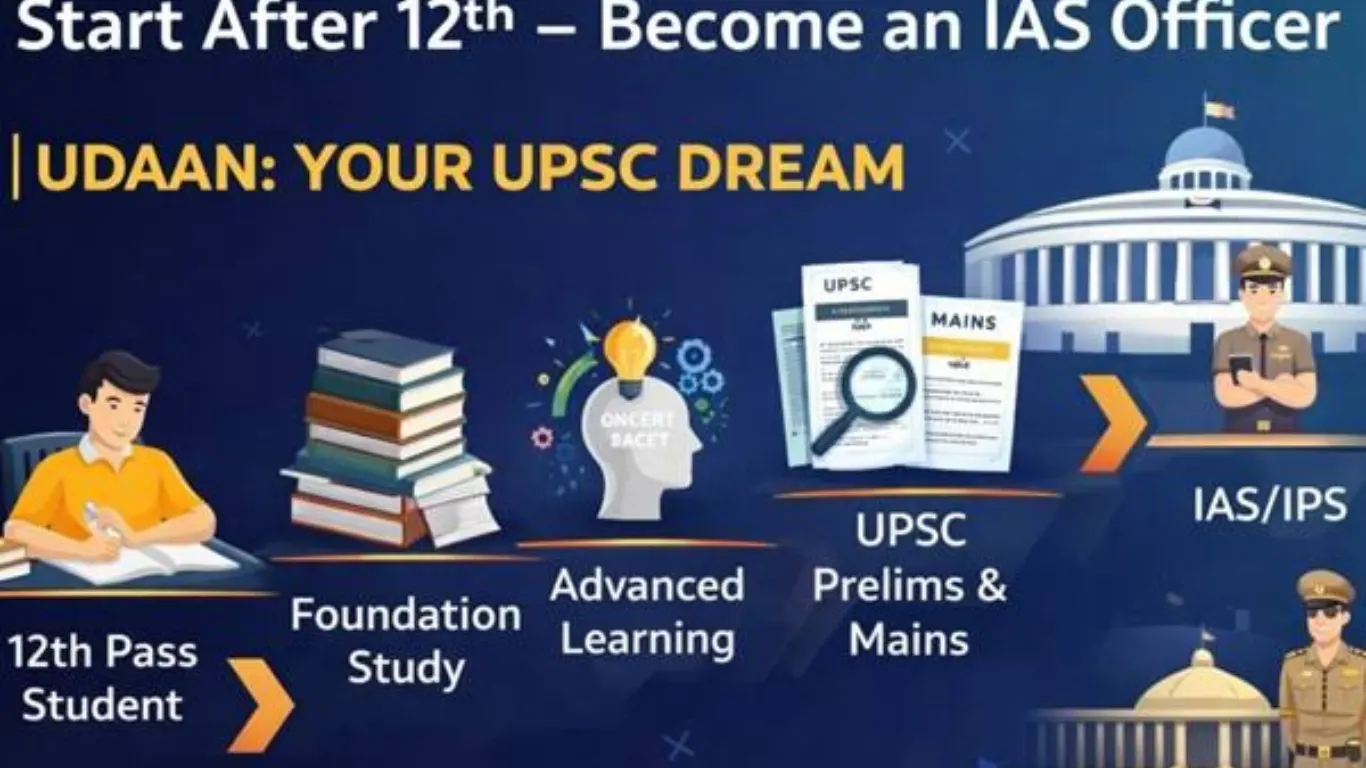
After eligibility has been determined, here's the complete process to follow for becoming an IAS officer. IAS Officer.
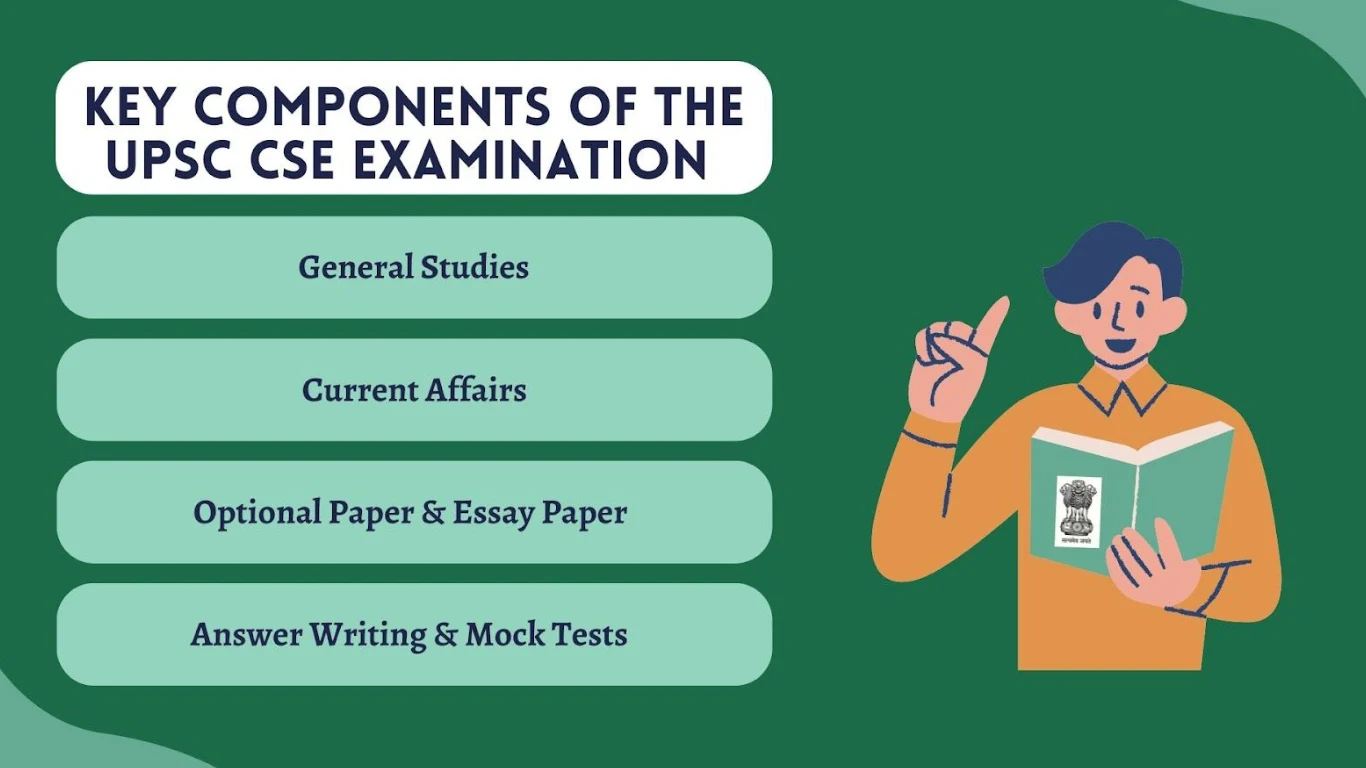
The first is the preliminary test. Two papers are required: General Studies and CSAT, both of which are objective-type. CSAT is only a qualifying test; it requires just thirty-three per cent; however, General Studies decides your rank cutoff. The CSAT is the first test to be taken in your UPSC civil service test design, which will filter lakhs of applicants to the next round.
The second exam is the Mains. Nine essays, mostly descriptive: test essays, ethical reasoning and your choice of subject. This is where an effective UPSC preparation plan differentiates serious candidates from those who are just passing through, as memory stops working in this. Writing practice that is structured before the exam, which can be months, not just months, is the mainstay of any successful UPSC preparation plan.
Third, the last stage is the Interview or Personality Test. It is worth about 275 marks, administered by a committee that is more interested in your ability to think under pressure than in factual information. Confidence in your thoughts is more important than memorising answers. This is the most important part of the civil services exam pattern.
Complete all three requirements, and your final rank determines if you'll be granted IAS, IPS, IFS or another type of service. Knowing the steps to becoming an IAS officer means accepting that the rank is not only about being qualified, but also about deciding your status.
Read more: How Political Power Shifts 2026 Affect Policies, Governance, and Public Decisions
Real World Examples That Make How To Become An IAS Officer Click
Take two candidates. One of them spends a whole year memorising static data without ever touching the previous paper. A different one studies less, but develops a solid UPSC preparation plan that is built around answers and self-assessment every week. The second person almost always is ranked higher because the test rewards the application of knowledge, not memory.
Mistakes People Keep Making About How To Become An IAS Officer
The majority of aspirants wait to start writing the Mains-level answers until Prelims results are available. This is too late, in fact. The time gap between Prelims and Mains is only two or three months. Not enough time to establish a routine from scratch. Another issue is ignoring UPSC civil service exam format modifications announced nearly every year, only to be confused in the exam hall.
There's also a less obvious error, which is to treat the IAS eligibility requirements, as well as those who are eligible for the IAS test age limitation, as formalities rather than looking up the category-wise relaxations before putting time and effort into preparation.
Pro Tips For How To Become An IAS Officer, Faster
Start reading one newspaper each day beginning in year 1, not only during revisions. Write a minimum of two or three responses each day well in advance of when Mains is due. Review static questions 5 times, making shorter notes every time. Do not rely on every news source you can find. Pick two reliable sources which will help you sharpen your UPSC strategy.
Closing Thoughts
Understanding the steps to becoming an IAS officer on paper is a breeze. The syllabus is available, and the pattern is published each year. The most difficult part is the quiet, routine practice of attending for a period of time. The thing is, there's nothing you will ever give up.
Read more: How Policy Analysis 2026 Guides Investors, Citizens, and Policymakers

FAQs
Are there minimum requirements for becoming an IAS agent?
Under the IAS eligibility requirements, a bachelor's degree in any discipline from an accredited university is enough, and there is no limitation on the stream.
What is the IAS test age requirement for candidates in the general category?
The IAS exam age limit is twenty-one to thirty-two years old, and there is an exception for reserved categories.
How many times can I attempt the exam in the UPSC civil service exam format?
Under the IAS eligibility requirements, six attempts are allowed to general category candidates, and more than that for OBC and unlimited attempts to the IAS age limit for the exam applicable to SC as well as ST candidates.
Is coaching required for understanding the steps to becoming an IAS officer?
IAS official? No, many applicants can get through it with self-study using publications, books, and newspapers as well as written exercises.
The most difficult phase of the entire process?
? Most aspirants find Mains the most difficult, as it requires a sustained narrative in nine different papers spread over several days.
Do you think a UPSC strategy for preparation really matters more than effort?
Yes, a concentrated UPSC preparation plan is geared towards answer writing and revision instead of scattered reading, and this alone can alter outcomes on the path to becoming an IAS officer. IAS officer.